



News
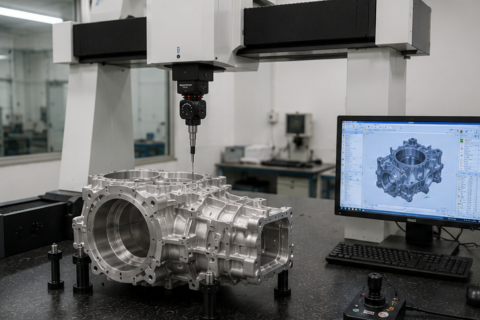
EV motor housing inspection requires accurate measurement of bores, bearing seats, end faces, mounting holes, sealing surfaces, cooling interfaces, datum planes, and GD&T relationships. A suitable coordinate measuring machine should combine the right measuring range, stable accuracy, proper probe package, repeatable fixture design, GD&T software, calibration support, and reporting workflow. By providing drawings, CAD files, tolerance requirements, measured features, and production needs before quotation, buyers can receive a more suitable CMM recommendation for EV motor housing inspection.
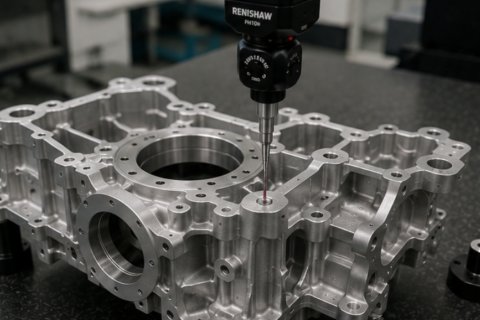
A CMM machine can help aluminum die casting factories improve quality control from sample approval to batch production and final shipment. The right solution should combine suitable measuring range, stable machine accuracy, proper probe system, repeatable fixture design, GD&T software, automatic reports, calibration support, and training. By providing drawings, CAD files, tolerance requirements, measured features, and production workflow before quotation, buyers can receive a more accurate CMM recommendation for aluminum die casting factory quality control.
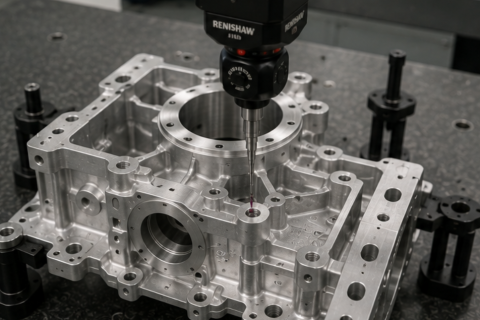
A bridge CMM with Renishaw probe package should be evaluated as a complete inspection system. Buyers should confirm probe head, probe body, stylus kit, extension bars, calibration sphere, probe changer, scanning option, software compatibility, calibration support, training, and after-sales service before purchase. The right package should match the buyer’s part geometry, tolerance level, measured features, fixture strategy, and reporting workflow. By providing drawings, CAD files, tolerance data, and inspection requirements before quotation, buyers can receive a more accurate CMM recommendation and avoid hidden costs.
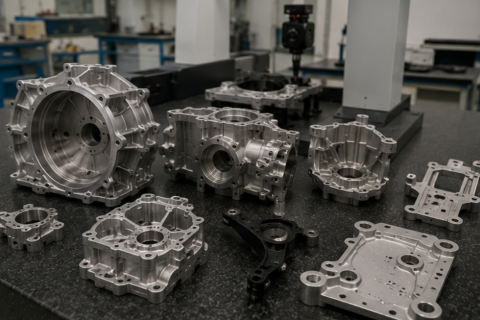
Automotive component inspection requires reliable dimensional measurement, stable reports, and repeatable quality control. A suitable coordinate measuring machine manufacturer should help buyers evaluate part size, tolerance requirements, measured features, probe access, fixture support, software reporting, calibration, installation, and after-sales service. By providing drawings, CAD files, GD&T requirements, and inspection workflow before quotation, buyers can receive a more accurate CMM recommendation for automotive component inspection and reduce purchasing risk.
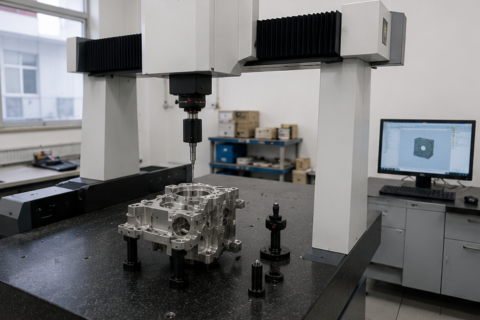
A bridge CMM supplier for CNC machining factories should provide more than a standard machine quotation. Buyers should evaluate the supplier’s ability to recommend the correct measuring range, accuracy, probe system, fixture support, software functions, calibration, installation guidance, training, and after-sales service. By providing drawings, CAD files, tolerance data, measured features, and production requirements before quotation, CNC machining factories can receive a more suitable bridge CMM solution and build a more reliable inspection workflow.
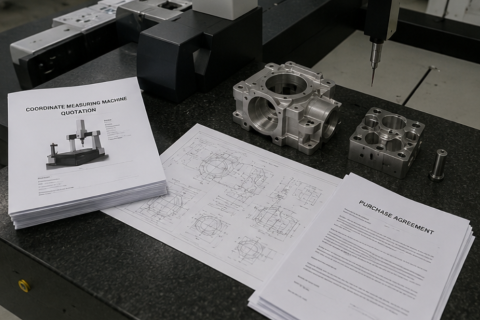
Before paying a deposit to a CMM supplier, buyers should carefully confirm machine configuration, measuring range, accuracy, probe package, software functions, fixture scope, calibration, documents, export packaging, installation support, training, warranty and service response. A coordinate measuring machine should be purchased as a complete inspection solution, not only a machine body. By checking all key items before deposit, buyers can avoid hidden costs, reduce delivery risk and make sure the CMM can support real inspection work after installation.
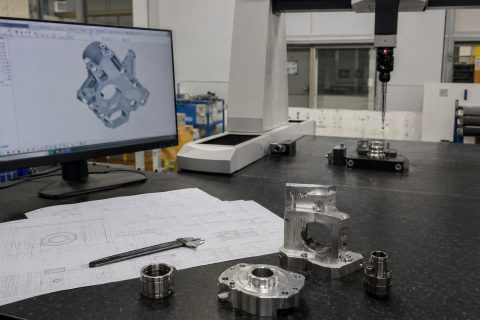
A coordinate measuring machine RFQ should clearly explain the buyer’s parts, tolerances, measured features, inspection workflow, software needs, fixture expectations, installation conditions and service requirements. The more complete the RFQ is, the more accurate the supplier’s recommendation will be. Instead of asking only for a machine price, industrial buyers should treat the CMM as a complete inspection system. By preparing drawings, CAD files, tolerance data and application details before requesting a quotation, buyers can avoid hidden costs and choose a CMM solution that fits real production inspection needs.
Precision Measurement Instrument Trends: Practical Buying Points for 2026 Projects: SEO/GEO buyer guide with quick answer, RFQ checklist, FAQ, two body images, internal product links and conversion CTA.

What Buyers Should Confirm Before Ordering 3D Metrology Solution: SEO/GEO buyer guide with quick answer, RFQ checklist, FAQ, two body images, internal product links and conversion CTA.
Coordinate Measuring Arm Supplier Evaluation Guide for Overseas Buyers: SEO/GEO buyer guide with quick answer, RFQ checklist, FAQ, two body images, internal product links and conversion CTA.