


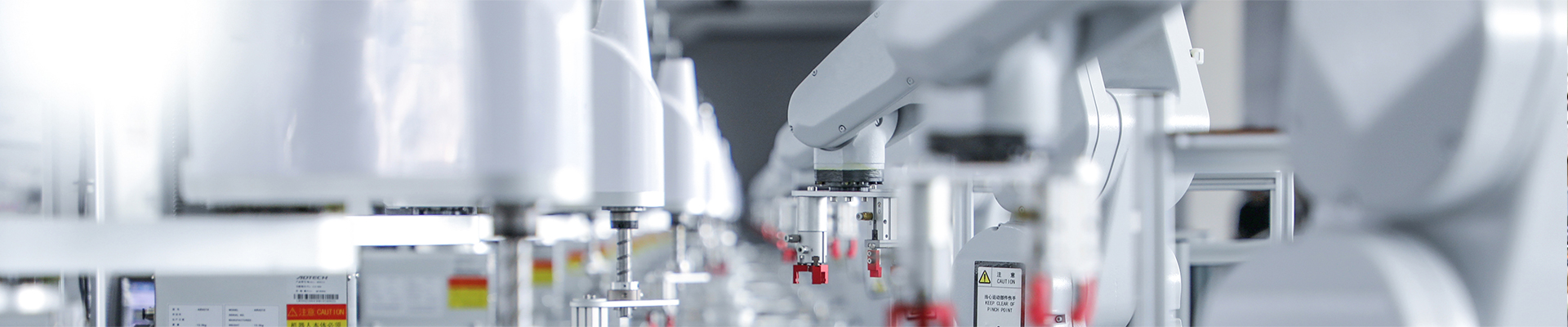
What Determines Long-Term Reliability In Precision Control, Measurement, And Machining Systems
2026-04-26 14:39Long-term reliability is what separates a good-looking investment from a truly dependable production system. For a mixed portfolio like InnoVaMeld’s, that reliability question applies across control devices, probes, measuring systems, and machining equipment. Buyers should not treat reliability as a single hardware issue. It is a combination of stable measurement, protected tooling, process monitoring, and maintainability over time.
Reliable Measurement Starts With Stable, Repeatable Sensing
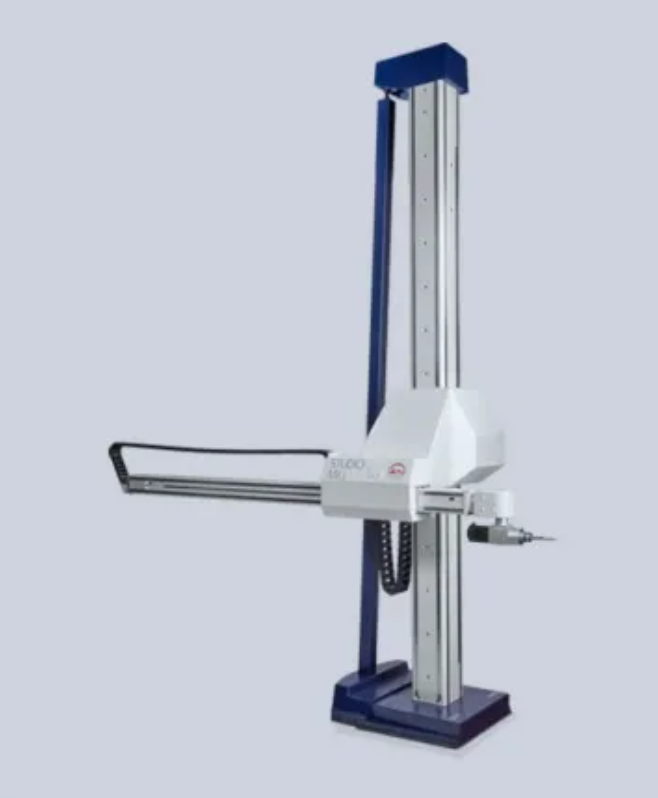
ZEISS positions high-accuracy CMMs around maximum precision, while Hexagon’s accuracy resources emphasise repeatability as a practical check of real measurement performance. BLUM also highlights in-process reliability and early detection of errors on tools and workpieces. In procurement terms, long-term reliability starts with whether the system keeps measuring the same way day after day, not just whether it reached one good result during a demonstration.
Tool And Process Monitoring Protect Reliability More Than Many Buyers Expect
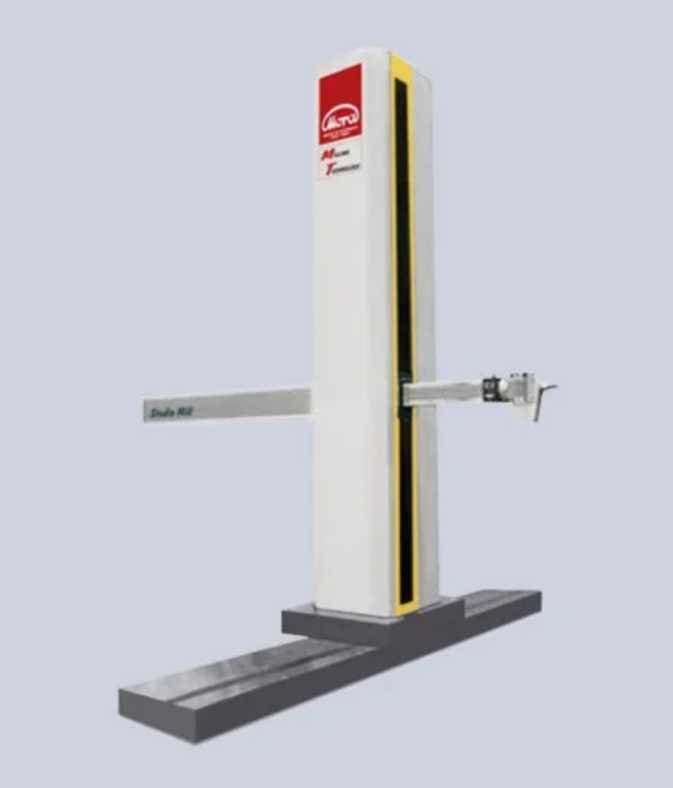
BLUM’s tool-setting materials describe wear monitoring, breakage detection, and thermal compensation as part of the in-machine measurement function, and its broader materials emphasise reliable monitoring of the cutting process. Those functions are directly linked to long-term reliability because many production failures start as unnoticed tool wear, thermal drift, or broken tools rather than major machine faults. Buyers comparing systems should therefore ask how quickly abnormal conditions can be detected and corrected.
Maintainability And Diagnostics Decide Whether Reliability Lasts
FANUC’s ROBODRILL materials repeatedly stress preventive maintenance, on-board monitoring, diagnostics, and support for maximising uptime. That is a useful model for buyers comparing broader industrial systems as well. A precise system that is difficult to maintain will not stay reliable for long. A slightly less glamorous system with strong diagnostics, easy maintenance planning, and faster recovery often delivers much more stable production over years.
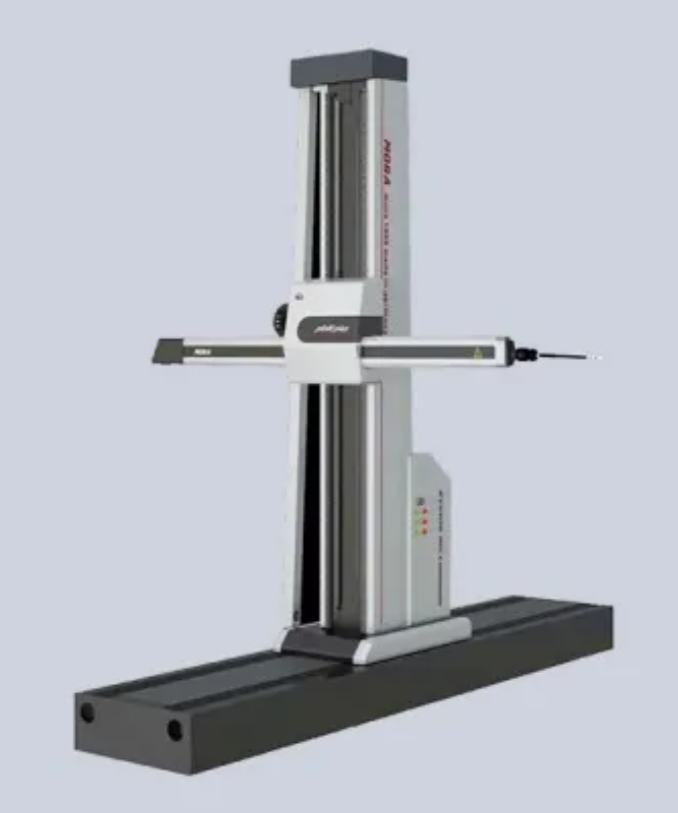
Long-term reliability comes from repeatable sensing, protected cutting processes, and maintainable equipment. Buyers should therefore evaluate not only how accurate a system is today, but also how well it can stay accurate, stay monitored, and stay serviceable over time.