


How To Reduce Setup Errors And Inspection Delays Across Modern Machining And Measuring Processes
2026-04-25 14:37Setup errors and inspection delays are among the most expensive hidden costs in precision manufacturing. They slow machine utilization, delay first-off approval, and create uncertainty before production even begins. For a product structure like InnoVaMeld’s, where probes, tool setters, CMMs, and measurement software are all visible categories, the better content angle is not “which product is best,” but “which combination reduces setup and verification risk fastest.”
Replace Manual Setup Wherever Possible
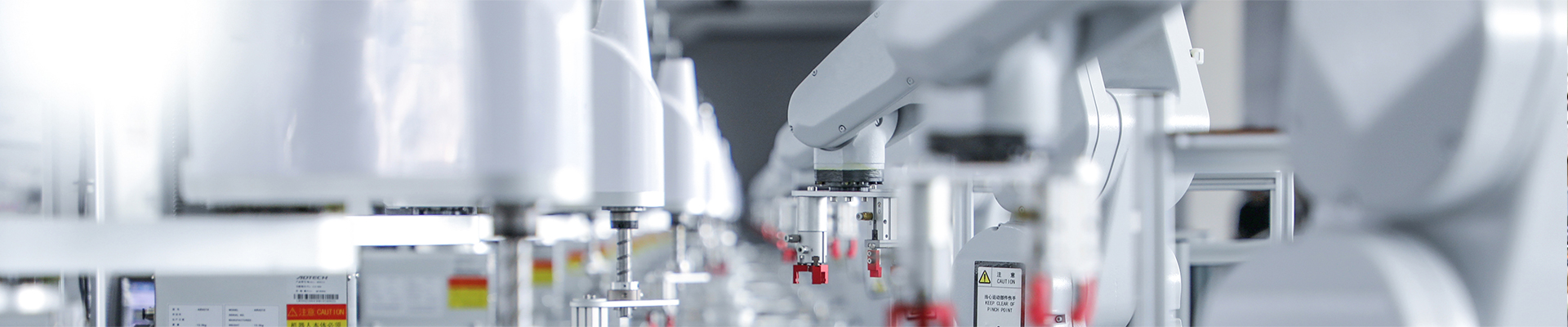
Renishaw states that automated setting using probing can be up to ten times quicker than manual methods and that manual setup and inspection are prone to operator errors. Haas’ WIPS materials similarly emphasise quickly defining work offsets, setting tool length offsets, and guiding operators through setup using templates. This is the most direct way to reduce setup errors: remove as many manual calculations and manual touch-offs as possible.
Bring Inspection Closer To The Machine
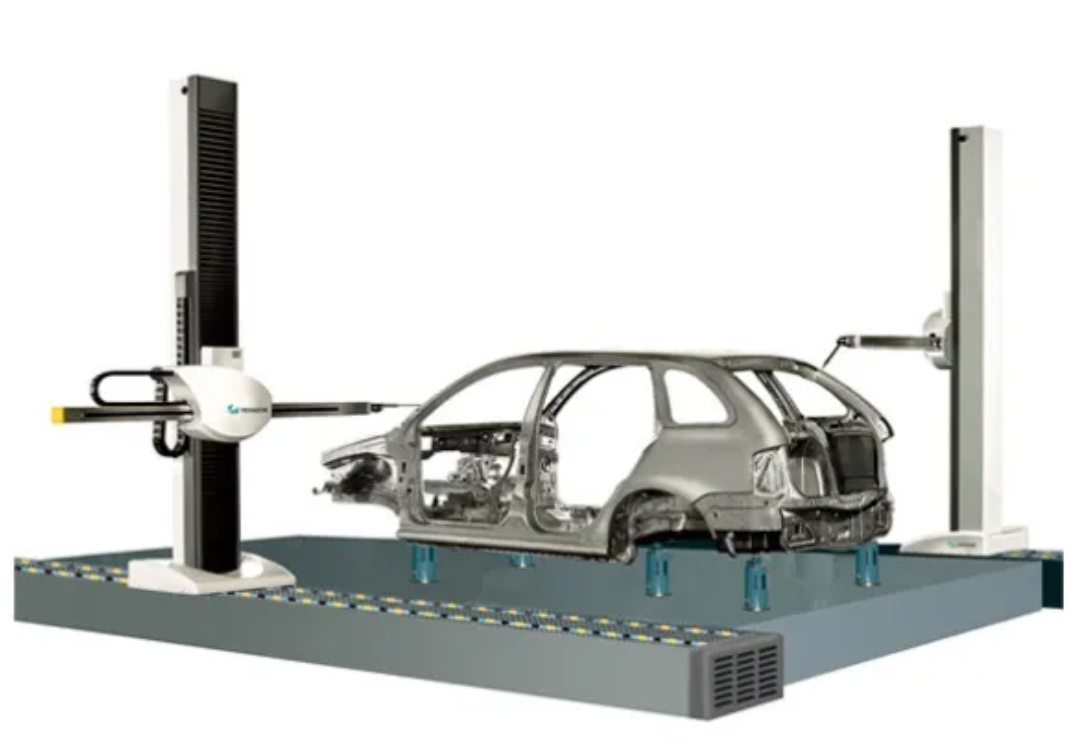
BLUM’s process-integrated measurement materials emphasise measuring directly in the machine and in the original setup, replacing time-consuming intermediate steps and enabling correction without removing the part. That is important because many inspection delays are not caused by measurement itself, but by part movement, re-clamping, and queue time between machine and inspection room. Buyers should therefore compare how much inspection can be done before the part leaves the machining context.
Use Reporting And Repeatability To Shorten Approval Cycles
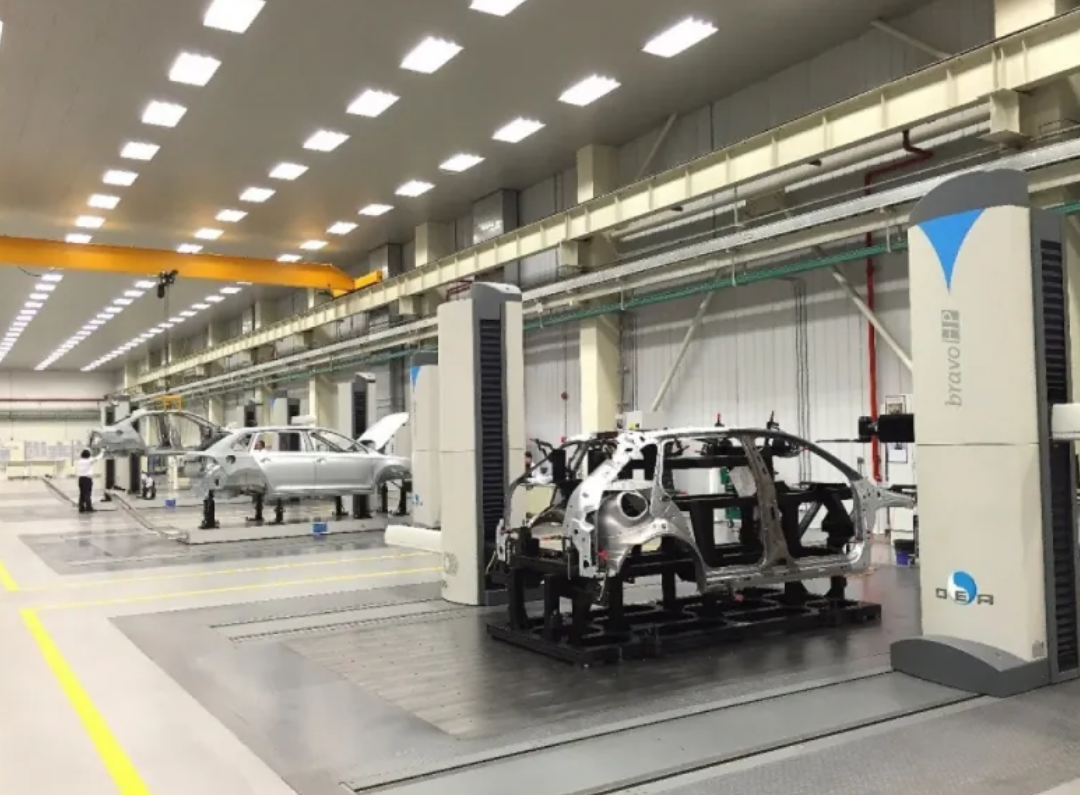
Renishaw’s inspection and reporting software and Hexagon’s CMM execution tools both show that modern measurement systems are not only about collecting points; they are also about fast execution and clear reporting. ZEISS also highlights repeatable automated metrology as a way to reduce cycle time. For buyers, that means setup and inspection delays can be reduced not only by faster probing, but also by faster decisions. If the result is easier to review and trust, approval happens sooner.
To reduce setup errors and inspection delays, buyers should automate setup, move measurement closer to machining, and improve reporting speed at the same time. The best investment is the one that reduces manual touches, unnecessary movement, and slow decision-making.