


Why System Compatibility Matters More Than Single-Product Performance In Industrial Equipment Purchasing
2026-04-24 14:34A single product can perform well and still fail inside the buyer’s real production environment. That is why system compatibility often matters more than single-product performance. This is particularly true in a mixed product portfolio like InnoVaMeld’s, where control devices, probes, CMMs, software, and machine tools appear side by side. In such cases, the risk is rarely that one item is “bad.” The risk is that the products do not communicate, fit, or scale together.
Controller And Machine Compatibility Decide How Fast A System Starts Working
Renishaw’s Set and Inspect materials show the same probing concept adapted to Fanuc, Okuma, Mazak, Mitsubishi, and other controls, while its broader probe software materials cover tool setting, setup, inspection, verification, and reporting. That is a strong reminder that buyers should not ask only “How accurate is this probe?” They should also ask “Will this probe and software work cleanly with my control architecture?” A strong product becomes weak very quickly if daily use depends on awkward interfaces or workarounds.

Software Compatibility Protects Future Flexibility
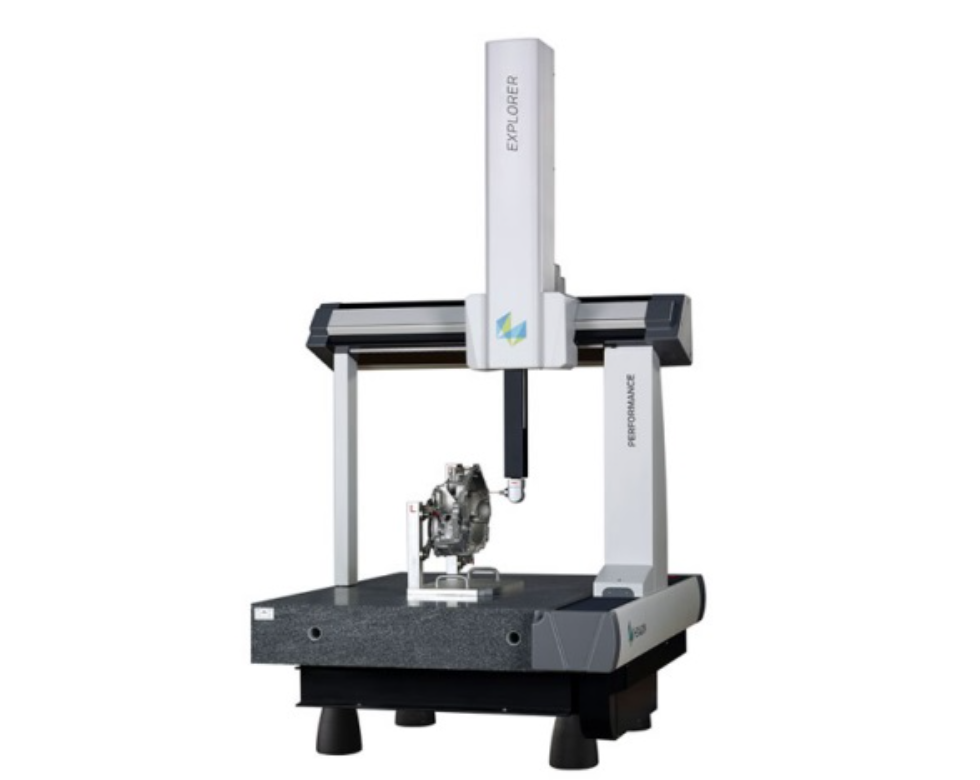
Hexagon’s PC-DMIS materials note that the software is available not only across Hexagon devices but also as a retrofit package for many non-Hexagon measuring systems, while its other software products emphasize CAD-based automation and easy operator execution. That matters because software compatibility protects future flexibility. Buyers who choose a closed or isolated software path may later find that adding a new CMM, probe, or reporting requirement becomes far more expensive than expected.
Automation Compatibility Is What Turns Devices Into A Workflow
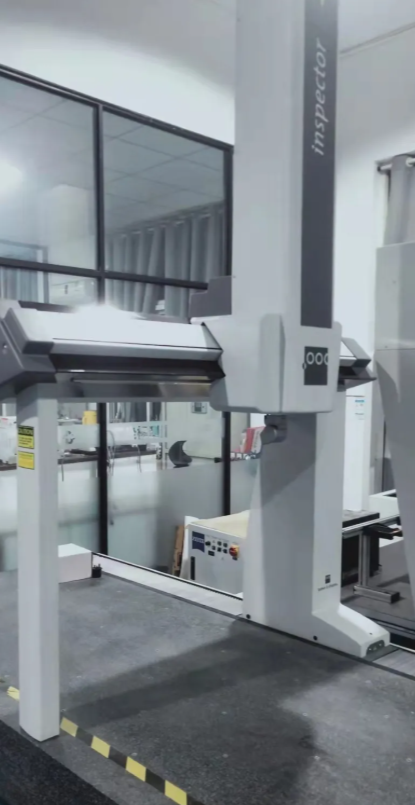
ZEISS’ automation materials emphasize simple interfaces, intuitive operation, and integration from accessories to fully automated cells. Hexagon’s I/O Flow Manager also focuses on integrating quality assurance directly into a production cell. Buyers should take that seriously: true compatibility means a device can become part of a workflow, not merely a standalone station. That distinction matters far more in production than a small advantage in one isolated performance metric
System compatibility matters more than single-product performance because production success depends on connection, not isolation. The strongest purchase is usually the system that fits current controllers, supports future software growth, and integrates smoothly into the production cell.