



News
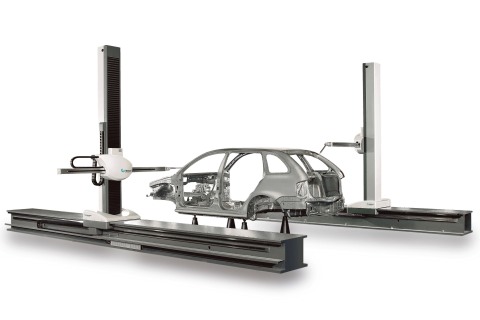
Coordinate Measuring Arm buyer guide with RFQ checklist, installation risk points, supplier comparison, internal product links, FAQ and project inquiry.
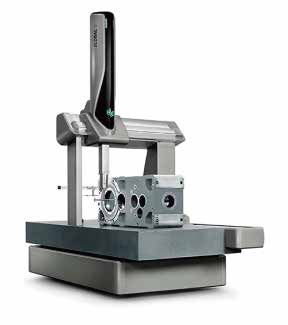
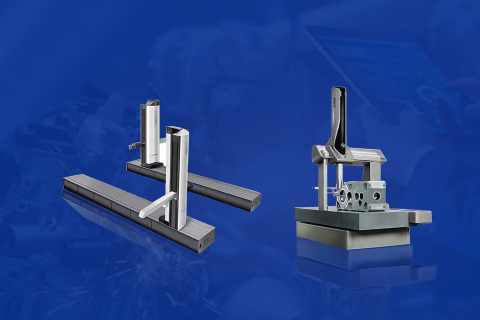
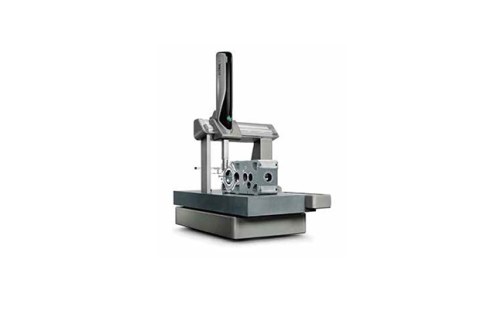
Coordinate Measuring Machine buyer guide with RFQ checklist, installation risk points, supplier comparison, internal product links, FAQ and project.
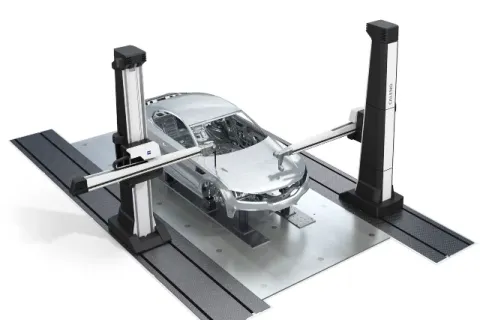
Used Products buyer guide with RFQ checklist, installation risk points, supplier comparison, internal product links, FAQ and project inquiry CTA.
Control Box buyer guide with RFQ checklist, installation risk points, supplier comparison, internal product links, FAQ and project inquiry CTA.
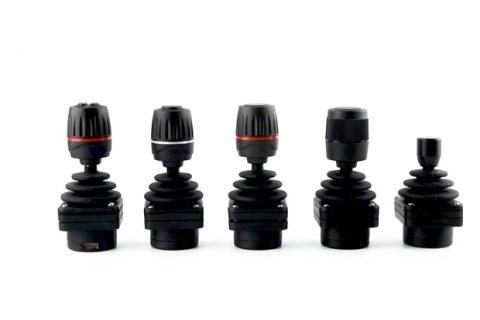
Joystick buyer guide with RFQ checklist, installation risk points, supplier comparison, internal product links, FAQ and project inquiry CTA.
Precision Measurement Instrument Trends: Practical Buying Points for 2026 Projects: SEO/GEO buyer guide with quick answer, RFQ checklist, FAQ, two body images, internal product links and conversion CTA.

What Buyers Should Confirm Before Ordering 3D Metrology Solution: SEO/GEO buyer guide with quick answer, RFQ checklist, FAQ, two body images, internal product links and conversion CTA.
Coordinate Measuring Arm Supplier Evaluation Guide for Overseas Buyers: SEO/GEO buyer guide with quick answer, RFQ checklist, FAQ, two body images, internal product links and conversion CTA.
Control Box Application Checklist: Specifications, Documents and Lead Time: SEO/GEO buyer guide with quick answer, RFQ checklist, FAQ, two body images, internal product links and conversion CTA.

How to Choose Joystick for International Procurement: SEO/GEO buyer guide with quick answer, RFQ checklist, FAQ, two body images, internal product links and conversion CTA.
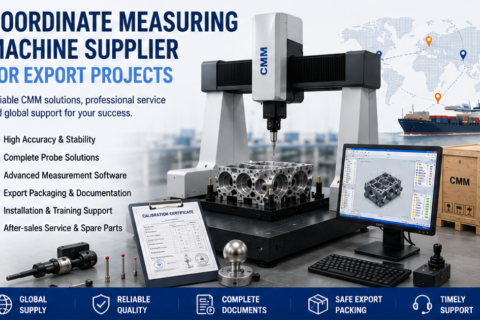
Selecting a coordinate measuring machine supplier for export projects requires careful comparison of technical configuration, export packaging, documentation, installation support, calibration, training, warranty, and after-sales service. Overseas buyers should not compare only the machine price. A suitable supplier should understand the buyer’s parts, tolerances, inspection workflow, destination country requirements, and long-term service needs. By providing complete application information before quotation, buyers can receive a more accurate CMM solution and reduce export project risk.
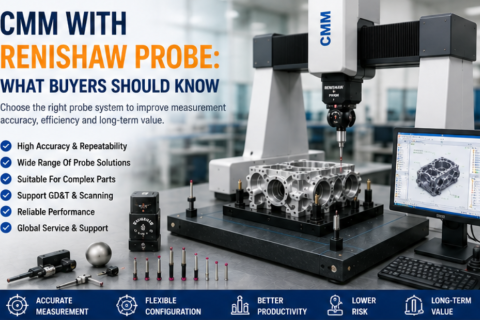
A CMM with Renishaw probe can provide strong inspection capability when the probe system is correctly matched with the buyer’s parts, tolerances, software, fixtures, and production workflow. Buyers should confirm the probe type, probe head, stylus configuration, scanning requirement, software support, calibration method, accessories, and after-sales service before purchase. By providing drawings, CAD files, measured features, and reporting requirements before quotation, buyers can receive a more suitable CMM configuration and reduce procurement risk.