


News
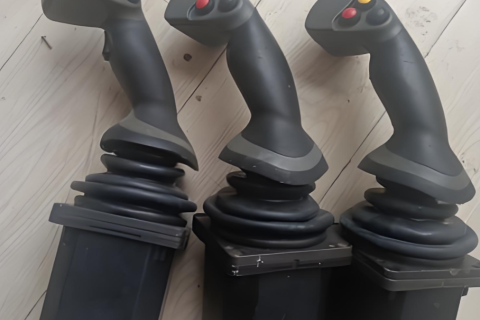
In conclusion, the comparison between joystick controllers and traditional control panels reveals a clear evolution in human-machine interface design. While traditional panels have their place for simple, discrete commands, joystick controllers offer a superior solution for tasks requiring precise, multi-axis motion control. By providing an intuitive, ergonomic, and efficient interface, they directly enhance productivity, reduce operator fatigue, and improve safety. The future of industrial control lies in integrated solutions that leverage the strengths of both paradigms, offering a tailored experience that maximizes the potential of both the operator and the machinery.
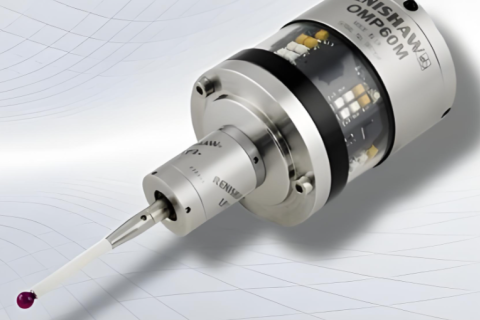
In conclusion, the debate between optical and tactile probes is not about finding a superior technology, but about selecting the right tool for the specific measurement task. Tactile probes remain the gold standard for high-precision geometric feature measurement, while optical probes offer unparalleled speed and detail for complex surface capture. The ultimate solution for comprehensive quality control lies in their strategic integration on multi-sensor CMMs. By understanding the distinct advantages of each, manufacturers can develop optimized inspection protocols that ensure both the meticulous verification of critical dimensions and the complete capture of complex forms, driving quality and efficiency in modern manufacturing.
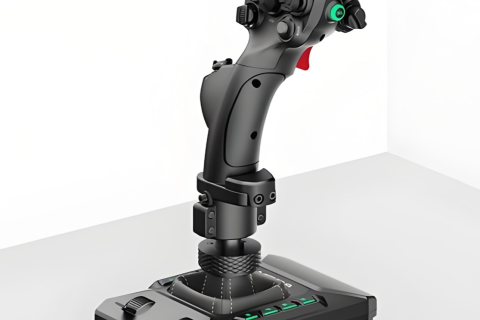
In conclusion, the ergonomics of an industrial joystick are a critical engineering discipline with far-reaching consequences. It is the crucial link between the human operator and the machine, directly influencing fatigue levels, control accuracy, and situational awareness. By prioritizing ergonomic design—focusing on comfort, intuitive feedback, and reduced physical strain—companies can unlock significant gains in operator productivity, workplace safety, and overall manufacturing efficiency. In the demanding world of industrial automation, a well-designed joystick is not merely a control device; it is a vital tool for empowering operators and optimizing entire production systems.
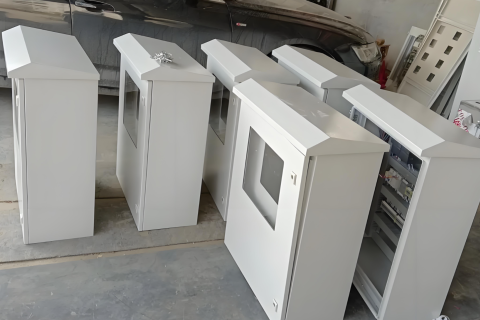
In conclusion, customizable control boxes represent a strategic investment in optimizing human-machine interaction for complex machinery. They move beyond the limitations of generic interfaces by offering a purpose-built solution that enhances operational efficiency, reduces errors, and fortifies safety. By integrating high-quality components like precision joysticks with application-specific buttons and indicators into a rugged, ergonomic enclosure, companies like Innovameld empower manufacturers to unlock the full potential of their equipment. This tailored approach ensures that the control interface becomes a seamless extension of the operator's intent, driving productivity and precision on the factory floor.
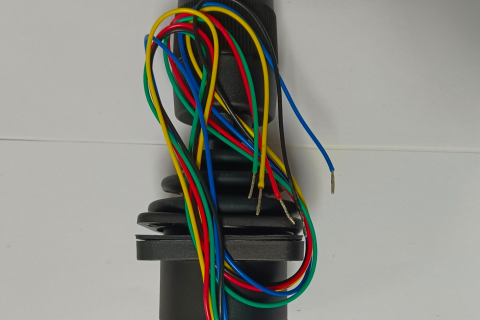
In summary, the high-speed response of HC's joystick controllers is not an isolated feature but the result of a holistic engineering philosophy. It is achieved through the synergistic integration of non-contact sensing technology, intelligent signal processing, ergonomic mechanical design, and robust system integration capabilities. This meticulous attention to detail at every stage—from the initial sensor signal to the final machine action—ensures that these controllers provide unparalleled control, durability, and adaptability. By perfecting the interface between human operators and complex machinery, HC's engineering empowers industries to achieve new levels of productivity, precision, and safety.
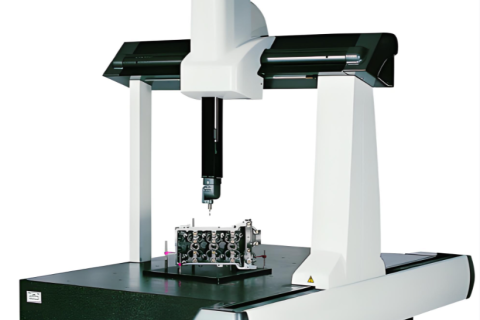
In conclusion, there is no universal "best" choice between cantilever and gantry-type CMMs in the DHA series; rather, there is an optimal match for a specific measurement mission. The cantilever design offers superior accessibility and flexibility for large, complex parts, prioritizing throughput and ease of use. The gantry design delivers maximum rigidity and accuracy for high-precision, high-speed applications, ensuring long-term reliability and the lowest possible measurement uncertainty. Understanding these performance characteristics allows manufacturers to select the ideal CMM architecture—whether it's the open flexibility of the cantilever or the unwavering precision of the gantry—to maximize efficiency, quality, and ROI in their specific metrology processes.
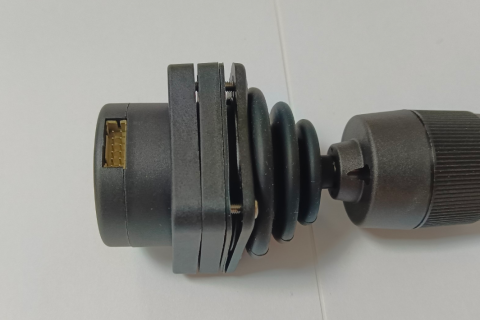
In conclusion, Hall Effect joysticks are not merely an incremental improvement but a fundamental technological upgrade for harsh industrial environments. By replacing failure-prone physical contacts with robust, non-contact magnetic sensing and sealed construction, they deliver unparalleled durability and reliability. This makes them a strategic investment for any business seeking to maximize uptime, ensure consistent control accuracy, and reduce the total cost of ownership in their automation and control systems.
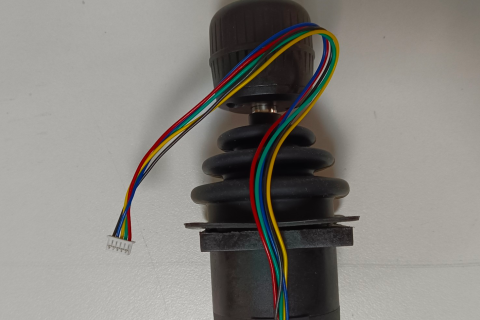
In conclusion, modern industrial joystick controllers are far more than simple levers; they are sophisticated, ergonomic, and intelligent interfaces that form a critical link between human operators and automated machinery. By enhancing precision, ensuring reliability in harsh conditions, and enabling deep system integration and customization, they play a vital role in boosting productivity, operational safety, and the overall efficiency of industrial automation processes. As automation continues to evolve, the joystick remains an indispensable tool for perfecting motion control.
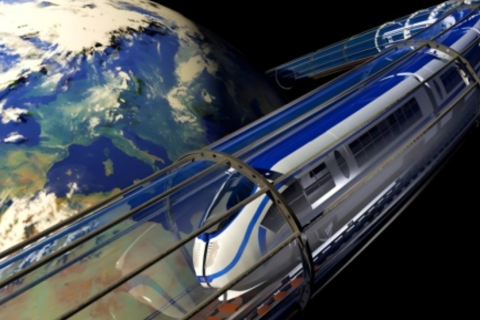
In conclusion, 3D metrology is far more than a tool for simple measurement; it is the indispensable cornerstone of zero-defect manufacturing in the aerospace industry. By ensuring part integrity from the outset, enabling proactive process control throughout production, and providing the digital backbone for full traceability and compliance, advanced metrology solutions from providers like Innovameld empower aerospace manufacturers to achieve unprecedented levels of quality, safety, and operational efficiency, turning the ambitious goal of zero defects into a tangible reality.
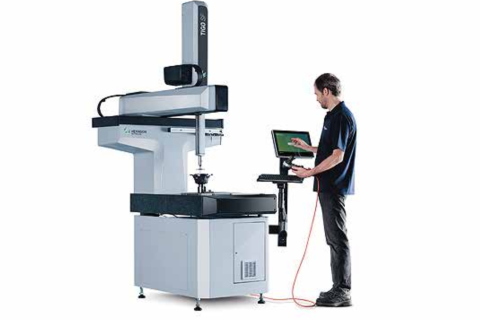
In conclusion, advanced CMM technology is fundamentally reshaping automotive quality control from a cost center into a value creator. By providing predictive insights, verifying groundbreaking designs, and serving as the data backbone for smart factories, precision measurement is now a strategic imperative. It empowers automotive manufacturers to achieve unparalleled levels of quality, efficiency, and agility in an increasingly competitive and complex industry, turning dimensional accuracy into a core competitive advantage.