

Joystick Controller vs. Traditional Control Panels
2026-01-25 12:42Joystick Controller vs. Traditional Control Panels
Intuitive Motion Control vs. Discrete Command Input
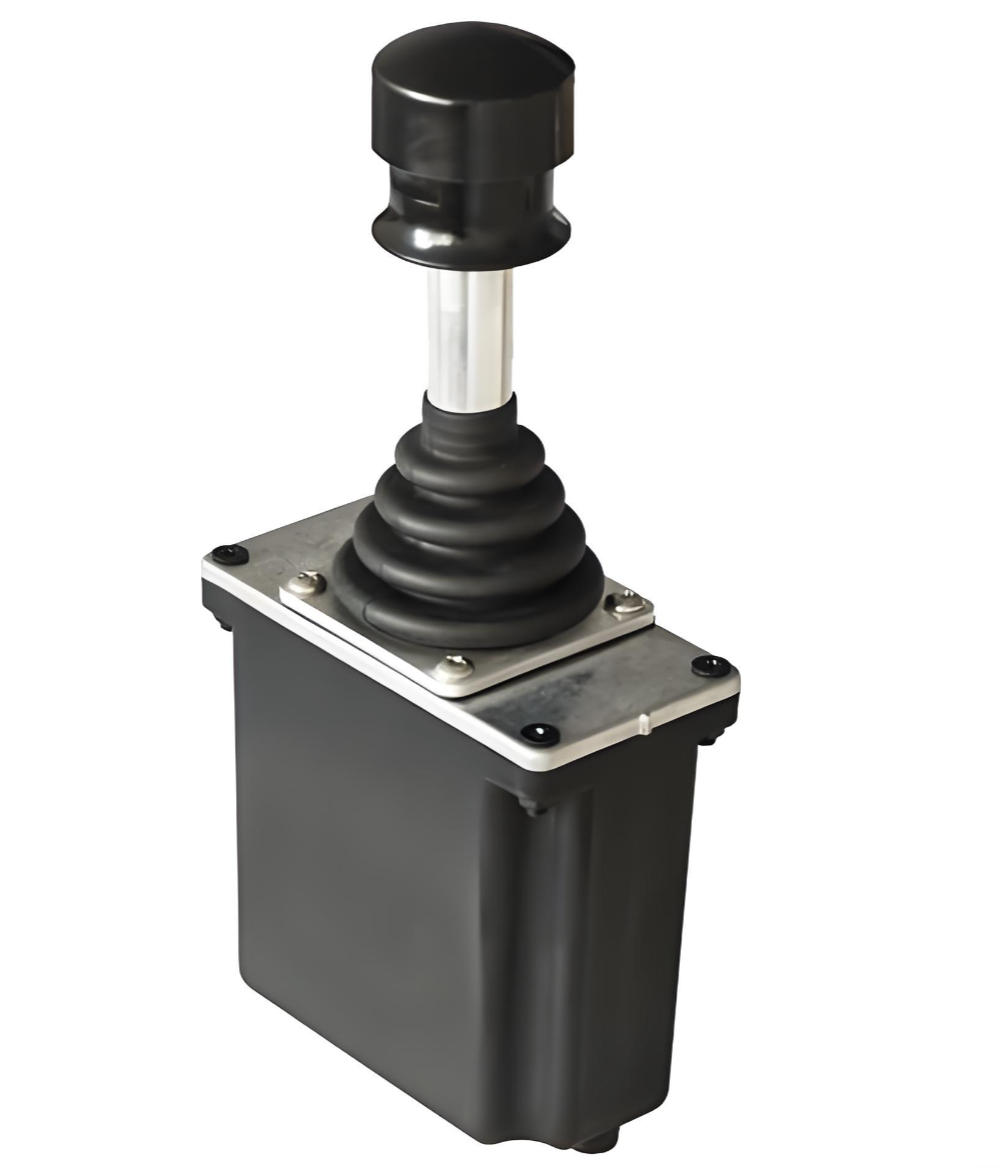
The fundamental difference between a joystick controller and a traditional button-based control panel lies in the nature of the input they provide. Traditional panels rely on an array of individual buttons, switches, and knobs, each typically corresponding to a single, discrete command or a fixed incremental movement (e.g., "X+," "Y-," "Jog 0.1mm"). This method requires the operator to mentally map multiple buttons to the desired multi-axis movement, which can be cognitively demanding and slow, especially for complex positioning tasks. In contrast, a joystick controller offers an intuitive, analog interface for proportional control. A single, ergonomic handle allows for smooth, simultaneous multi-axis movement by simply tilting the stick in the desired direction. This direct mapping of hand movement to machine motion is inherently more natural, significantly reducing the mental load on the operator. The result is faster and more fluid machine guidance, whether for positioning a Coordinate Measuring Machine (CMM) probe, maneuvering a CNC tool, or controlling a robotic arm, leading to a direct boost in operational speed and precision.
Enhancing Ergonomics and Reducing Operator Fatigue
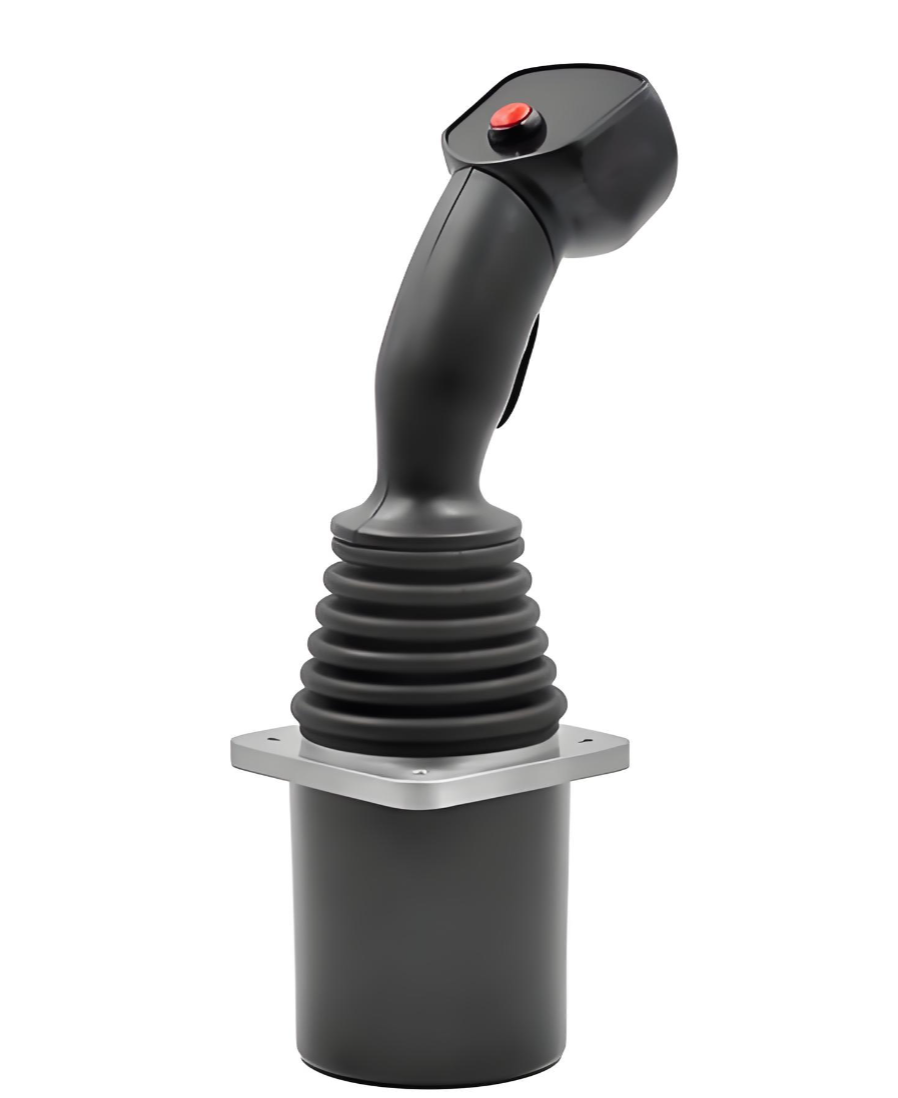
The physical interaction with the control interface has a profound impact on operator well-being and long-term productivity. Traditional panels often force operators into repetitive, fine-motor movements to press small buttons, which can lead to fatigue and strain over long shifts. The constant need to visually confirm the location of the correct button also diverts attention away from the machine and the workpiece, potentially compromising safety and focus. Joystick controllers, like those offered by Innovameld, are designed with ergonomics as a core principle. The handle is shaped to fit the hand comfortably, and the proportional control requires less precise, more natural gross motor movements. This design drastically reduces physical strain and the risk of Repetitive Strain Injuries (RSIs). Furthermore, the tactile feedback from the joystick allows operators to often perform movements "by feel," enabling them to keep their eyes on the task—such as monitoring a machining process or the precise alignment of a part—thereby enhancing both safety and operational efficiency.
The Flexibility of Integrated Control Solutions
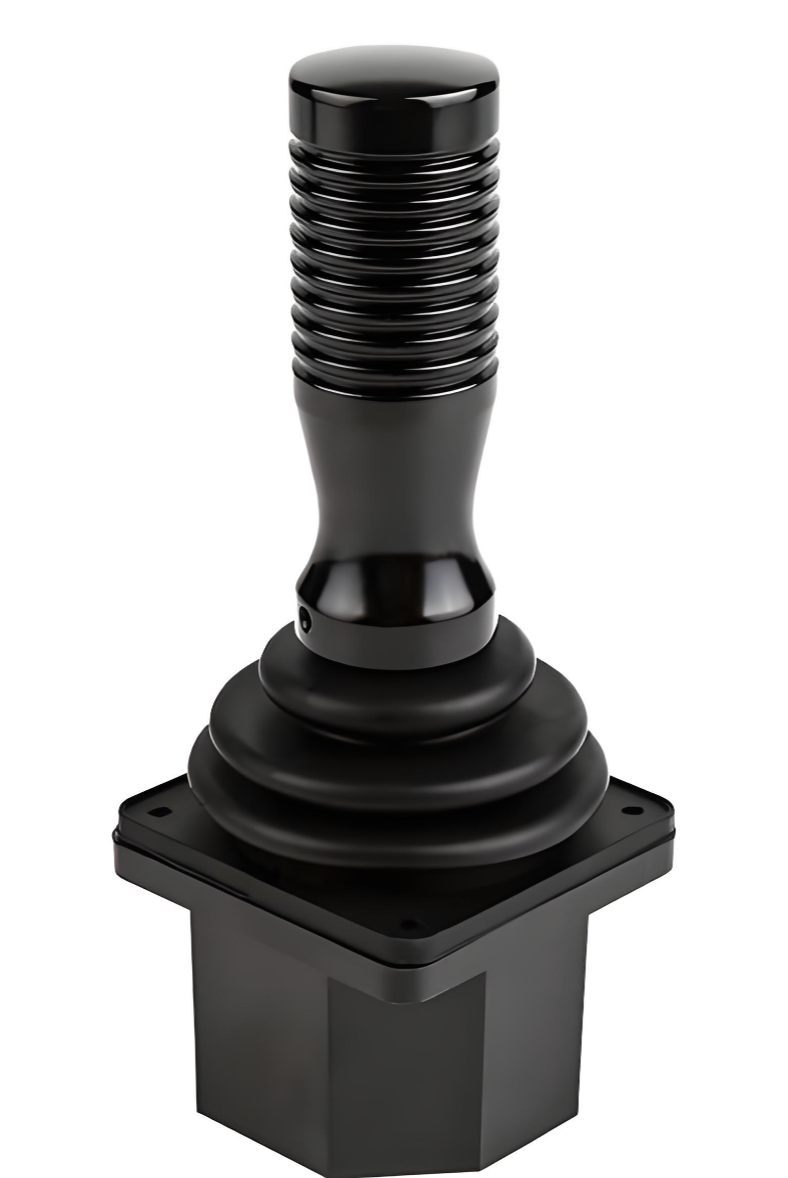
While a basic joystick excels at motion control, the most advanced solutions blur the line between a simple joystick and a comprehensive control panel. Modern joystick controllers can be integrated into custom control boxes that combine the analog joystick with essential digital controls. This means an operator can have the intuitive motion control of a joystick alongside dedicated emergency stop buttons, axis selection toggles, speed adjustment knobs, and even an integrated keyboard—all within a single, consolidated unit. This integrated approach, a key capability of providers like Innovameld, offers the best of both worlds. It streamlines the workspace by eliminating the need for a separate, sprawling button panel, creating a cleaner and more organized interface. This consolidation not only saves valuable space on the machine console but also customizes the control experience to the specific application, further reducing operation time and error by placing all critical functions immediately at the operator's fingertips. This makes such solutions ideal for complex equipment like CMMs and machining centers where both precise motion and frequent command inputs are required.
In conclusion, the comparison between joystick controllers and traditional control panels reveals a clear evolution in human-machine interface design. While traditional panels have their place for simple, discrete commands, joystick controllers offer a superior solution for tasks requiring precise, multi-axis motion control. By providing an intuitive, ergonomic, and efficient interface, they directly enhance productivity, reduce operator fatigue, and improve safety. The future of industrial control lies in integrated solutions that leverage the strengths of both paradigms, offering a tailored experience that maximizes the potential of both the operator and the machinery.