



Portable CMMs vs. Traditional CMMs: Pros & Cons
2026-03-11 11:26Portable CMMs vs. Traditional CMMs: Pros & Cons
Portability & Flexibility: The Core Advantage of Portable CMMs
The most significant advantage of Portable CMMs lies in their mobility and flexibility. Unlike traditional CMMs that require parts to be transported to a dedicated, climate-controlled metrology lab, portable CMMs can be brought directly to the workpiece. This "measurement at the source" approach eliminates the logistical bottleneck of moving large or heavy components, such as automotive bodies, aircraft assemblies, or large molds. Portable CMMs, including articulated arms and optical trackers, offer unrestricted freedom of movement, allowing operators to measure hidden features and complex geometries that are inaccessible to fixed machines. This flexibility is crucial for on-site inspection, reverse engineering, and first-article inspection (FAI) directly on the production floor, significantly reducing downtime and improving workflow efficiency.
Stability & Precision: The Unmatched Edge of Traditional CMMs
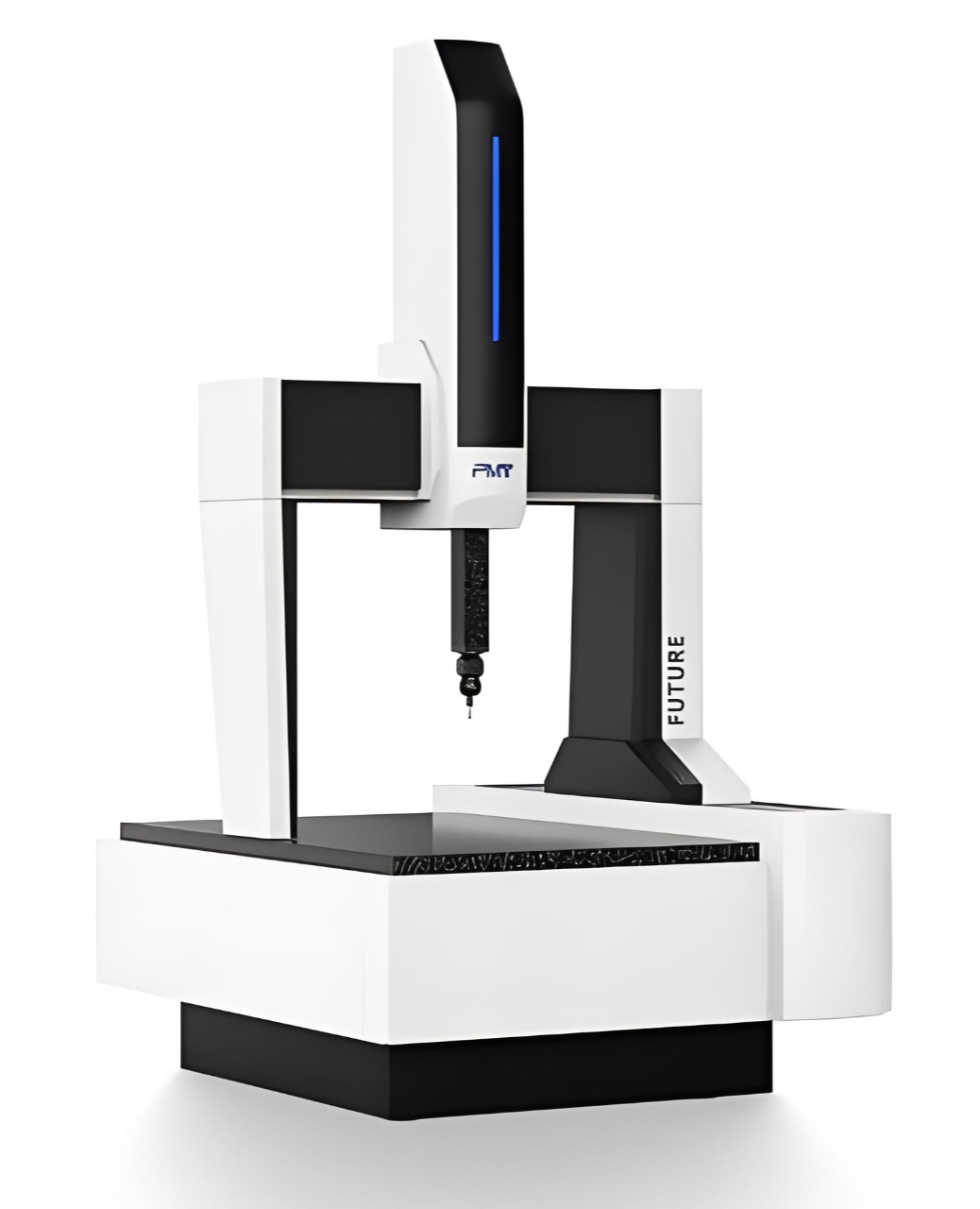
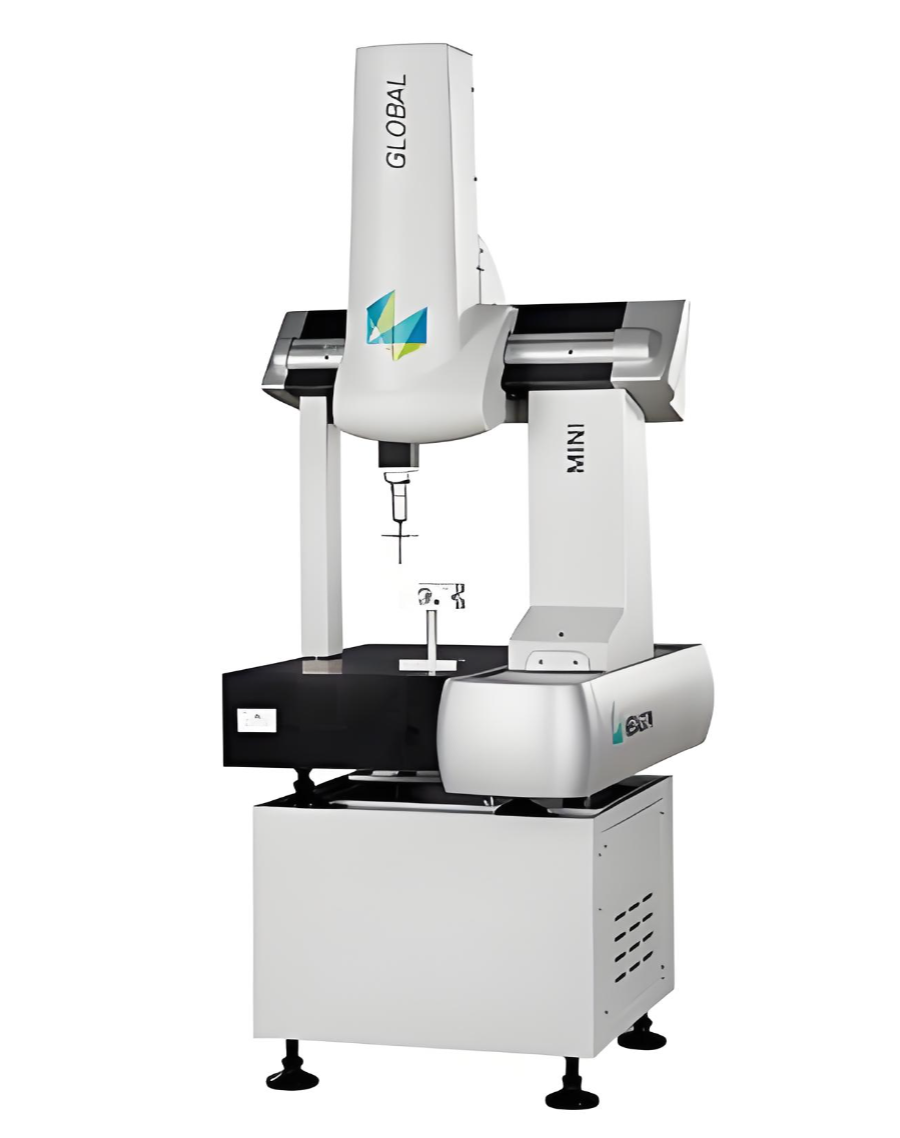
Traditional CMMs (bridge, gantry, and horizontal arm types) are the gold standard for high-precision and high-stability measurements. Their rigid mechanical structure, typically built on granite or ceramic bases and supported by air bearings, provides a stable platform that minimizes vibration and deflection during high-speed scanning. This structural integrity allows traditional CMMs to achieve sub-micron and even nanometer-level accuracies, making them indispensable for critical applications in aerospace, medical device manufacturing, and precision engineering. Furthermore, traditional CMMs are less susceptible to operator-induced errors due to their fully automated or CNC-controlled operation, ensuring consistent and repeatable results in a controlled environment.
Cost, Environment, and Application Suitability
The choice between portable and traditional CMMs often comes down to cost-benefit analysis and environmental constraints. Portable CMMs offer a lower total cost of ownership (TCO). They do not require expensive foundation preparation or dedicated temperature-controlled rooms, making them more accessible for small to medium-sized enterprises. They are also operator-friendly, with intuitive software that requires less specialized training. However, their accuracy can be influenced by ambient temperature fluctuations and workshop vibrations. In contrast, Traditional CMMs demand a significant initial investment in infrastructure and installation but deliver unparalleled long-term measurement stability and data integrity for high-volume, high-precision quality control.
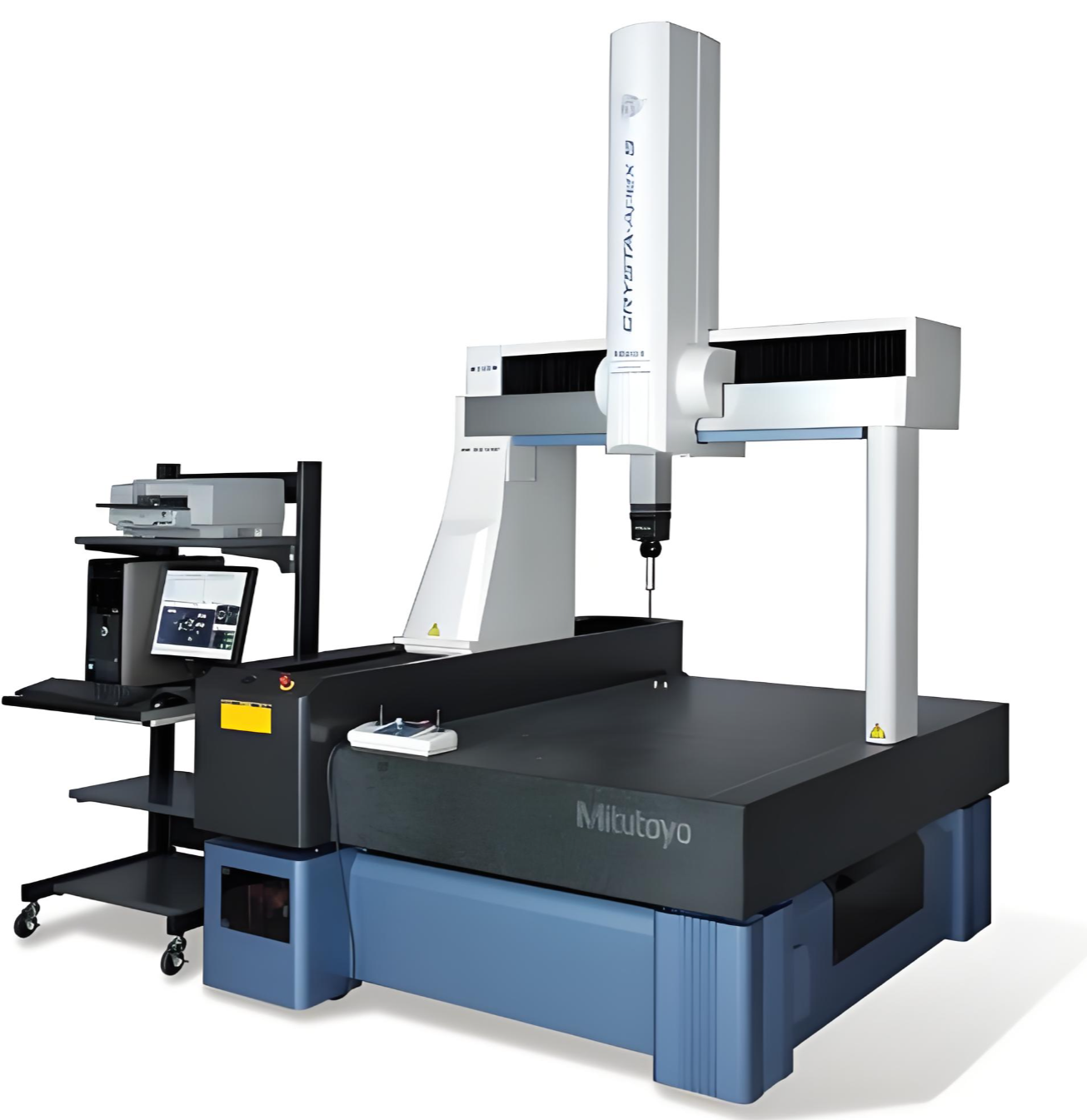
The debate between portable and traditional CMMs is not about superiority but about complementarity. While portable CMMs excel in flexibility and on-site adaptability, traditional CMMs remain the benchmark for absolute accuracy and environmental stability. The most effective metrology strategy often involves leveraging the strengths of both: using portable systems for rapid, in-process checks and large-scale reverse engineering, and relying on traditional CMMs for final, high-stakes validation. This synergy ensures comprehensive quality control across the entire manufacturing lifecycle.