


The Integration of Vision Systems with CMMs
2026-03-10 11:21The Integration of Vision Systems with CMMs
From Manual Operation to CNC Automation: The Foundation of Bridge-Type CMMs
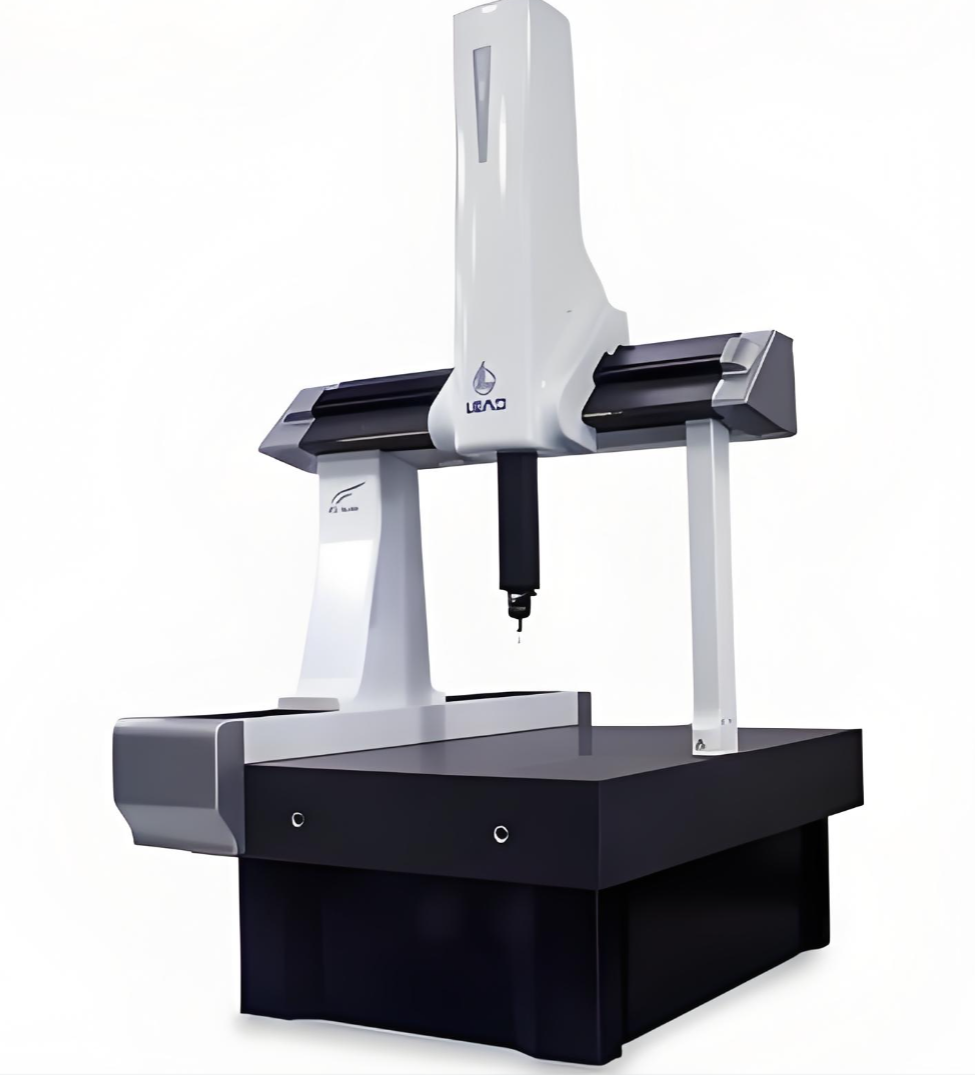
The evolution of bridge-type Coordinate Measuring Machines (CMMs) began with the transition from manual operation to Computer Numerical Control (CNC). Early bridge-type CMMs relied heavily on operator skill for positioning and data recording, often resulting in inconsistent measurements and low throughput. The pivotal advancement came with the integration of CNC technology, which automated the motion control of the X, Y, and Z axes. This transformation enabled bridge-type CMMs to execute complex measurement paths with high repeatability. The adoption of CNC systems allowed for the implementation of Automatic Feature Recognition (AFR) and Direct Computer Control (DCC), drastically reducing human error and enabling 24/7 operation in production environments. This foundational shift established the bridge-type CMM as a cornerstone of modern industrial quality control, moving it from a simple inspection tool to a sophisticated data acquisition system .
Structural Innovations: Enhancing Rigidity and Precision
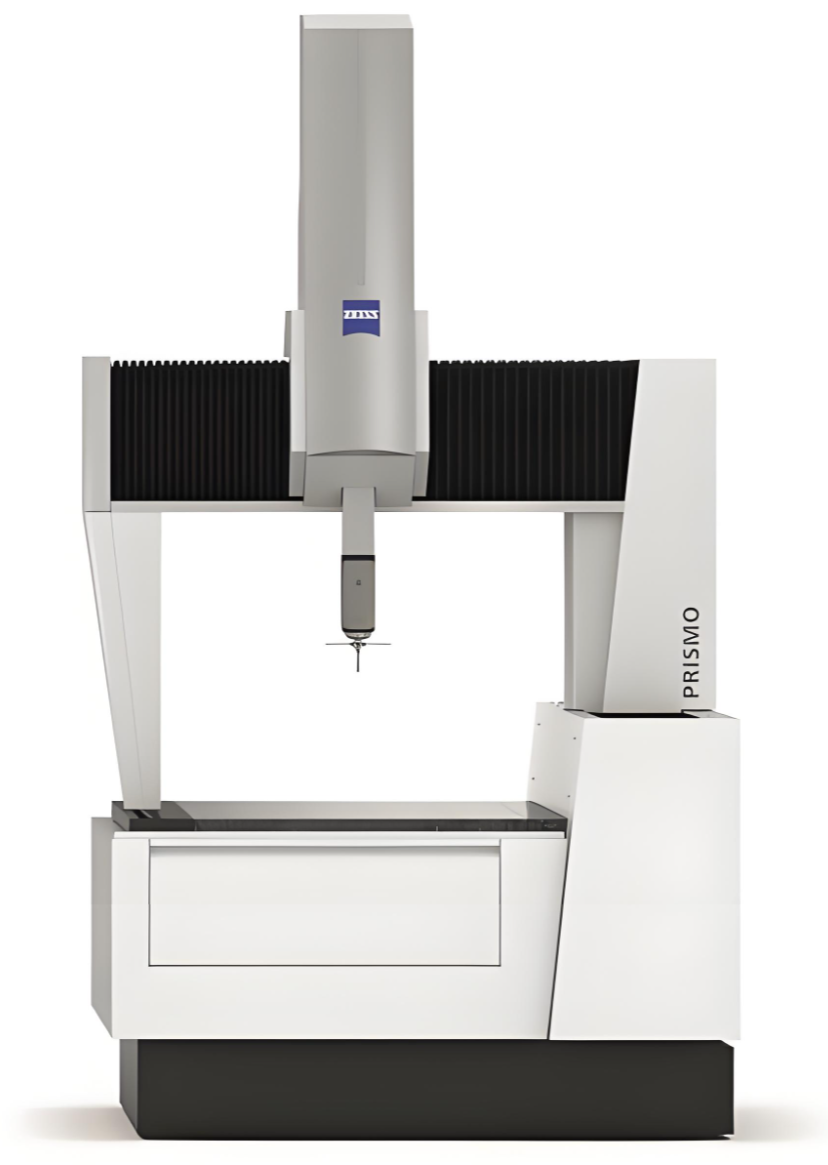
The core strength of the bridge-type CMM lies in its mechanical architecture. To achieve higher accuracy and stability, manufacturers have continuously refined the structural design. The introduction of high-precision granite guideways provided superior thermal stability and wear resistance compared to traditional metal components. Furthermore, the adoption of finite element analysis (FEA) in design allowed for the optimization of the bridge structure, minimizing deflection under dynamic loads. Key innovations include the implementation of air-bearing technology for frictionless movement and the development of triangular truss-style beams to increase rigidity while reducing moving mass. These structural enhancements have enabled bridge-type CMMs to maintain sub-micron accuracy even at high scanning speeds, making them indispensable for applications in aerospace, automotive, and precision engineering where dimensional tolerances are extremely tight .
The Era of Smart Metrology: Multi-Sensor Integration and AI
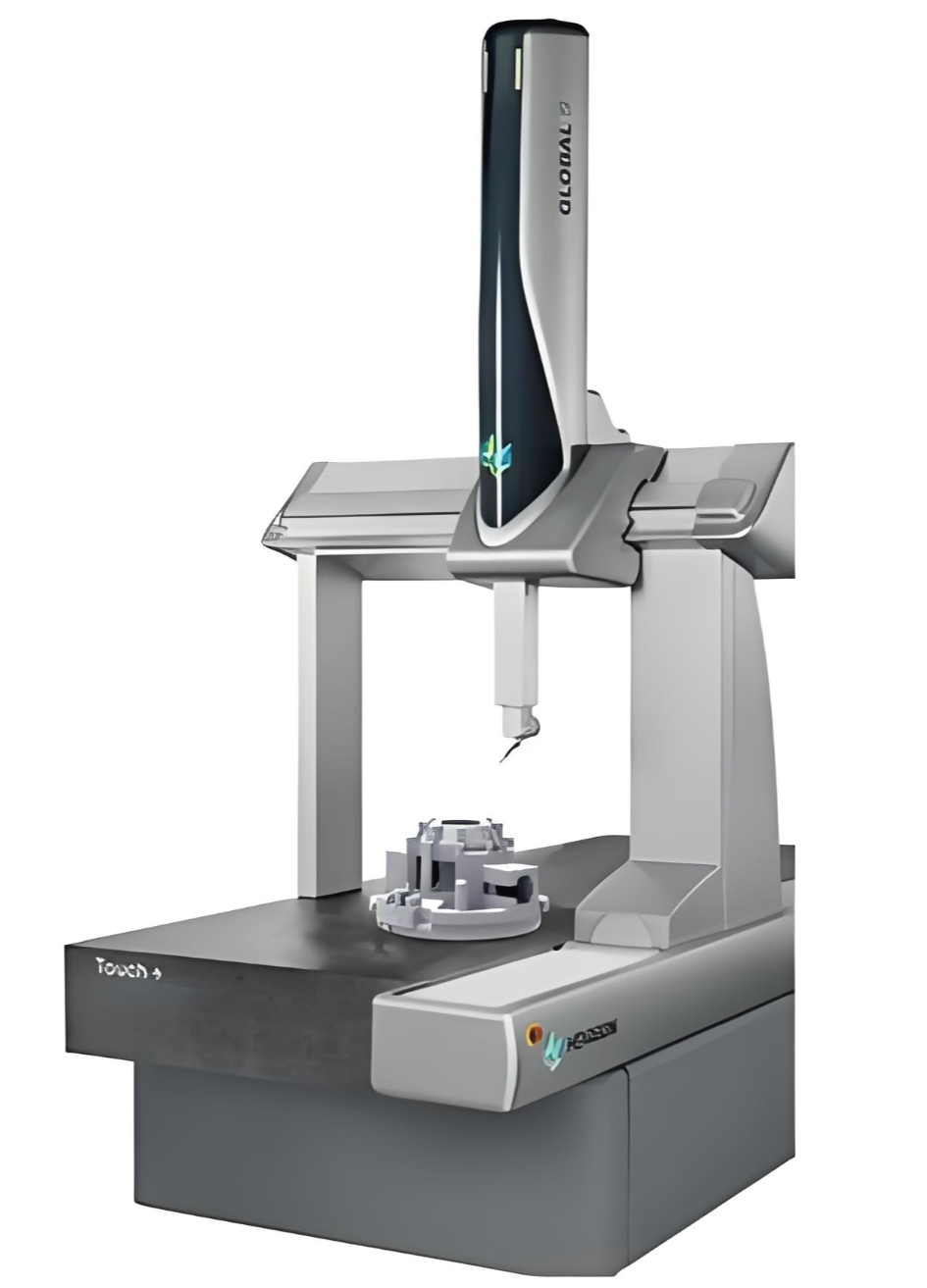
The latest stage in the evolution of bridge-type CMMs is their transformation into intelligent metrology centers. Modern machines are no longer limited to tactile probing; they now integrate multi-sensor systems including laser scanners, vision systems, and white light interferometers. This allows for the measurement of complex surfaces, micro-features, and soft materials on a single platform. The integration of Artificial Intelligence (AI) and Machine Learning (ML) algorithms has further revolutionized the field. AI-powered software can now perform automated path planning, collision avoidance, and predictive maintenance, optimizing machine uptime. Additionally, real-time temperature compensation and dynamic error correction algorithms compensate for environmental variations, ensuring measurement reliability in non-laboratory conditions. This evolution towards smart, connected systems positions the bridge-type CMM as a central node in the Industry 4.0 ecosystem .
The evolution of bridge-type CMM machines is a testament to the relentless pursuit of precision in manufacturing. From the foundational shift to CNC automation to the structural innovations that deliver unparalleled rigidity, and finally to the integration of smart, multi-sensor technologies, these machines have consistently adapted to meet the demands of modern industry. Today, they stand as the unwavering pillar of quality assurance, capable of verifying the most complex geometries with speed and accuracy that were once unimaginable.