



News
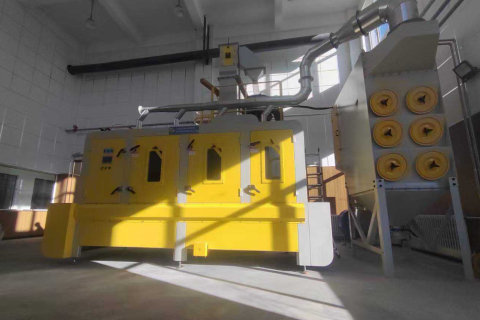
In industries ranging from automotive to medical devices, a perfect seal is often the thin line between optimal performance and catastrophic failure. Whether containing high-pressure fluids, preventing gas leaks, or ensuring sterility, the integrity of a seal is paramount. Achieving this perfection is not a matter of force or material alone; it is fundamentally a challenge of geometry and precision. The mating surfaces of any seal must fit together with near-flawless conformity.
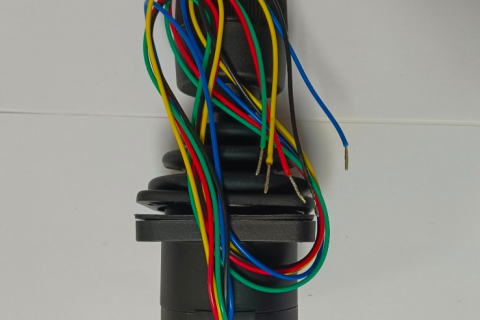
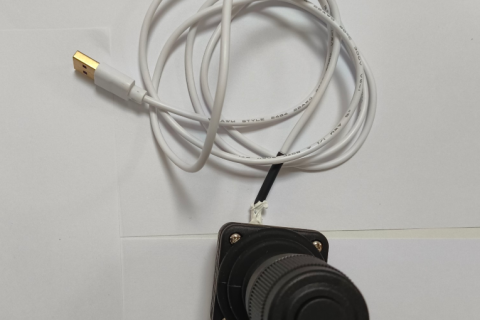
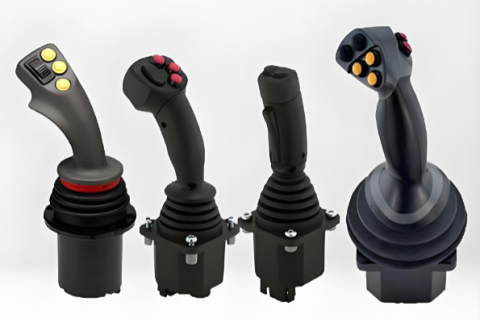
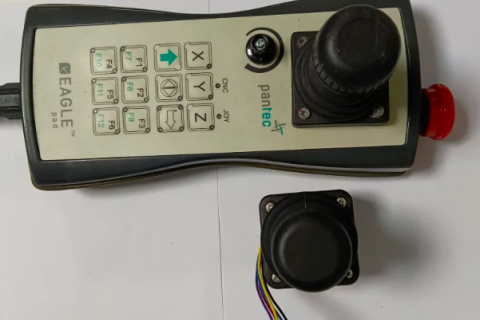
The humble joystick, once synonymous with arcade cabinets and flight simulators, has undergone a remarkable transformation into a critical productivity tool in industrial settings. This crossover is not merely about repurposing entertainment hardware;
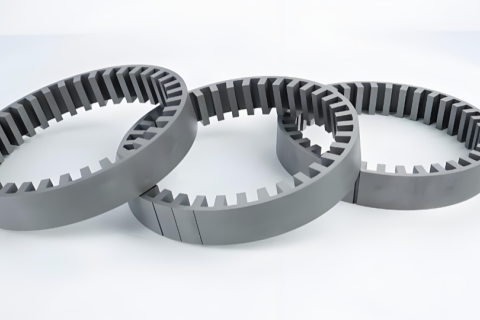
At the heart of every high-efficiency electric motor lies a component most people never see: the lamination stack. These are not simple metal pieces; they are precisely engineered thin steel sheets, often thinner than a human hair, that are stacked together to form the motor's stator and rotor. The reason for this intricate design is to combat a hidden enemy of motor efficiency: eddy currents. When a solid metal core is exposed to the motor's rapidly changing magnetic fields, it acts like a short-circuited turn, generating swirling currents that produce significant heat and waste energy.
In the realm of minimally invasive and robotic-assisted surgery, precision is paramount, but traditional systems present a significant limitation: the loss of tactile sensation. Surgeons operating through a console view a high-definition screen but cannot physically feel the tissue they are manipulating.
The journey to mass-producing parts as light as 0.05 grams begins not on the production floor, but in the design and tooling phase. The cornerstone of stability in micro-injection molding is the mold itself. These are not standard molds simply scaled down; they are masterpieces of precision engineering, typically machined on advanced Japanese or Taiwanese CNC equipment to achieve micron-level tolerances.
Stepping onto the floor of a fully automated chassis welding line is like witnessing a perfectly choreographed ballet of industrial robotics. As highlighted in the background material, this specific system is composed of "24 Yaskawa welding robots and 5 material handling robots," all working in concert.
At the heart of every electric vehicle (EV) motor lies a component whose precision is paramount to efficiency: the stator and rotor core, built from thousands of thin, stacked steel laminations. These are not simple metal discs; they are the first line of defense against energy loss. The fundamental reason for using laminations instead of a solid block of steel is to combat eddy currents. When a solid metal core is subjected to the motor's rapidly changing magnetic fields, it acts like a short-circuited turn, generating swirling currents that produce significant heat, wasting energy and reducing efficiency.
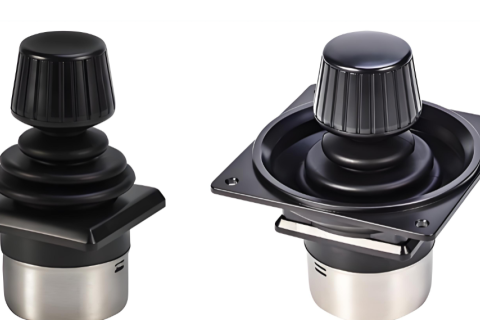
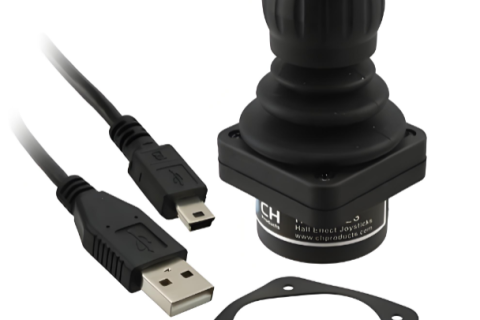
The core limitation of traditional potentiometer-based joysticks lies in their fundamental working principle: physical contact. A potentiometer relies on a wiper moving across a resistive track. Over time, this mechanical contact leads to inevitable wear and tear, causing the resistive material to degrade. This results in a phenomenon known as "potentiometer drift," where the output signal becomes erratic even when the joystick is in its neutral position, leading to inaccurate control commands and a shortened operational lifespan. In contrast, Hall Effect joysticks operate on a completely contactless principle
The relentless pursuit of efficiency in electric vehicles (EVs) has made weight reduction a primary focus for engineers. Every kilogram saved translates directly into extended range, improved performance, and reduced energy consumption. While large components like battery packs and body frames often steal the spotlight, a silent revolution is happening at a much smaller scale, driven by micro-injection molding
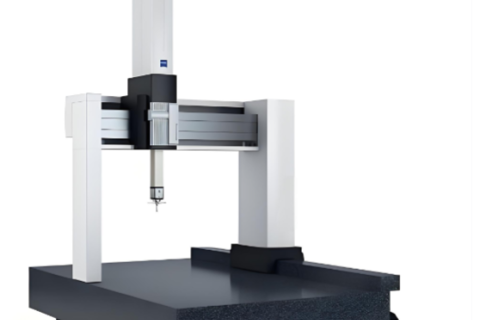
When we think of quality control, we often imagine a sharp-eyed inspector scrutinizing a product. However, in the world of advanced manufacturing, the most critical flaws are invisible to the naked eye. This is where high-precision scanners come into play, acting as a form of "digital touch" that goes far beyond human capabilities.