


Force Feedback Joysticks Let Doctors "Feel" from a Distance
2025-12-31 17:16Force Feedback Joysticks Let Doctors "Feel" from a Distance
The Power of Haptic Feedback in Robotic Surgery
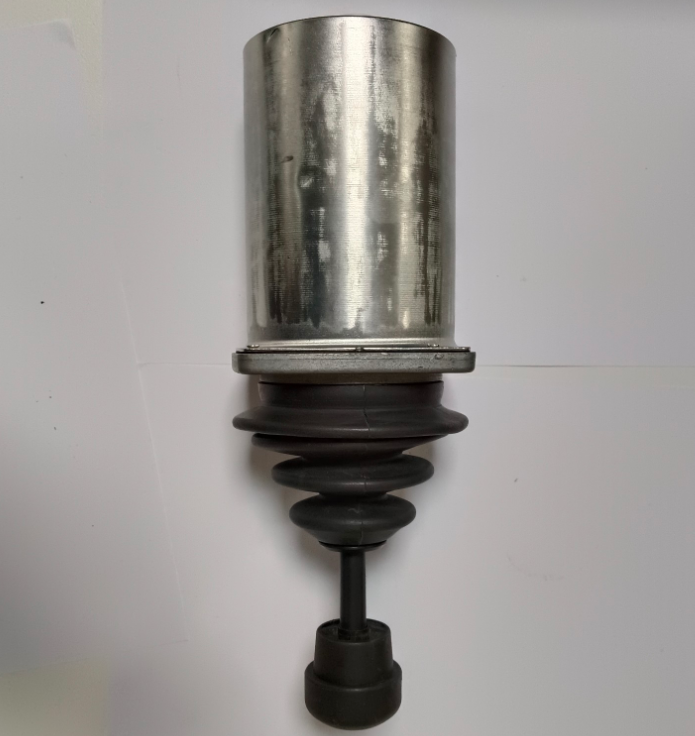
In the realm of minimally invasive and robotic-assisted surgery, precision is paramount, but traditional systems present a significant limitation: the loss of tactile sensation. Surgeons operating through a console view a high-definition screen but cannot physically feel the tissue they are manipulating. This is where force feedback joysticks create a revolutionary leap. These advanced control devices, as highlighted in the background material which notes their ability to provide "real-time tactile feedback," act as a bidirectional channel of information. They not only transmit the surgeon's precise movements to the robotic instruments but also send physical forces back to the surgeon's hands. When the robotic instrument touches a vessel, presses against a bone, or pulls on a suture, the joystick replicates that sensation through calibrated resistance, vibrations, and subtle force cues. This "digital touch" bridges the physical gap between the surgeon and the patient, transforming a visually guided procedure into a multi-sensory experience that restores the critical sense of touch, a fundamental tool in a surgeon's arsenal.
Enhancing Surgical Safety and Precision
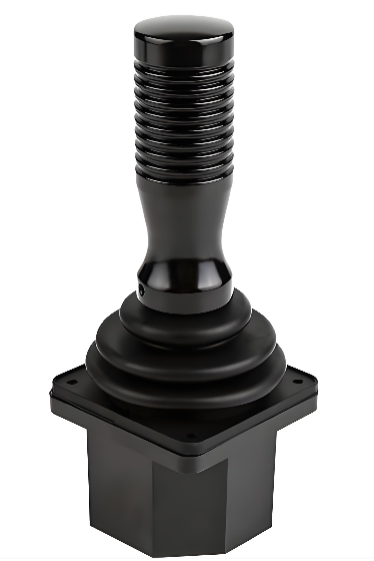
The value of force feedback extends far beyond mere immersion; it is a critical safety and precision enhancement tool. In delicate procedures, such as cardiac or neurological surgery, applying excessive force can have catastrophic consequences. A force feedback joystick provides a physical warning system. For instance, as a surgeon maneuvers near a fragile artery, the joystick can generate increasing resistance, intuitively signaling the need for gentler manipulation. This haptic guidance helps prevent tissue damage, bleeding, and other complications. Furthermore, this technology enables "virtual fixtures" or "haptic boundaries." Surgeons can program no-go zones into the system; if the robotic tool approaches a sensitive area, the joystick creates a repulsive force field, effectively guiding the surgeon's hand away from danger. This function is akin to the lane-keeping assist in a modern car but applied with life-or-death precision. By providing these tangible boundaries and force cues, the technology significantly reduces the surgeon's cognitive load, allowing them to focus more on strategy and decision-making rather than constantly worrying about instrument placement and pressure. This leads to more consistent outcomes and a higher standard of patient care.
Precision Engineering for Medical Reliability
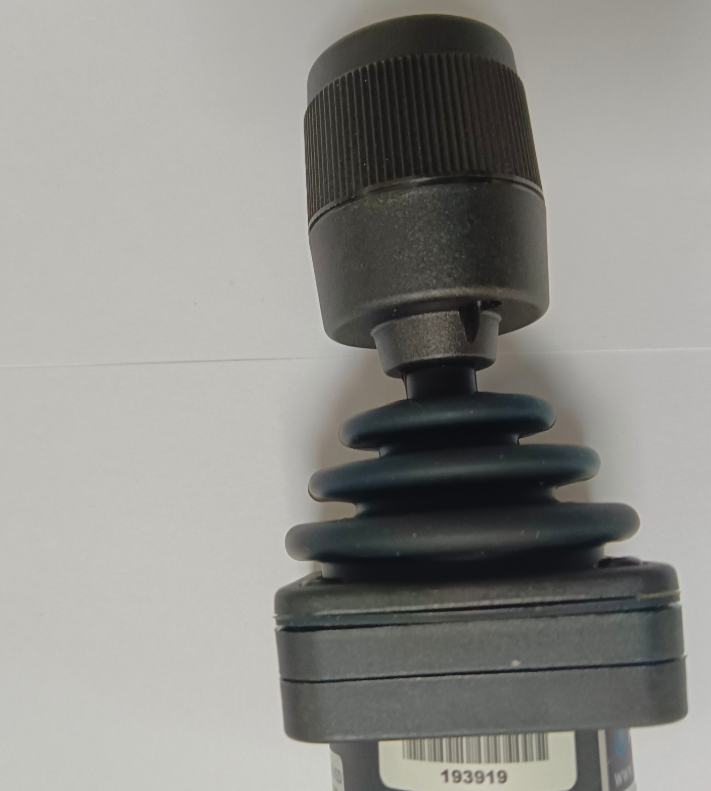
The ability to deliver life-critical haptic information reliably demands an extraordinary level of engineering excellence. These are not consumer-grade gaming joysticks; they are medical-grade instruments built for unwavering accuracy and reliability. The background material emphasizes that the company possesses "independent R&D teams focused on hardware," a crucial capability for such complex devices. The joysticks likely incorporate high-resolution encoders or Hall Effect sensors (as mentioned in the context of other joystick products) to achieve micron-level precision in reading the surgeon's hand movements. The force feedback mechanisms, often employing high-torque brushless motors, must generate forces that are both accurate and responsive, replicating the subtlest tissue textures without any jarring or lag. Moreover, every component must be designed for sterilizability and fail-safe operation. The systems undergo rigorous validation to ensure they meet medical device standards, providing the robust performance required in an operating room where there is no room for error. This fusion of precision mechanics, advanced sensors, and robust software algorithms creates a tool that feels intuitive to the surgeon but is underpinned by some of the most sophisticated technology in modern manufacturing.