


Performance Analysis of Cantilever vs. Gantry-Type Machines in the DHA Series Coordinate Measuring Machines
2026-01-20 12:15Structural Design and Its Impact on Measurement Capabilities
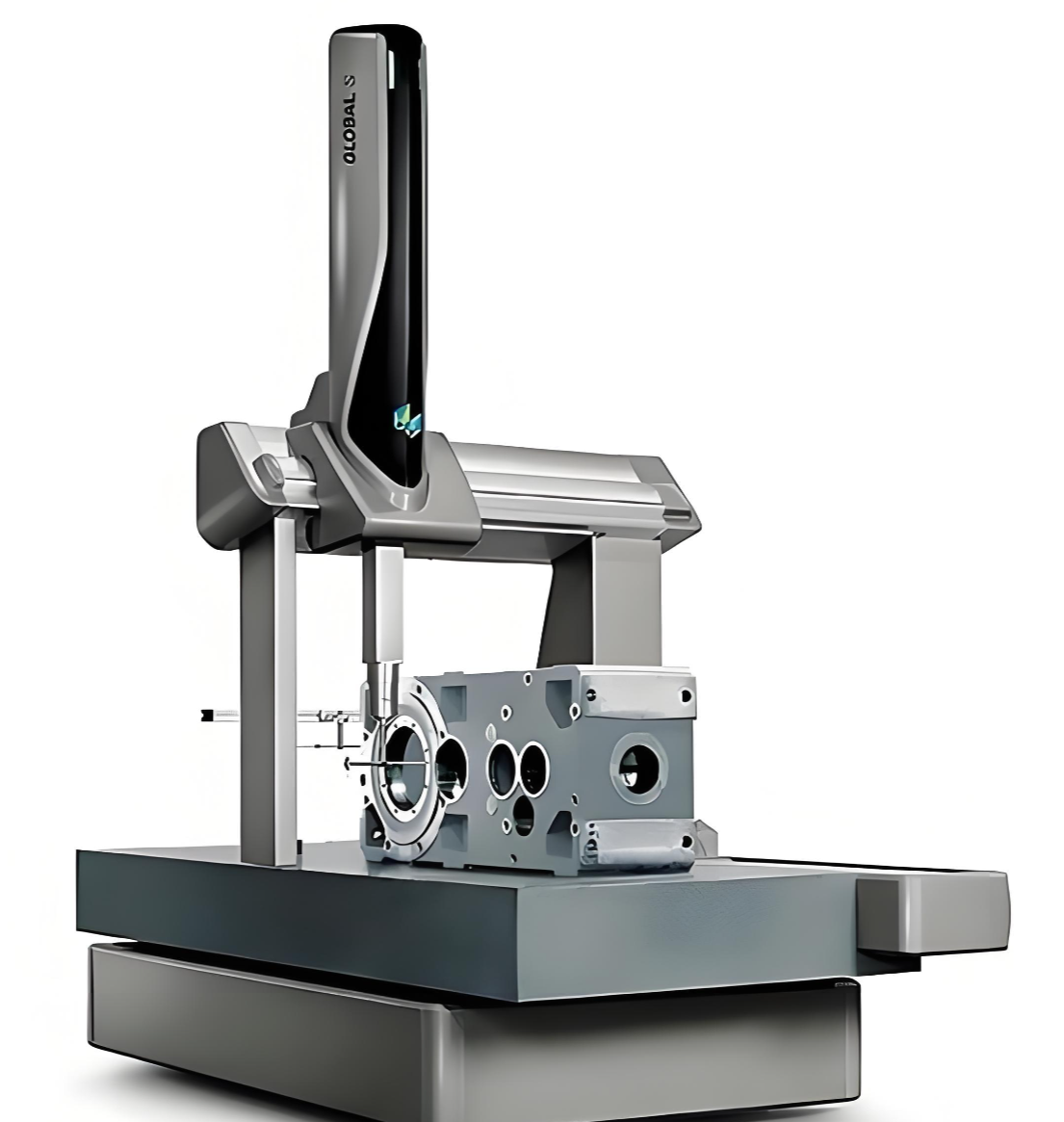
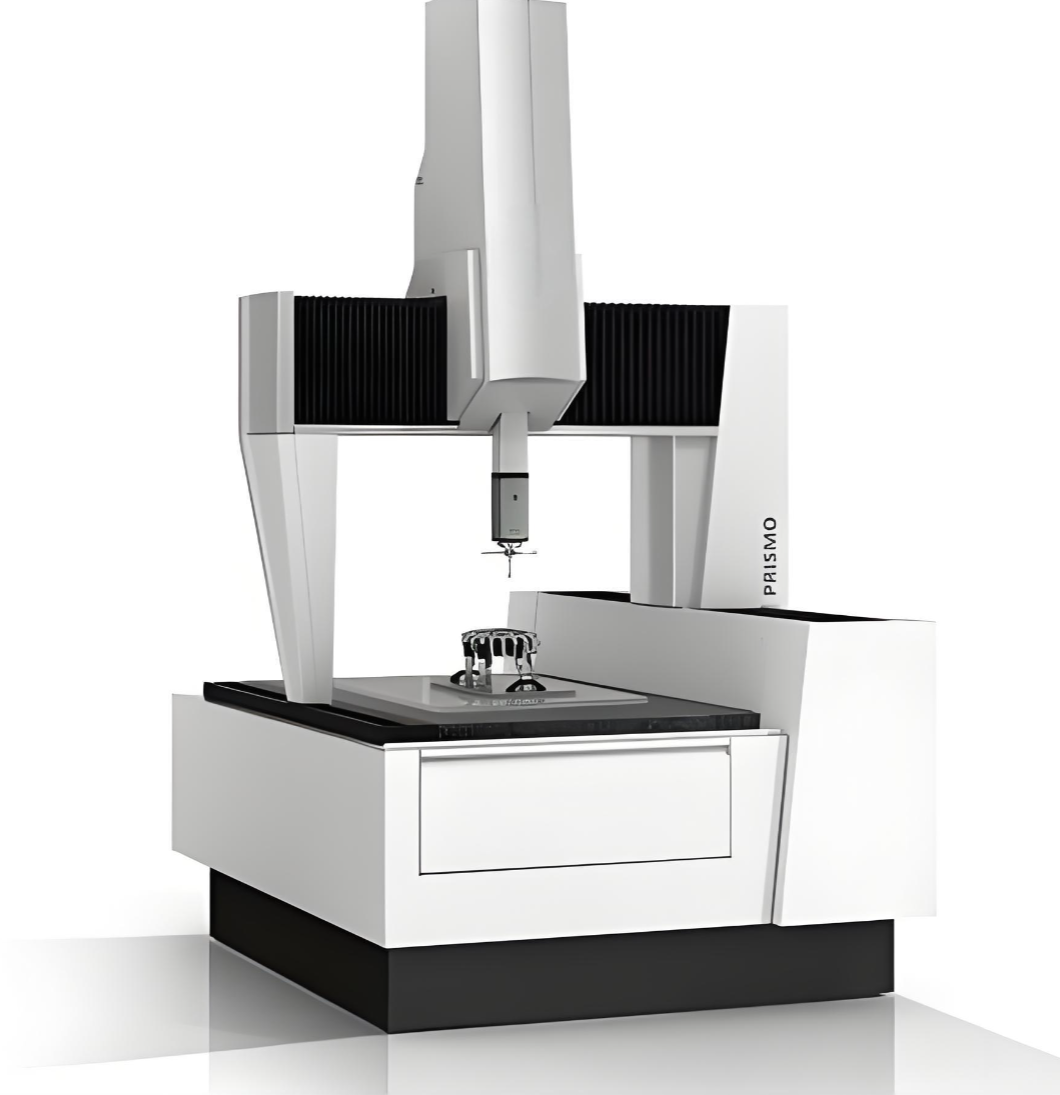
The fundamental difference between cantilever and gantry-type (bridge) CMMs in the DHA series lies in their structural architecture, which directly dictates their respective strengths and optimal application scenarios. Cantilever CMMs feature an open design where the measuring arm is supported from one side, providing unparalleled accessibility to three sides of the workpiece. This design is exceptionally advantageous for measuring large, heavy, or complex-shaped components that require frequent loading and unloading, such as automotive body panels, large fixtures, or molds. Operators can easily load parts from the open sides without obstruction from the machine's structure. In contrast, gantry-type CMMs are characterized by a moving bridge that travels along two fixed rails on a robust base, with the workpiece positioned beneath. This symmetrical, closed-loop structure provides superior rigidity and stability, which is critical for achieving the highest levels of accuracy and repeatability. The gantry design minimizes dynamic errors during high-speed scanning by distributing forces evenly, making it the preferred choice for applications demanding micron-level precision, such as in aerospace component inspection or high-accuracy gear measurement.
Optimizing Throughput, Accuracy, and Application-Specific Performance
Choosing between a cantilever and a gantry CMM involves a careful analysis of the trade-offs between throughput, accuracy, and the specific nature of the parts to be measured. Cantilever CMMs, with their open access, typically allow for faster part setup and changeover. This can significantly increase throughput in environments where a variety of large parts need to be measured quickly, such as in first-article inspection or quality control labs with high mix, low volume production. Models like the DHA universal NC cantilever CMM are designed for this kind of flexible, general-purpose measurement. Gantry CMMs, however, excel in environments where maximum accuracy and high-speed scanning of smaller to medium-sized parts are paramount. The inherent stiffness of the bridge structure allows for faster probe travel speeds without sacrificing measurement integrity. This makes them ideal for high-volume inspection tasks on production lines, such as verifying the dimensions of engine blocks or transmission components. Furthermore, for the highest accuracy requirements, such as those met by the DHA NC HP high-end cantilever machine or the bridge machines in the series, the gantry type often holds an advantage in volumetric accuracy over large measuring volumes due to its symmetrical error compensation.
Strategic Selection for Long-Term ROI and Operational Flexibility
The decision ultimately extends beyond technical specifications to strategic considerations regarding return on investment (ROI), facility layout, and future needs. Cantilever CMMs generally require less floor space relative to their measuring volume and are often a more cost-effective solution for measuring very large parts where ultimate accuracy is secondary to accessibility and speed of measurement. Their flexibility makes them a versatile asset in job shops or R&D departments. Gantry CMMs, while potentially requiring a more substantial foundation and a larger footprint, offer unparalleled precision and long-term stability. This reduces measurement uncertainty and the cost of quality over time, which is critical for serial production and industries with strict compliance standards. The robust construction of DHA series gantry machines ensures they remain accurate for years, protecting the initial investment. When considering automation, both types can be integrated, but gantry CMMs are often more readily adapted for fully automated, unattended operation with robotic part handlers due to their stable platform and consistent accuracy under continuous use.
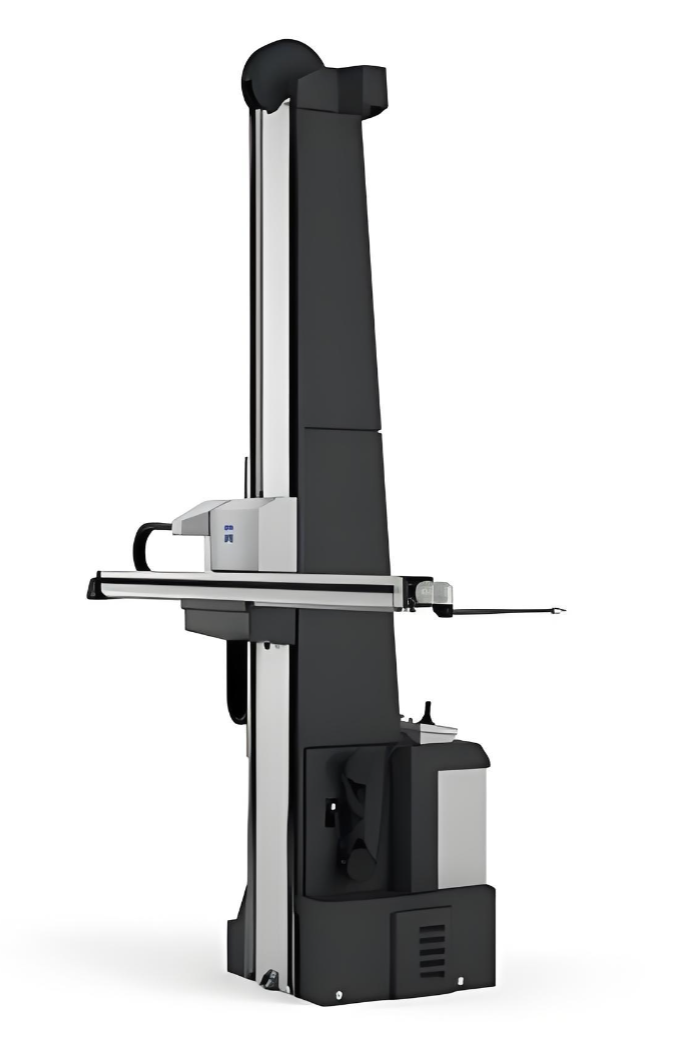
In conclusion, there is no universal "best" choice between cantilever and gantry-type CMMs in the DHA series; rather, there is an optimal match for a specific measurement mission. The cantilever design offers superior accessibility and flexibility for large, complex parts, prioritizing throughput and ease of use. The gantry design delivers maximum rigidity and accuracy for high-precision, high-speed applications, ensuring long-term reliability and the lowest possible measurement uncertainty. Understanding these performance characteristics allows manufacturers to select the ideal CMM architecture—whether it's the open flexibility of the cantilever or the unwavering precision of the gantry—to maximize efficiency, quality, and ROI in their specific metrology processes.