

How To Reduce Procurement Risk When Buying Multi-Category Industrial Equipment For One Production Environment
2026-04-29 14:48Procurement risk grows quickly when buyers are not purchasing one machine, but an entire mix of measurement, control, and machining equipment for one production environment. In those cases, the biggest risk is rarely that one product fails completely. The bigger risk is that the products create mismatch, support gaps, training issues, or hidden engineering work after purchase. That is exactly why a multi-category product portfolio should be evaluated as a production environment, not as a list of separate quotations.
Reduce Technical Risk By Standardising Interfaces Early
Renishaw’s controller-specific probing software examples and Hexagon’s retrofit-friendly software approach both show that interface choices made early can lower long-term risk. Buyers should therefore standardise controller, reporting, and software expectations before purchasing devices. If each product is chosen independently, integration risk grows later. Early interface alignment is one of the cheapest forms of risk control.
Reduce Operational Risk By Focusing On Maintainability And Support
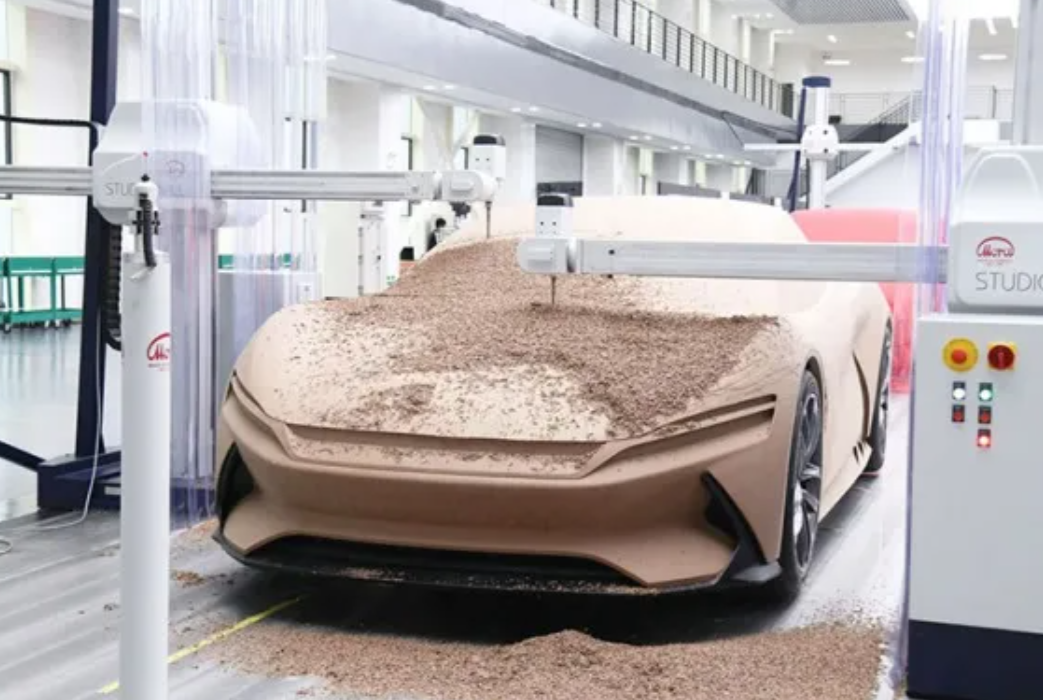
FANUC’s maintenance and support materials stress predictive, preventive, and reactive maintenance together with parts, service, and diagnostics. InnoVaMeld’s public site also includes a dedicated after-sales support page and a production/testing-center related news page, which signals that buyers in this category will likely look for service credibility as well as product fit. Procurement risk falls when the buyer knows who will support the equipment, how problems will be diagnosed, and how quickly production can recover.
Reduce Commercial Risk By Buying Around The Process, Not The Product
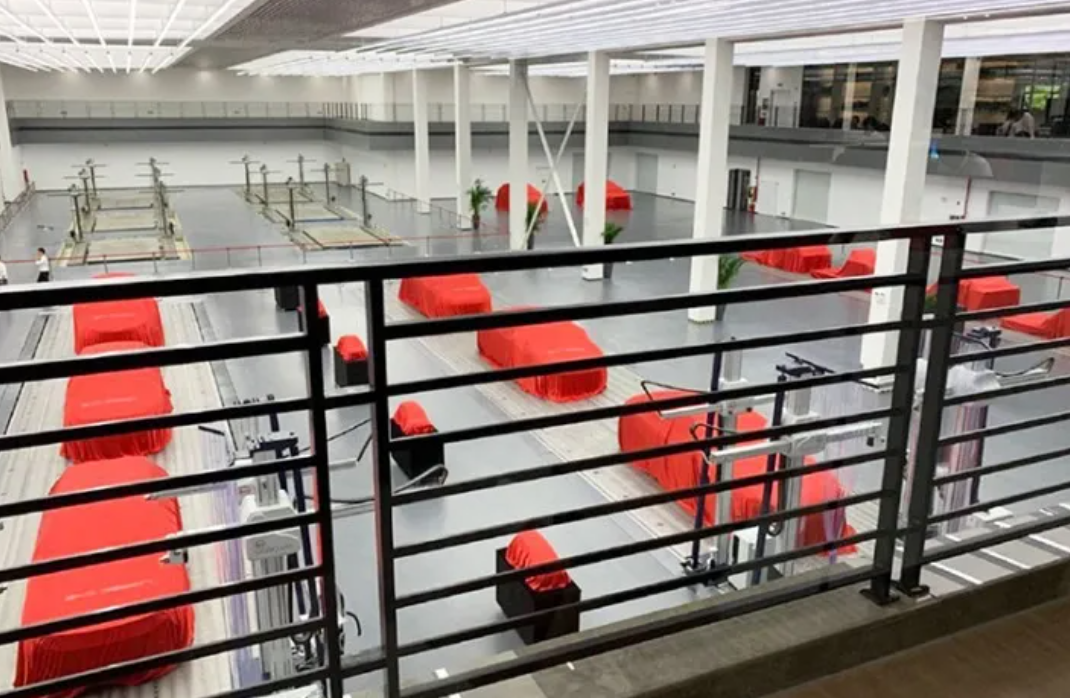
BLUM’s and ZEISS’ materials both point toward process-oriented value: continuous chains, throughput, machine utilization, repeatability, and fewer rejects. Buyers should use the same lens when comparing a multi-category purchase. The safest commercial decision is usually the one built around a clear process map: where setup happens, where correction happens, where final verification happens, and how data moves between those steps. That reduces ambiguity before contracts are signed.
To reduce procurement risk in a multi-category industrial project, buyers should standardise interfaces early, compare support and maintainability carefully, and buy against a defined process map instead of a list of product features. The lower-risk purchase is usually the one that is easier to connect, support, and operate as one environment.