



News

Comparing CMM suppliers from China before importing requires more than checking price and machine size. Buyers should compare application review ability, machine accuracy, measuring range, probe package, software functions, fixture support, calibration documents, export packaging, delivery terms, installation guidance, training, warranty and after-sales service. By providing real drawings, CAD files, tolerance requirements and inspection workflow before quotation, overseas buyers can receive a more suitable CMM recommendation and avoid hidden costs after import.
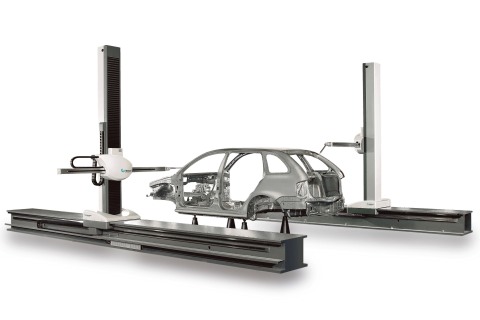
Coordinate Measuring Arm buyer guide with RFQ checklist, installation risk points, supplier comparison, internal product links, FAQ and project inquiry.
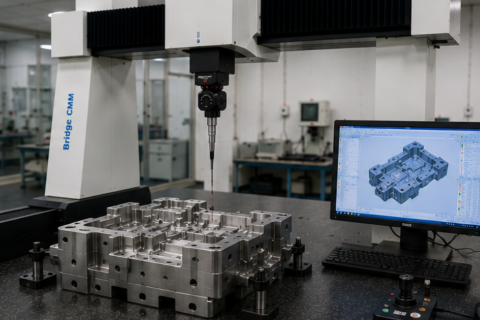
Bridge CMM inspection helps mold manufacturers and tooling factories verify mold inserts, tooling plates, cavity blocks, guide components and custom fixtures before assembly or delivery. The right solution should combine suitable measuring range, stable accuracy, proper probe access, stylus configuration, fixture support, CAD comparison software, GD&T reporting and calibration service. By providing drawings, CAD files, tolerance data, measured features and inspection workflow before quotation, buyers can receive a more practical bridge CMM recommendation for mold inserts and tooling inspection.
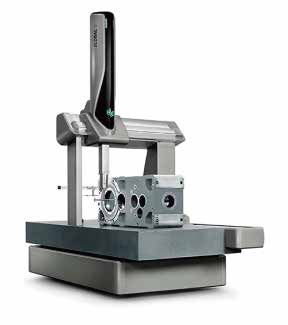
Coordinate Measuring Machine buyer guide with RFQ checklist, installation risk points, supplier comparison, internal product links, FAQ and project.
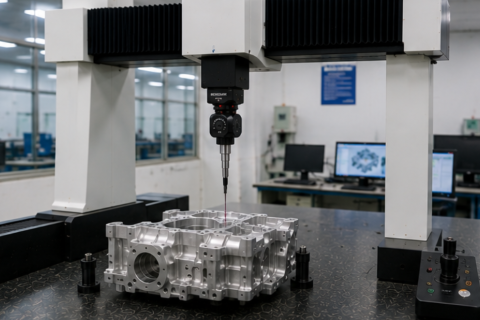
A CMM machine is an important tool for first article inspection in CNC manufacturing. It helps verify critical dimensions, datum relationships, hole positions, bores, flatness, profiles and GD&T features before batch production begins. By using CMM inspection data, factories can correct machining programs, fixtures, tool offsets and process settings before large quantities are produced. The right CMM solution should support accurate measurement, repeatable fixture setup, CAD-based software, automatic FAI reports and long-term quality control.
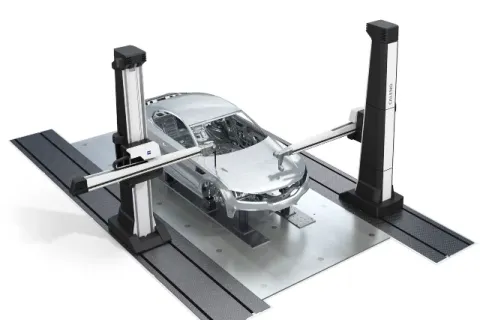
Used Products buyer guide with RFQ checklist, installation risk points, supplier comparison, internal product links, FAQ and project inquiry CTA.
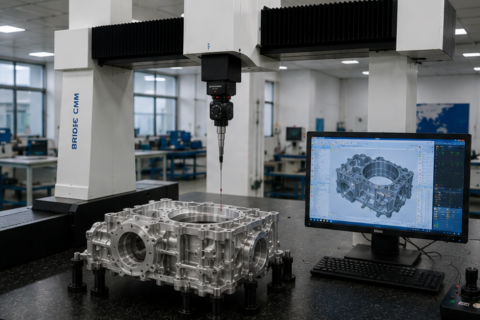
Choosing a China CMM supplier for overseas industrial inspection projects requires more than comparing machine price. Buyers should evaluate machine configuration, measuring range, accuracy, probe system, software, fixture support, calibration, export packaging, installation guidance, training, warranty, and after-sales service. By providing part drawings, CAD files, tolerance data, measured features, and project requirements before quotation, overseas buyers can receive a more practical CMM solution and build a reliable inspection workflow for long-term quality control.
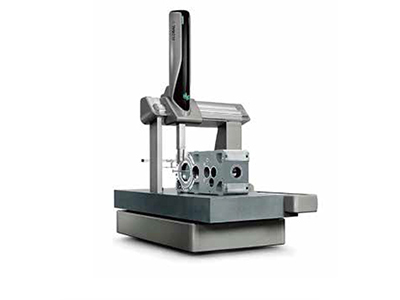
Control Box buyer guide with RFQ checklist, installation risk points, supplier comparison, internal product links, FAQ and project inquiry CTA.
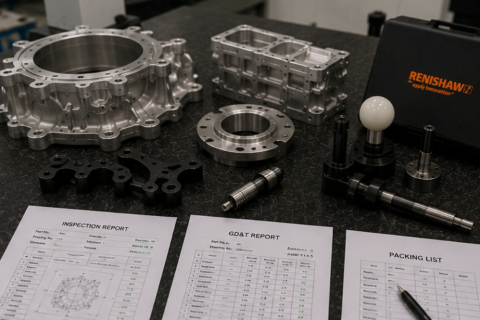
Bridge CMM inspection before shipment helps precision parts suppliers reduce export quality risk, confirm drawing compliance, generate traceable reports, and build stronger trust with overseas customers. The right CMM solution should support accurate measurement of holes, bores, planes, profiles, datum relationships, and GD&T requirements. By combining CMM inspection with batch records, packing control, and export documentation, factories can deliver precision parts with greater confidence and fewer quality disputes.
Joystick buyer guide with RFQ checklist, installation risk points, supplier comparison, internal product links, FAQ and project inquiry CTA.