


What Should Buyers Prioritize When Comparing Measurement, Control, And Machining Solutions For Complex Parts
2026-04-30 14:59Complex parts place pressure on every stage of production. They need accurate setup, controlled machining, repeatable measurement, and faster decisions when tolerances are tight. That is why buyers comparing measurement, control, and machining solutions for complex parts should focus less on isolated product features and more on whether the whole solution can handle geometry, variation, and process feedback efficiently. This is also a strong fit for a product mix like InnoVaMeld’s, where probes, CMMs, measurement software, tool setters, and machining-related equipment are all publicly visible.
Prioritise The Ability To Handle Complex Geometry Reliably
Hexagon positions QUINDOS as modular metrology software for special geometries in aerospace, energy, automotive, and engineering, showing that complex-part inspection often needs more than a basic routine. Buyers should therefore ask whether the selected solution truly supports the geometry they make. For complex parts, the wrong measurement strategy can create blind spots even when the machine itself is accurate.
Prioritise Fewer Setups And Better In-Process Feedback
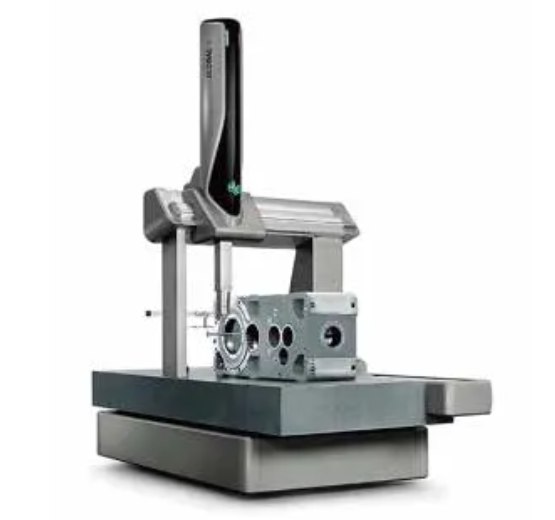
Haas explicitly notes that 5-axis machining reduces setups and increases accuracy for multi-sided and complex parts, while Renishaw and BLUM both emphasise on-machine probing and in-process measurement as ways to correct before parts leave the machine. For buyers working with complex parts, this is critical. Every additional setup introduces more variation, more time, and more risk. The right solution is the one that reduces re-clamping and increases in-process visibility.
Prioritise Repeatable Inspection And Faster Decision-Making
ZEISS’ orthopedic success story highlights a gage R&R study leading to automated inspection investment, and its automated metrology materials stress speed and repeatability. For complex parts, decision speed matters because production problems multiply quickly when features are numerous and tolerances are interdependent. Buyers should prioritise solutions that make inspection repeatable and decisions faster, not just solutions that promise maximum theoretical capability.
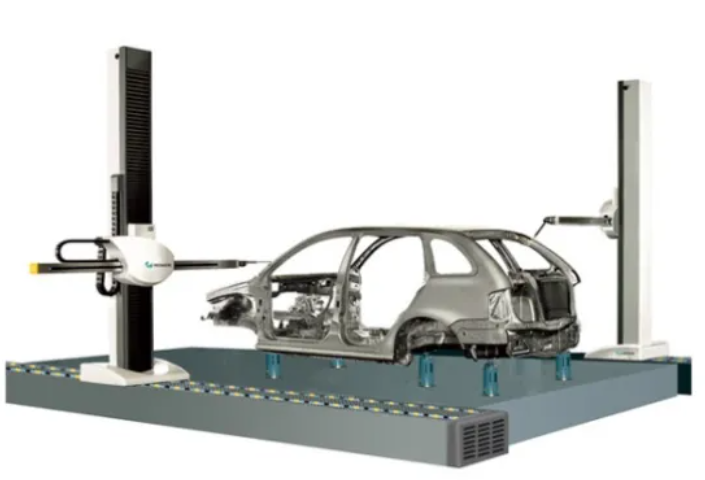
When comparing solutions for complex parts, buyers should prioritise geometry handling, fewer setups, stronger in-process feedback, repeatable inspection, and faster decision-making. Complex parts do not forgive disconnected systems. The best solution is the one that keeps geometry, process, and quality information aligned from setup to final verification.