


How To Evaluate Integration Between Measurement Software, Probes, Control Devices, And Machine Tools
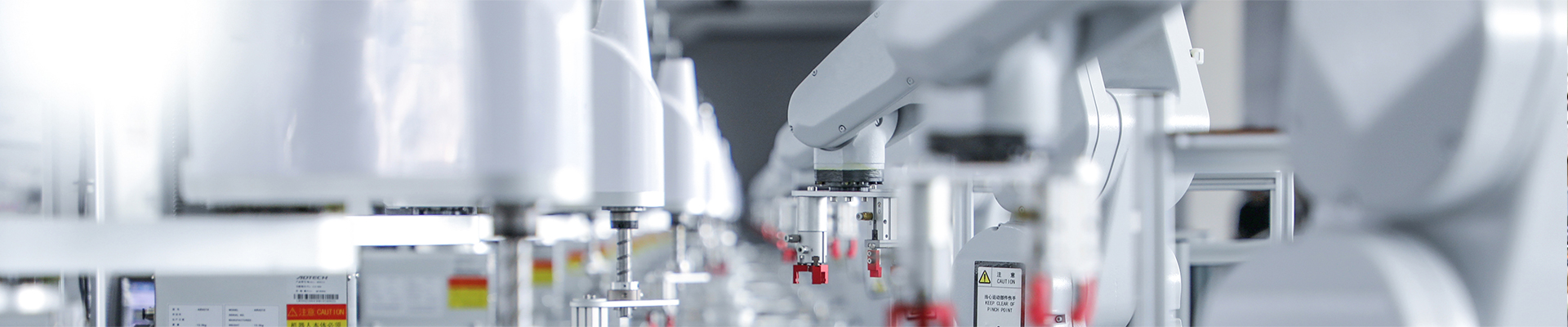
2026-04-27 14:42Industrial equipment becomes valuable faster when the data path is clear. That is why buyers should evaluate not only whether each hardware component works, but whether the software, probe, control interface, and machine tool can exchange usable information without extra manual interpretation. This matters directly for a mixed portfolio like InnoVaMeld’s, which publicly combines measurement software, probes, control products, and machining-related categories on one site.
Check Whether The Software Supports Real Shop-Floor Execution
Hexagon’s NC Measure is designed to simplify part inspection directly on the machine tool, while Renishaw’s machine tool probe software covers tool setting, job setup, inspection, verification, and reporting. This shows that software integration should be judged by what the operator can actually do on the floor, not just by what is possible in a laboratory or offline programming office. Buyers should ask whether the software speeds action at the machine or only produces more data after the fact.
Check Whether The System Reduces Training Burden
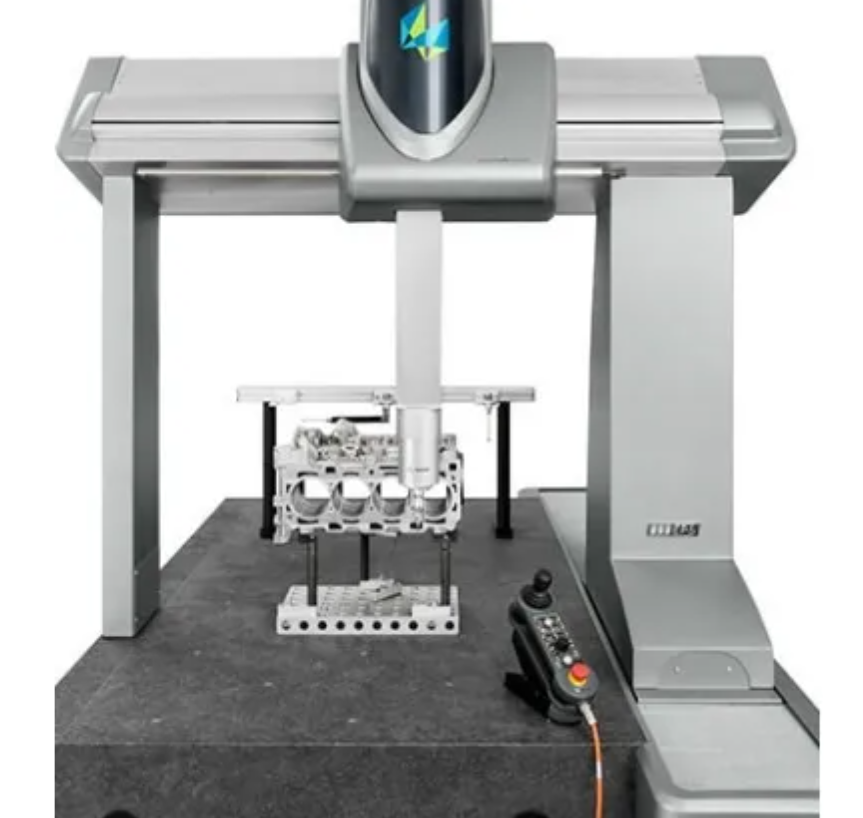
Hexagon’s CMM integration materials emphasise minimal operator training, while ZEISS’ automation solutions stress intuitive interfaces that can even be operated by untrained personnel. Buyers should take usability seriously because a technically powerful system loses value if only one expert can run it. Strong integration means the software and controls reduce training burden instead of increasing dependence on specialist knowledge.
Check Whether Results Flow Back Into Action
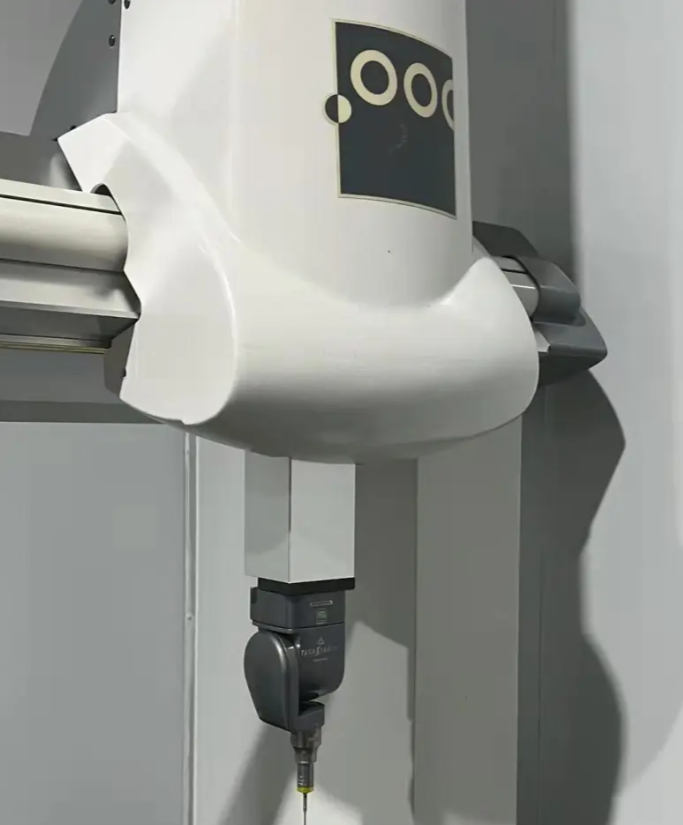
Renishaw’s Reporter software is built for viewing component measurement data on the machine control or tablet, and its inspection software supports automatic offset updates and result output after each measurement cycle. This is what buyers should focus on: whether the system closes the loop. Integration is valuable when measurement leads directly to setup correction, tool compensation, or production decisions. Otherwise, the software may only create reports without improving the process.
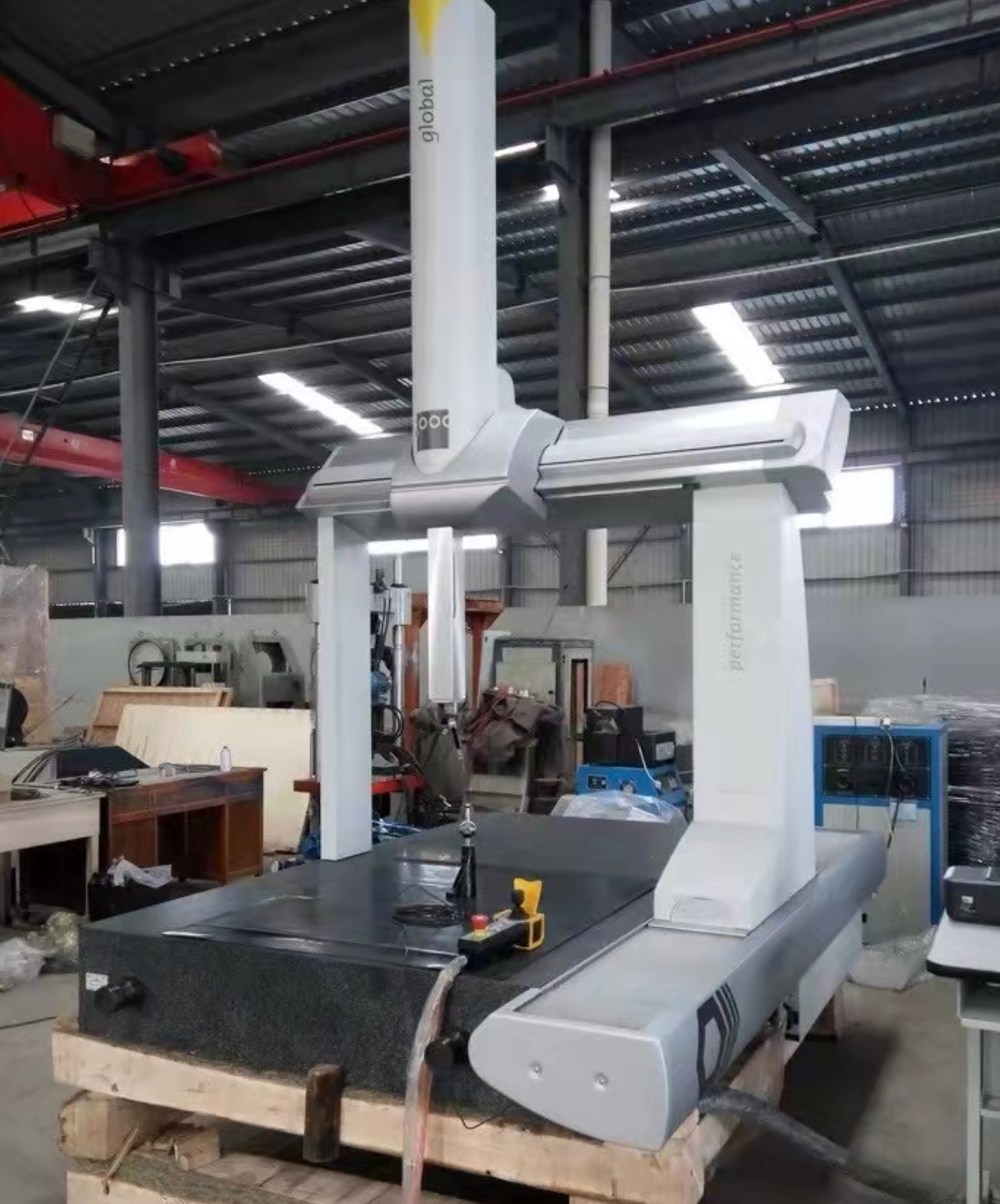
To evaluate integration well, buyers should ask three questions: does the software help work on the shop floor, does it reduce training burden, and do measurement results flow back into process action? If the answer is yes, the system is integrated in a practical sense, not just a technical one.