


- Home
- >
News
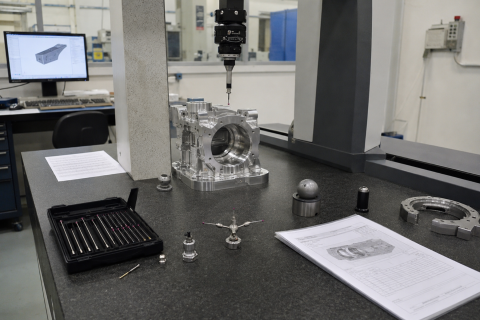
A CMM machine quotation should be evaluated as a complete inspection solution, not just a machine price. Overseas buyers should check machine model, measuring range, accuracy, probe system, software modules, fixtures, calibration, export packaging, delivery terms, installation guidance, training, warranty and after-sales support. By providing drawings, CAD files, tolerance requirements, measured features and destination information before quotation, buyers can receive a more accurate CMM recommendation and avoid hidden costs during overseas procurement.
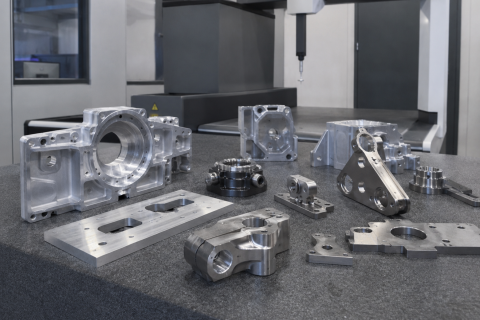
Choosing a bridge CMM manufacturer for overseas CNC machining projects requires careful comparison of machine accuracy, measuring range, probe system, software capability, fixture support, calibration, export packaging, installation guidance, and after-sales service. The right supplier should understand the buyer’s parts, tolerances, inspection workflow, destination country, and long-term support needs. By providing drawings, CAD files, tolerance data, measured features, and production requirements before quotation, overseas buyers can receive a more accurate bridge CMM recommendation and reduce project risk.
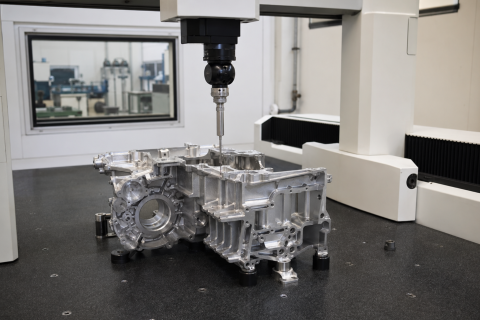
Automotive aluminum housing inspection requires more than basic dimensional checking. These parts often include bores, mounting holes, sealing faces, datum planes, thin-wall areas, and complex cast geometry. A suitable coordinate measuring machine solution should combine the right measuring range, stable machine structure, proper probe configuration, repeatable fixture design, GD&T software, calibration support, and reporting workflow. By providing drawings, CAD files, tolerance data, measured features, and production requirements before quotation, buyers can receive a more accurate CMM recommendation for automotive aluminum housing inspection.
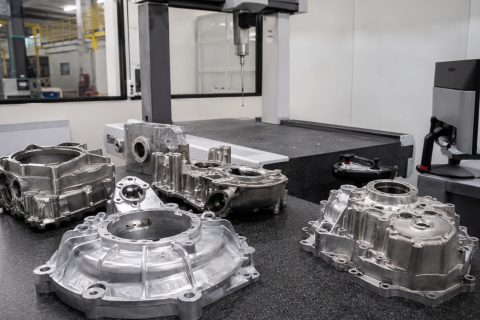
Aluminum die casting parts require careful dimensional inspection because casting deformation, machining features, thin walls, datum surfaces, and assembly interfaces can directly affect product quality. A suitable CMM solution should combine the right measuring range, probe system, fixture design, GD&T software, calibration support, and reporting workflow. By providing drawings, CAD files, tolerance data, measured features, and production requirements before quotation, buyers can receive a more accurate CMM recommendation for aluminum die casting parts inspection.
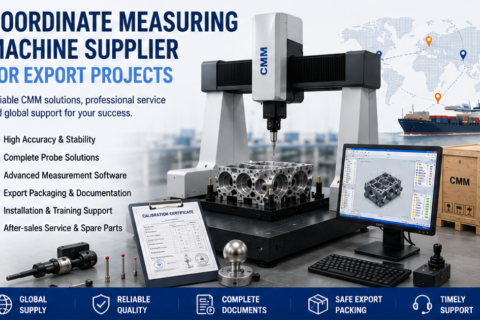
Selecting a coordinate measuring machine supplier for export projects requires careful comparison of technical configuration, export packaging, documentation, installation support, calibration, training, warranty, and after-sales service. Overseas buyers should not compare only the machine price. A suitable supplier should understand the buyer’s parts, tolerances, inspection workflow, destination country requirements, and long-term service needs. By providing complete application information before quotation, buyers can receive a more accurate CMM solution and reduce export project risk.
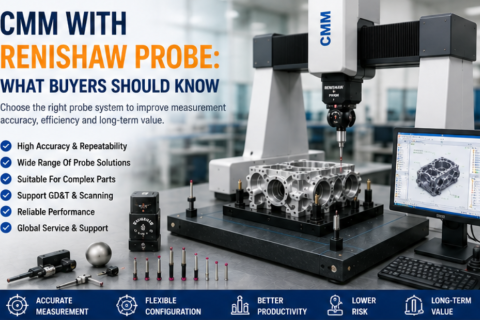
A CMM with Renishaw probe can provide strong inspection capability when the probe system is correctly matched with the buyer’s parts, tolerances, software, fixtures, and production workflow. Buyers should confirm the probe type, probe head, stylus configuration, scanning requirement, software support, calibration method, accessories, and after-sales service before purchase. By providing drawings, CAD files, measured features, and reporting requirements before quotation, buyers can receive a more suitable CMM configuration and reduce procurement risk.
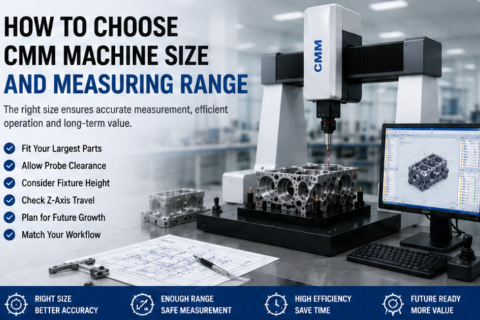
Choosing CMM machine size and measuring range requires more than checking part length, width, and height. Buyers should also consider fixture height, clamping space, probe head size, stylus length, Z-axis clearance, table load capacity, loading method, operator access, inspection workflow, and future part families. A correctly selected CMM provides enough usable measuring volume without unnecessary cost. By preparing complete part and fixture information before quotation, buyers can receive a more accurate recommendation and avoid size-related problems after installation.
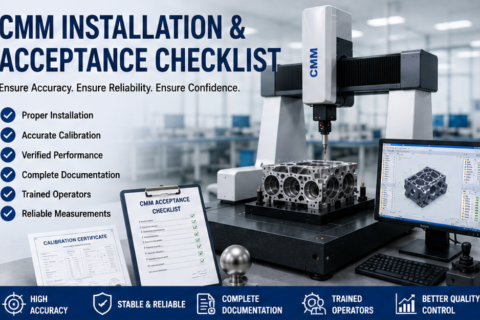
CMM installation and acceptance should be handled as a complete quality process. Buyers should check site preparation, unpacking, machine leveling, utility connection, probe qualification, software setup, calibration, accuracy verification, real part testing, documentation, and operator training before final approval. A clear installation and acceptance checklist helps prevent hidden problems, improves measurement reliability, and supports long-term dimensional inspection performance.
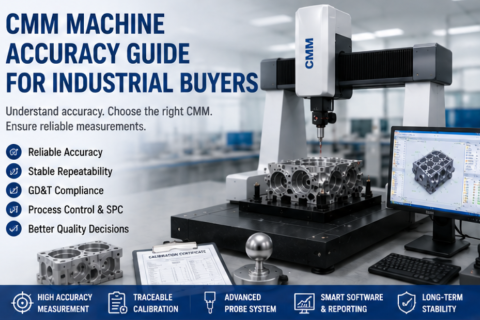
CMM machine accuracy should be evaluated as a complete measurement system, not just a catalog number. Industrial buyers should consider part tolerance, machine structure, measuring range, probe system, software, fixture stability, environment, calibration, and operator workflow. A suitable CMM should provide reliable accuracy and repeatability for the buyer’s real inspection tasks. By providing clear drawings, tolerance data, measured features, and installation conditions before quotation, buyers can receive a more practical CMM recommendation and reduce procurement risk.
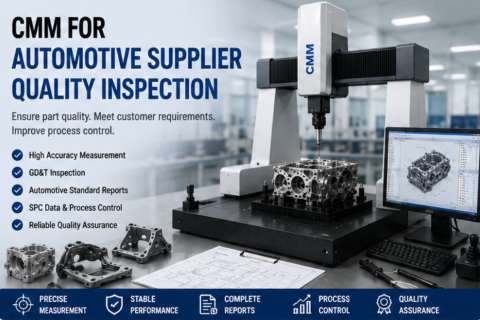
A CMM for automotive supplier quality inspection should support accurate, repeatable, and traceable dimensional measurement. Buyers should evaluate part type, tolerance, GD&T requirements, measuring range, probe system, fixture design, software reporting, SPC data output, and installation environment before selecting a machine. With the right CMM configuration, automotive suppliers can improve first article inspection, batch quality control, customer reporting, and production process stability.
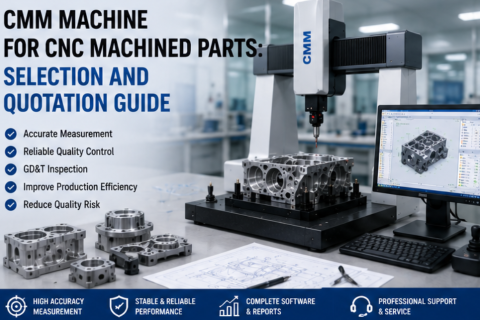
Selecting a CMM machine for CNC machined parts requires a complete review of part size, tolerance, critical features, measuring range, accuracy, probe access, fixture design, software capability, and quotation details. A suitable CMM should help manufacturers verify CNC machining quality accurately, repeatably, and efficiently. By providing drawings, CAD files, tolerance data, measured features, production volume, software requirements, and installation conditions before quotation, buyers can receive a more practical CMM recommendation and reduce procurement risk.
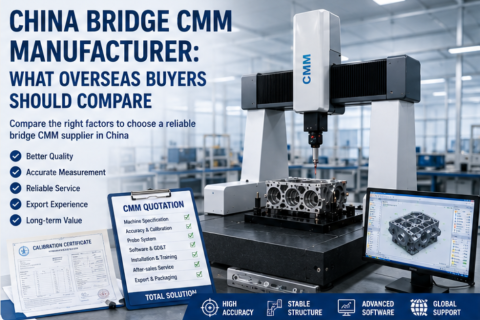
Choosing a China bridge CMM manufacturer requires more than comparing prices. Overseas buyers should compare measuring range, machine structure, accuracy, repeatability, probe system, software capability, calibration support, export packaging, documentation, installation guidance, training, warranty, and after-sales service. A suitable manufacturer should understand the buyer’s parts, tolerances, inspection workflow, and long-term quality goals. By comparing complete CMM solutions instead of only machine prices, overseas buyers can reduce procurement risk and build a more reliable dimensional inspection system.