


- Home
- >
News
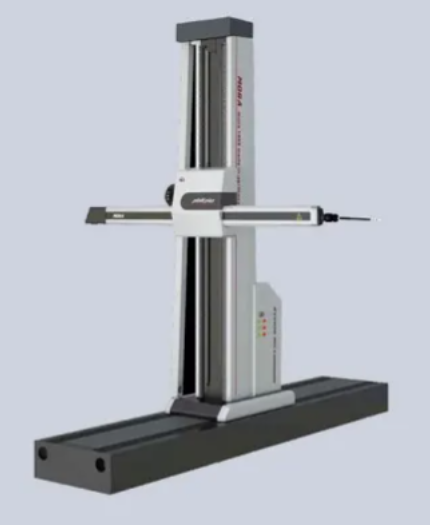
Bridge CMM For Aerospace Brackets And Precision Structural PartsAerospace brackets and precision structural parts often require strict dimensional control because they are used in assemblies where strength, weight, hole alignment, datum relationship, and insta
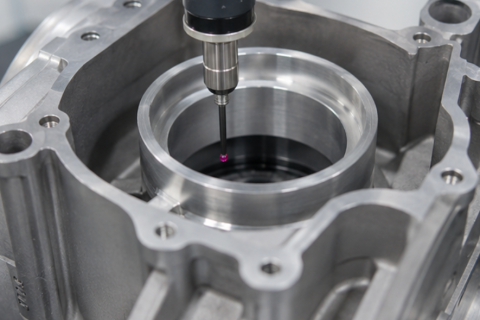
CMM Machine For Bearing Seat Bore And Coaxiality InspectionBearing seat bore and coaxiality inspection are critical for many precision components used in automotive parts, gearbox housings, EV motor housings, transmission housings, pump bodies, reducer housing
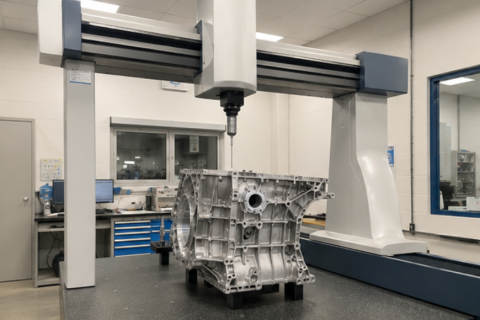
Coordinate Measuring Machine For Transmission Housing And Gearbox Parts InspectionTransmission housings and gearbox parts require accurate dimensional inspection because they directly affect shaft alignment, bearing fit, gear meshing, sealing performance, vibr
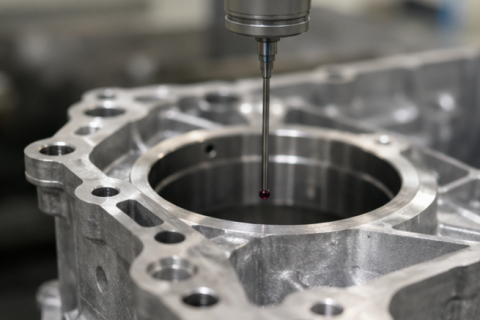
China Bridge CMM Manufacturer For Automotive And CNC Parts SuppliersAutomotive and CNC parts suppliers need reliable dimensional inspection equipment to control product accuracy, reduce rework, support customer approval, and improve production quality. A bridg
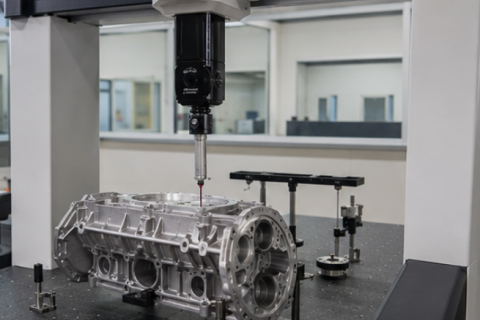
CMM Machine With Renishaw Probe And Industrial Inspection SoftwareA CMM machine with Renishaw probe and GD&T software is suitable for industrial buyers who need reliable dimensional inspection, accurate feature measurement, and clear quality reports. For CNC m
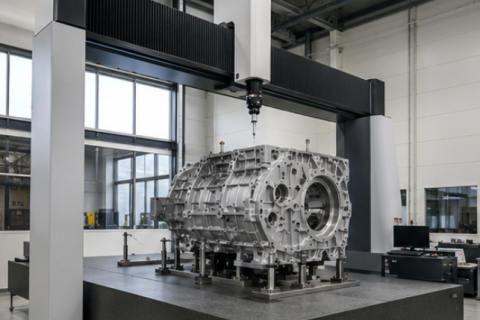
Bridge CMM 1000x1500x800 For Large Aluminum Housing InspectionA bridge CMM 1000x1500x800 is suitable for many factories that need to inspect large aluminum housings, die-cast aluminum components, EV motor housings, gearbox housings, pump bodies, transmission h
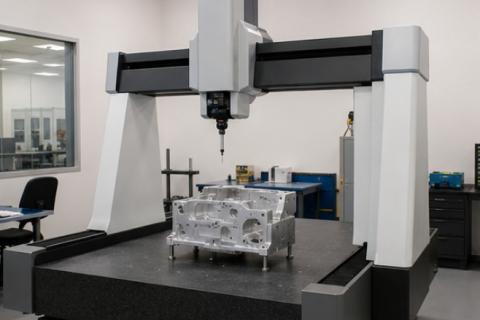
Bridge CMM 800x1000x600 For CNC Machined Parts InspectionA bridge CMM 800x1000x600 is a practical coordinate measuring machine size for many CNC machining factories that inspect medium-size precision parts. It can be used for aluminum housings, machined plates
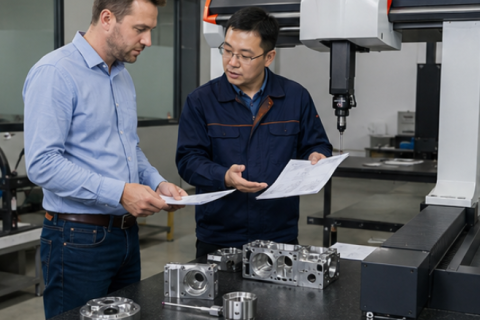
Bridge CMM Machine Price What Overseas Buyers Should Know Before QuotationBridge CMM machine price is one of the first questions overseas buyers ask before purchasing a coordinate measuring machine. However, a reliable quotation cannot be based only on machine
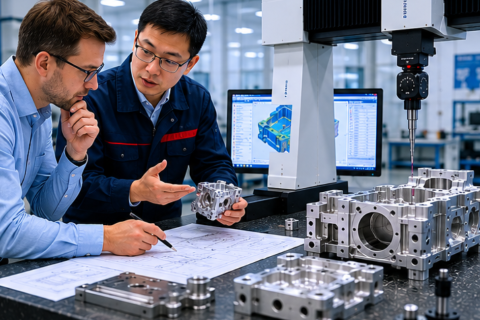
Comparing CMM suppliers from China before importing requires more than checking price and machine size. Buyers should compare application review ability, machine accuracy, measuring range, probe package, software functions, fixture support, calibration documents, export packaging, delivery terms, installation guidance, training, warranty and after-sales service. By providing real drawings, CAD files, tolerance requirements and inspection workflow before quotation, overseas buyers can receive a more suitable CMM recommendation and avoid hidden costs after import.
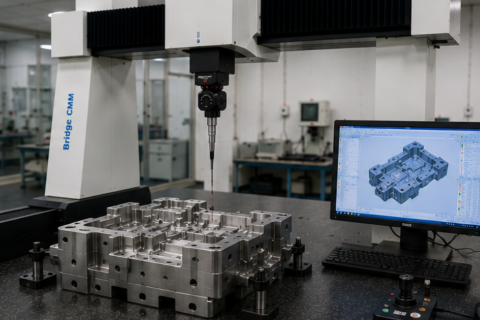
Bridge CMM inspection helps mold manufacturers and tooling factories verify mold inserts, tooling plates, cavity blocks, guide components and custom fixtures before assembly or delivery. The right solution should combine suitable measuring range, stable accuracy, proper probe access, stylus configuration, fixture support, CAD comparison software, GD&T reporting and calibration service. By providing drawings, CAD files, tolerance data, measured features and inspection workflow before quotation, buyers can receive a more practical bridge CMM recommendation for mold inserts and tooling inspection.
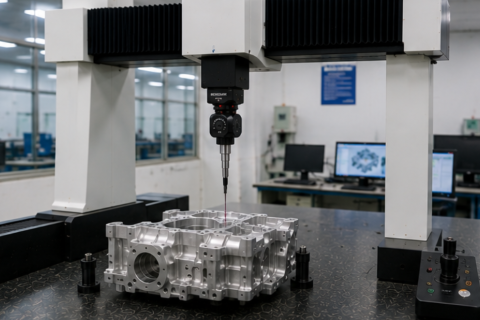
A CMM machine is an important tool for first article inspection in CNC manufacturing. It helps verify critical dimensions, datum relationships, hole positions, bores, flatness, profiles and GD&T features before batch production begins. By using CMM inspection data, factories can correct machining programs, fixtures, tool offsets and process settings before large quantities are produced. The right CMM solution should support accurate measurement, repeatable fixture setup, CAD-based software, automatic FAI reports and long-term quality control.
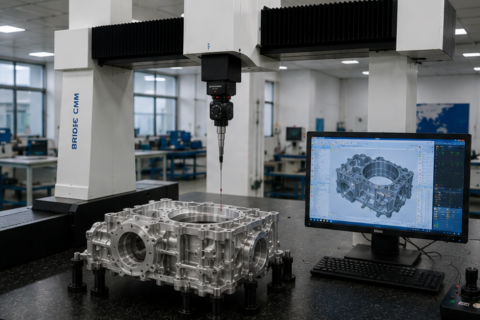
Choosing a China CMM supplier for overseas industrial inspection projects requires more than comparing machine price. Buyers should evaluate machine configuration, measuring range, accuracy, probe system, software, fixture support, calibration, export packaging, installation guidance, training, warranty, and after-sales service. By providing part drawings, CAD files, tolerance data, measured features, and project requirements before quotation, overseas buyers can receive a more practical CMM solution and build a reliable inspection workflow for long-term quality control.