


News
When comparing solutions for complex parts, buyers should prioritise geometry handling, fewer setups, stronger in-process feedback, repeatable inspection, and faster decision-making. Complex parts do not forgive disconnected systems. The best solution is the one that keeps geometry, process, and quality information aligned from setup to final verification.

To reduce procurement risk in a multi-category industrial project, buyers should standardise interfaces early, compare support and maintainability carefully, and buy against a defined process map instead of a list of product features. The lower-risk purchase is usually the one that is easier to connect, support, and operate as one environment.
Precision matters, but repeatability and workflow stability determine whether precision remains useful in production. Buyers should therefore compare the entire process chain rather than relying on a single headline specification.
To evaluate integration well, buyers should ask three questions: does the software help work on the shop floor, does it reduce training burden, and do measurement results flow back into process action? If the answer is yes, the system is integrated in a practical sense, not just a technical one.
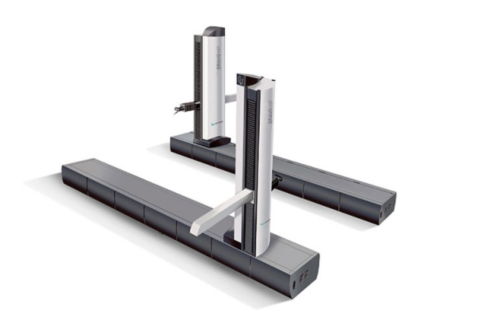
Long-term reliability comes from repeatable sensing, protected cutting processes, and maintainable equipment. Buyers should therefore evaluate not only how accurate a system is today, but also how well it can stay accurate, stay monitored, and stay serviceable over time.
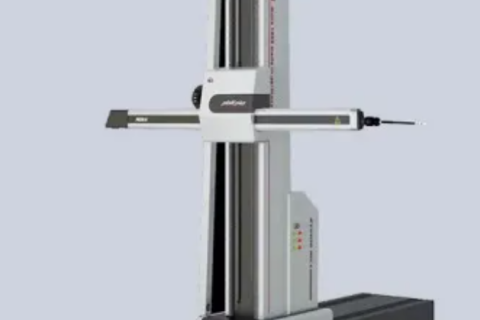
To reduce setup errors and inspection delays, buyers should automate setup, move measurement closer to machining, and improve reporting speed at the same time. The best investment is the one that reduces manual touches, unnecessary movement, and slow decision-making.
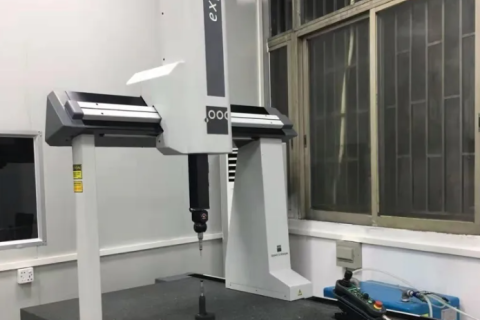
System compatibility matters more than single-product performance because production success depends on connection, not isolation. The strongest purchase is usually the system that fits current controllers, supports future software growth, and integrates smoothly into the production cell.
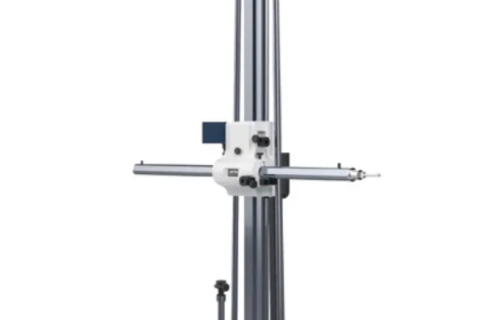
The right combination is not the one with the most devices. It is the one where each device has a clear role: CMM for deeper verification, probe for setup and in-process correction, tool setter for tool condition and compensation, and software for connection and reporting. When those roles are defined clearly, buyers get a system instead of a collection of products.
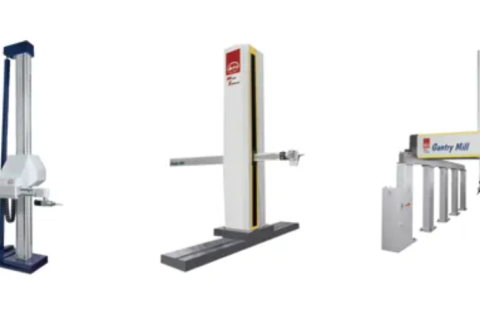
An efficient measurement and machining workflow is built by removing manual setup, moving inspection closer to machining, and adding automation only where it improves repeatability and throughput. The right purchase is the one that helps work move forward faster with fewer interruptions, not the one that simply adds more hardware.
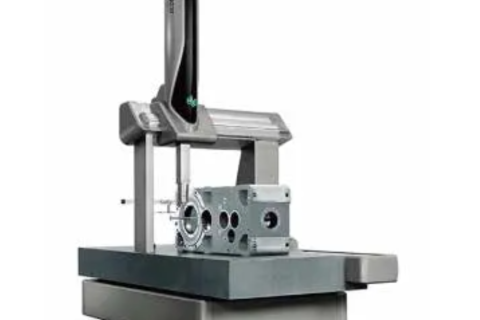
The right comparison is never just price versus price. For mixed measurement and machining environments, buyers should compare process value, integration effort, and uptime protection as one connected system. The lower quote is only the better choice when it also supports faster setup, smoother integration, and more stable long-term production.