


What Should Buyers Check Before Building A More Efficient Measurement And Machining Workflow
2026-04-22 14:29For manufacturers trying to improve throughput, the goal is not simply to buy more equipment. The goal is to remove wasted setup time, shorten inspection delays, and make measurement data useful inside the machining process. That goal fits InnoVaMeld’s current public product mix very well, because the site presents measurement software, probes, CMMs, tool setters, machining centres, and control devices as parallel categories rather than isolated items.
Start With Where Time Is Being Lost
The first thing buyers should check is where time is actually being lost. Renishaw states that automated setting using probing can be up to ten times quicker than manual methods, and its older setup materials say probing can reduce set times by up to 90% while cutting scrap and downtime. Haas’ WIPS materials also highlight quick work offset definition, tool offset setting, and in-process inspection as major productivity gains. That means a more efficient workflow often starts with fewer manual steps, not with more machine speed.
Check Whether Measurement Happens Inside The Process
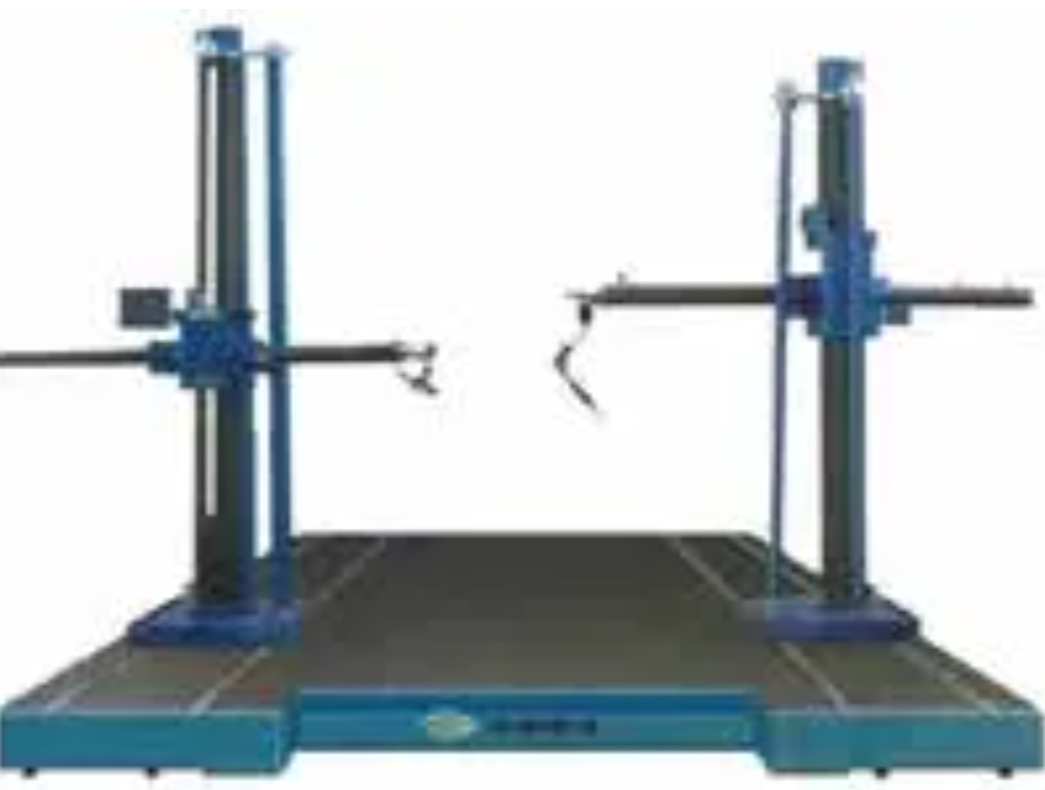
The second point is whether measurement happens inside the process or only after machining. BLUM explicitly promotes in-process workpiece measurement in the original setup as a way to replace time-consuming intermediate steps, while its measuring components materials emphasize continuous process chains, 24/7 manufacturing, and early error detection. Buyers trying to build an efficient workflow should therefore compare how much measurement can be moved closer to the machine and how much feedback can be used before bad parts continue to run.
Check Whether Automation Improves Throughput Without Extra Complexity
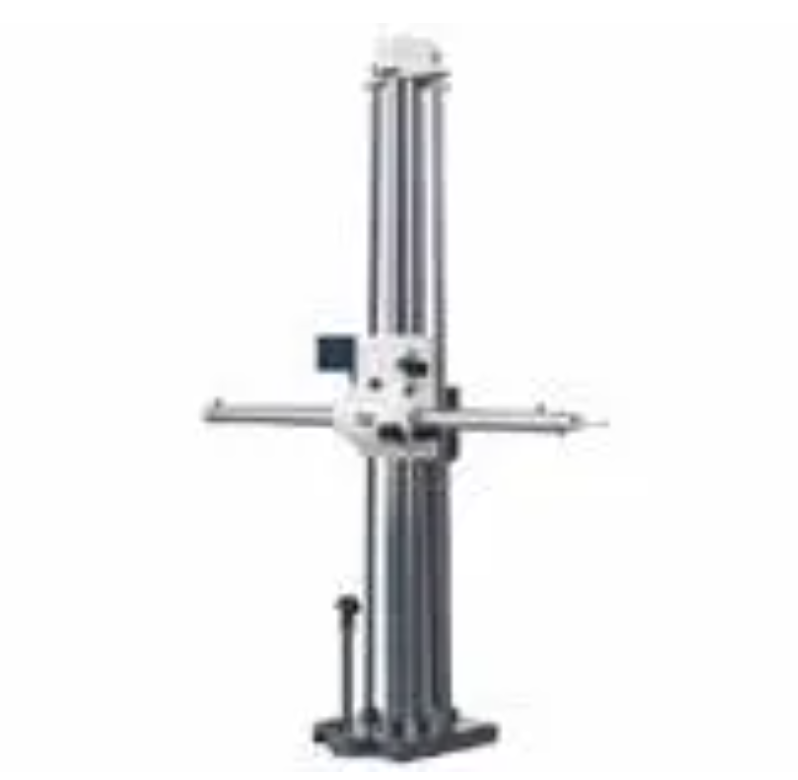
The third point is automation quality. ZEISS says automated loading and integration solutions can increase machine utilization and throughput, while its automated metrology materials stress repeatability and faster inspection versus manual methods. InnoVaMeld’s own site is also publishing content about CNC automation in CMMs increasing throughput and repeatability, which means this is already part of the market language around the categories it lists. Buyers should therefore ask whether automation actually simplifies operation or merely adds another layer of engineering.
An efficient measurement and machining workflow is built by removing manual setup, moving inspection closer to machining, and adding automation only where it improves repeatability and throughput. The right purchase is the one that helps work move forward faster with fewer interruptions, not the one that simply adds more hardware.