


News
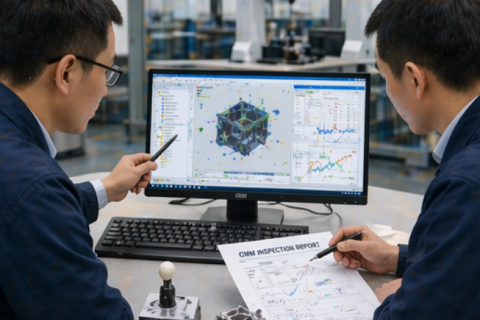
Reducing measurement errors in CMM inspection requires a complete process approach. Manufacturers should control the environment, stabilize workpieces, use repeatable fixtures, select and calibrate probes correctly, standardize software programs, train operators, and verify measurement repeatability. A CMM is only as reliable as the full inspection system around it. By improving each part of the measurement process, manufacturers can reduce inspection uncertainty, avoid false quality decisions, and build a more stable dimensional control system.
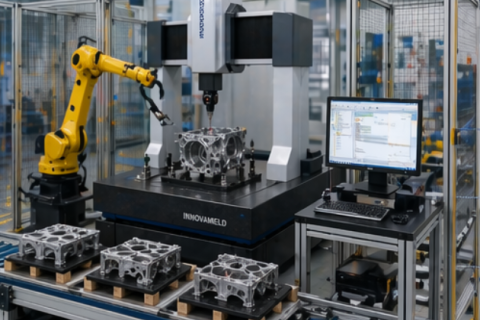
Manual, CNC, and automated CMM systems serve different inspection needs. A manual CMM is flexible and suitable for low-volume or changing inspection tasks. A CNC CMM is better for repeatable measurement, batch inspection, and standardized quality reports. An automated CMM system is designed for high-volume production, automatic handling, and data-connected quality control. Buyers should evaluate part variety, inspection volume, tolerance requirements, operator skill, software needs, reporting requirements, and future automation plans before selecting the right system.
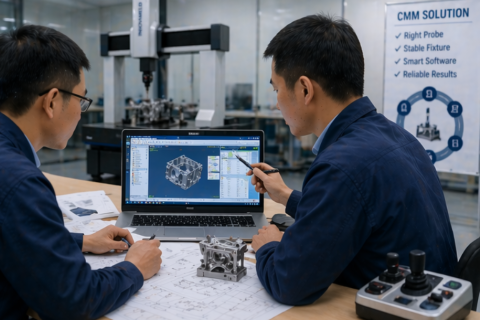
Choosing CMM probes, fixtures, and measurement software together is essential for reliable industrial inspection. The probe determines how data is collected, the fixture determines how repeatably the part is positioned, and the software determines how measurement data becomes usable quality information. Buyers should start from part drawings, tolerances, geometry, inspection frequency, and reporting requirements, then build a complete measurement package around the real application. A well-matched CMM inspection system can improve accuracy, repeatability, productivity, and long-term quality control.
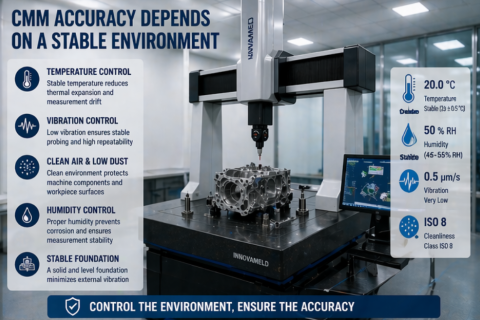
Temperature, vibration, dust, humidity, air quality, floor stability, and installation layout all affect CMM accuracy. A high-performance coordinate measuring machine can only deliver stable results when the environment is properly controlled. Buyers should evaluate the installation site before ordering or installing the machine, especially when measuring tight tolerances, aerospace components, automotive parts, molds, and precision machined components. By preparing a suitable environment, manufacturers can improve repeatability, reduce measurement errors, and get more reliable inspection results from their CMM system.
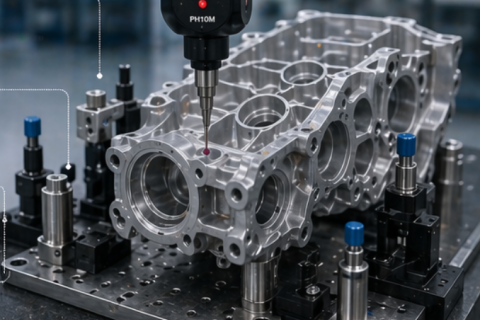
Before ordering a CMM machine, buyers should carefully check inspection requirements, part size, measuring range, accuracy, repeatability, probe configuration, fixture needs, software functions, installation environment, calibration support, training, and after-sales service. A CMM should not be selected only by price or catalog specifications. It should be selected as a complete measurement solution that fits real parts, real tolerances, and real production workflows. With a thorough pre-order review, buyers can reduce procurement risk, avoid configuration mistakes, and build a more reliable industrial inspection process.
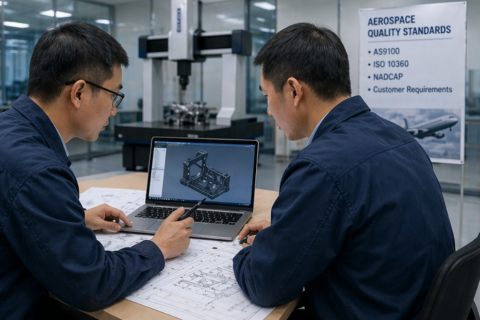
Choosing a CMM for aerospace component measurement requires a complete evaluation of part geometry, tolerance level, measuring range, machine structure, probe system, fixture stability, software capability, environmental control, and reporting traceability. A suitable CMM should not only measure accurately, but also deliver repeatable, documented, and trustworthy inspection results. By preparing drawings, CAD files, tolerance data, inspection purpose, and installation conditions before quotation, buyers can select a CMM solution that better supports aerospace quality control and long-term production requirements.
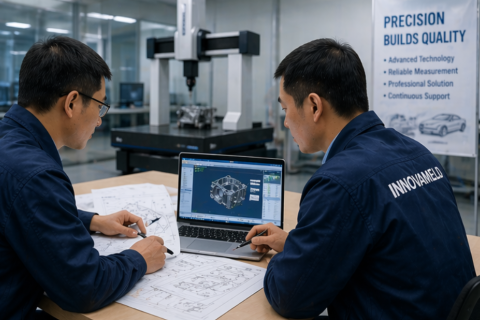
Selecting a CMM for automotive parts inspection requires a complete evaluation of part size, tolerance, geometry, inspection volume, fixture method, probe access, software reporting, and production environment. For many automotive applications, a bridge CMM with suitable accuracy, stable repeatability, proper probe configuration, and strong software capability can provide reliable dimensional inspection. For high-volume or specialized applications, customized fixtures, scanning probes, automated programs, and data integration may also be required. The best CMM solution is the one that supports accurate, repeatable, and efficient inspection for real automotive production needs.
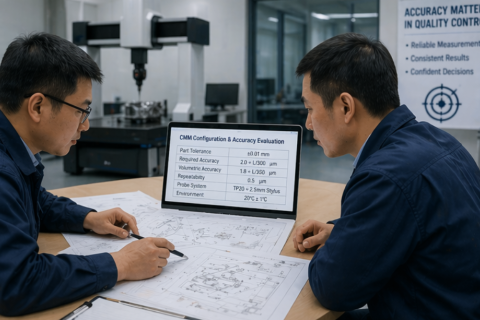
When buying a CMM machine, the most important accuracy is the accuracy that supports reliable inspection for your actual parts. Buyers should evaluate volumetric accuracy, repeatability, probing accuracy, thermal stability, calibration standard, and measurement uncertainty in relation to real tolerance requirements. A suitable CMM is not simply the machine with the highest accuracy specification. It is the machine that delivers stable, repeatable, and trustworthy measurement results in your working environment. Before purchasing, prepare part drawings, tolerance data, inspection frequency, and installation conditions so that the CMM configuration can be matched to your real industrial inspection needs.
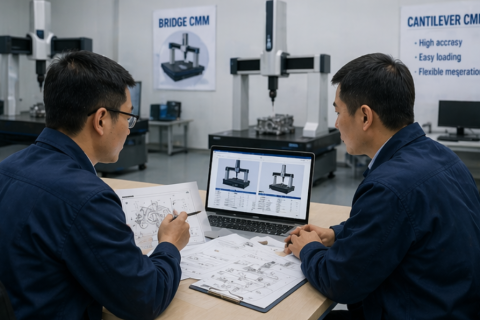
Bridge CMM and cantilever CMM each have their own advantages. A bridge CMM is generally preferred for stable high-accuracy inspection, complex parts, CNC measurement, and long-term quality control. A cantilever CMM is useful when open access, fast handling, and flexible operation are important. Before making a purchase decision, buyers should review part size, tolerance level, measurement frequency, loading method, installation environment, software needs, and future inspection plans. With the right evaluation process, manufacturers can choose a CMM structure that improves measurement reliability and inspection efficiency.
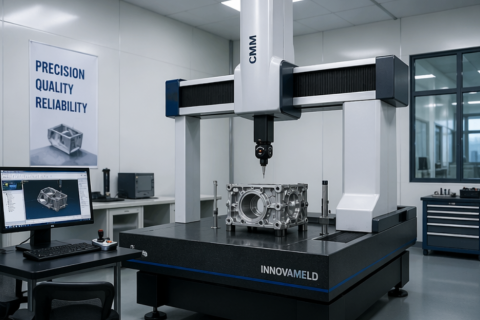
Choosing a coordinate measuring machine for industrial inspection requires a practical and application-driven approach. Buyers should begin with the actual part and inspection objective, then evaluate measuring range, accuracy, machine structure, software, probe system, environment, and future automation potential. A well-selected CMM can improve inspection reliability, reduce production risk, and support long-term quality control across different industrial applications. If you are planning a new inspection project or upgrading your current measurement capability, preparing the right technical information in advance will help you choose a more suitable and cost-effective solution.