


News
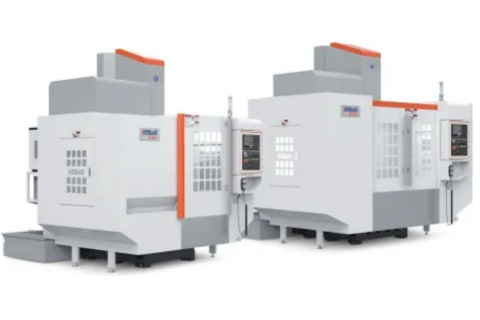
The right high-performance VMC for precision and heavy-duty cutting is the one that matches your real production mix, not the one with the single biggest headline number. Buyers should compare machine structure, spindle/taper configuration, thermal control, vibration behavior, chip removal, and coolant delivery as one connected system. When those elements are matched correctly, a VMC can rough aggressively, finish accurately, and stay stable over long production runs. When they are mismatched, even an expensive machine can become inefficient, unstable, or overly specialized.
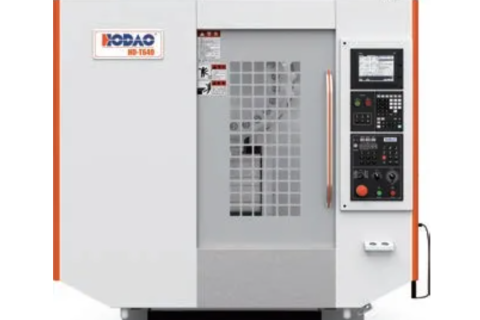
Long-term reliability in a drill/tap center is determined less by a single headline specification and more by a chain of connected factors: spindle stability, thermal control, structural rigidity, tool changer durability, chip and coolant management, tapping consistency, maintenance visibility, and recovery support. The better purchase is usually not the machine that looks fastest in a short demo, but the one that stays accurate, stays stable, and stays serviceable after years of real drilling and tapping production.
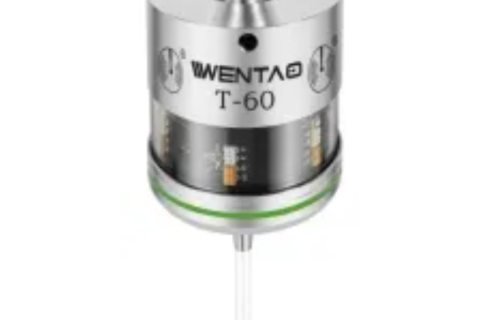
To evaluate infrared probe performance under coolant, chips, and shop-floor interference, buyers should focus on three things: transmission reliability, measurement stability under contamination and vibration, and proof of performance under real acceptance conditions. The right infrared probe is not simply the one with a good repeatability number. It is the one that keeps transmitting, keeps triggering correctly, and keeps measuring consistently when the machine is running the way real shops actually run.

Comparing industrial joysticks beyond initial price means comparing the things that actually determine long-term value: interface compatibility, mounting fit, Hall-effect precision, grip and switch layout, redundancy options, sealing, lifecycle, and environmental robustness. The joystick with the lowest quote is not always the lowest-cost choice in real operation. The better investment is usually the one that integrates faster, controls more precisely, lasts longer, and creates less downtime risk over the life of the machine.
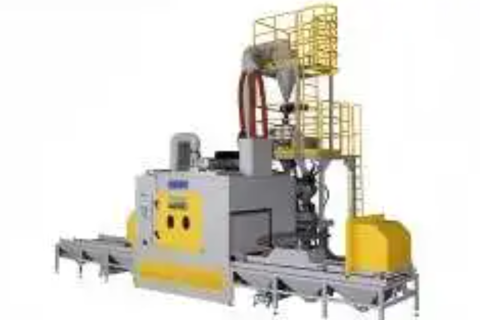
To evaluate coverage consistency in a CNC shot peening process, buyers should focus on three things: whether coverage is defined and verified correctly, whether the machine controls the real drivers of uniformity, and whether the process is monitored and documented well enough to prove repeatability in production. A system that only promises automation is not enough. The better investment is the one that can demonstrate stable media flow, repeatable blast motion, part-specific programming, and clear verification methods for critical areas. In procurement terms, consistent coverage is not a cosmetic detail. It is one of the clearest signs that the peening process is genuinely under control.
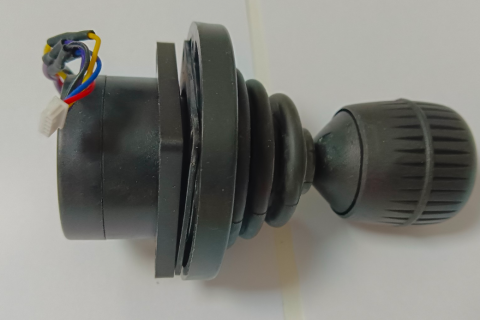
Before choosing a PTZ joystick for professional camera control, buyers should focus on three things above all: protocol compatibility, real multi-camera workflow efficiency, and operator-side control quality. A joystick that fits the cameras, streamlines presets and preview, and gives operators faster, more confident control will usually create more value than one chosen only by price or appearance. In serious production environments, the right PTZ joystick is not just a controller. It is a workflow tool that directly affects speed, consistency, and shot quality.
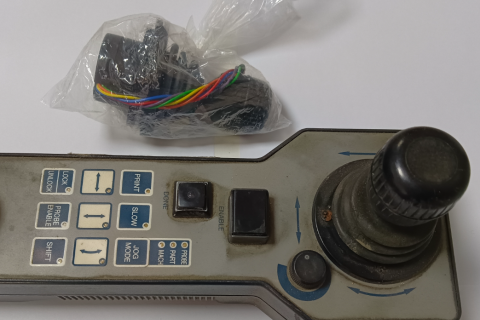
Hall effect technology matters in 3-axis joystick selection because it changes the things buyers care about most: precision, wear resistance, environmental reliability, integration flexibility, and long-term ownership cost. In applications where the joystick is a serious operator interface rather than a simple directional input, Hall effect is often not an optional upgrade but a practical requirement. The best purchasing decision is not to choose Hall effect automatically in every case, but to understand when its advantages directly support the control task, the environment, and the lifetime expectations of the equipment.
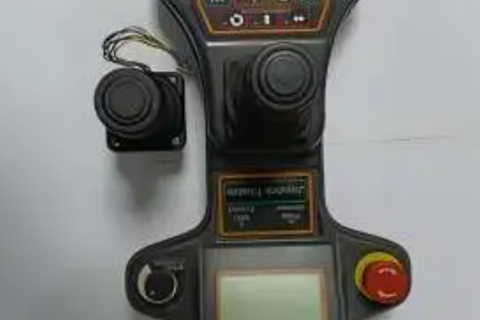
Comparing USB joysticks beyond initial price means looking at what really affects performance and cost over time: interface compatibility, axis and button layout, sensor technology, control feel, ergonomics, lifecycle, sealing, and flexibility for future use. The lowest quote may look attractive on paper, but the better purchase is usually the joystick that integrates smoothly, controls accurately, feels better in daily use, and lasts longer in the real application. That is where the true return on investment is created.
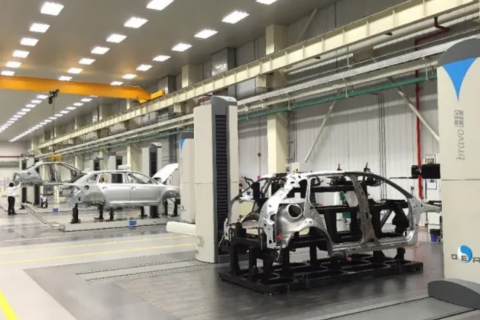
In clay model cutting, speed helps, but surface finish drives the real value. A smoother, more accurate milled surface reduces hand work, improves design review quality, supports better rescanning and iteration, and often shortens the true project cycle more than raw cutting speed alone. The smartest buyers therefore evaluate clay milling machines by asking not just how fast they cut, but how well they cut, how consistently they hold visible surfaces, and how efficiently they move a model into decision-ready form. That is why, in serious procurement, surface finish matters more than speed.
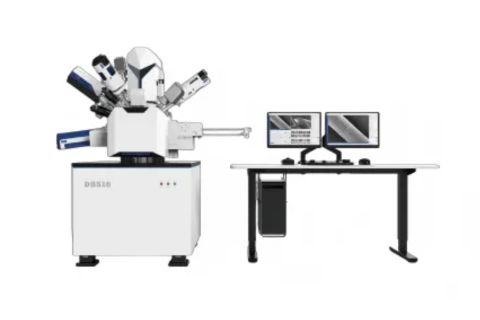
Before investing in a dual-beam microscope, buyers should check three things above all: whether the system truly fits the intended application, whether milling and automation performance can support repeatable workflows, and whether the total long-term value justifies the investment. The right decision is not about buying the most advanced label on the market. It is about choosing a platform that can deliver reliable analytical output, efficient sample preparation, and scalable performance for future research or industrial inspection needs.