


What Determines Long-Term Reliability In A Drill/Tap Center
2026-04-09 20:59When buyers evaluate a drill/tap center, the fastest cycle time and highest spindle speed usually get the most attention. But long-term reliability is what protects production over the next three, five, or even ten years. In real use, a reliable drill/tap center is not just a machine that runs fast on day one. It is a machine that keeps holding accuracy, keeps changing tools smoothly, keeps tapping consistently, and keeps downtime under control after long hours of drilling, tapping, and repeated stop-start production. Official machine-tool materials repeatedly link long-term reliability to rigid structure, thermal control, spindle health, preventive maintenance, and maintainability rather than to speed alone.
Spindle Health, Thermal Control, And Structural Rigidity Come First
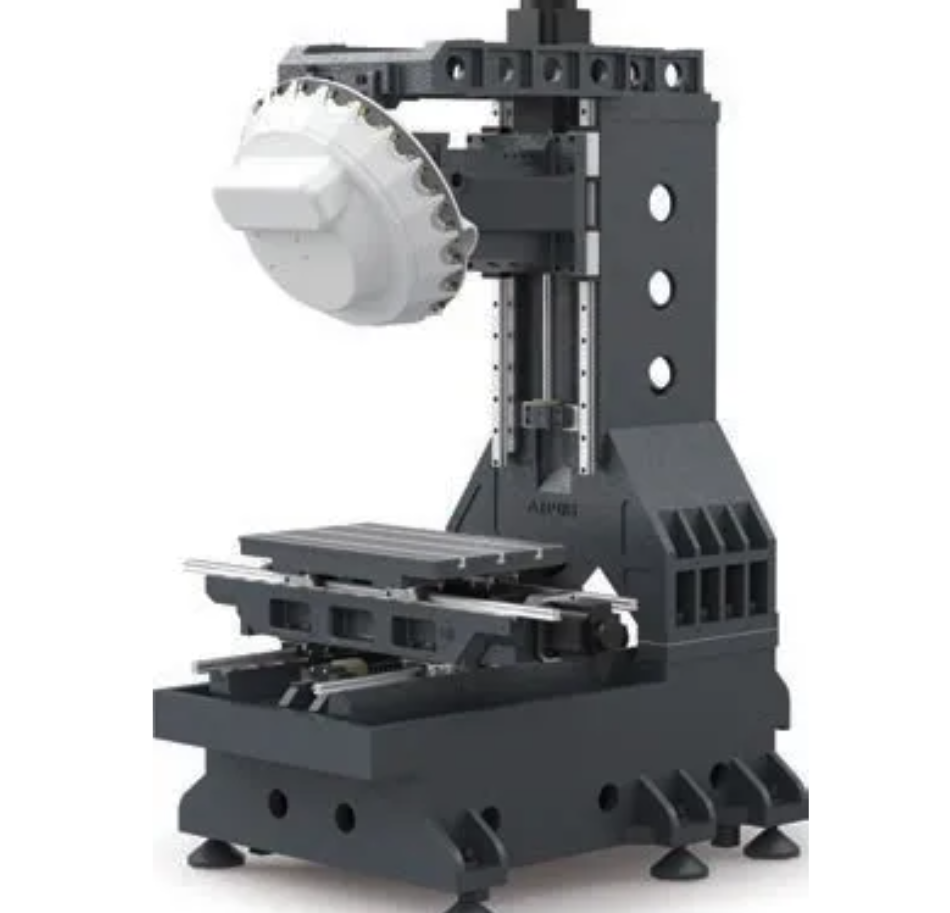
The first thing that determines long-term reliability is the machine’s core mechanical stability. Makino’s PS65/PS105 materials explicitly connect reliability to rigid machine design, core-cooled ball screws, and thermally controlled lubrication oil delivered through the ball screw and support bearing. Makino also states that this approach improves axial motion, accuracy, and extended reliability while extending component life span. For buyers, that matters because a drill/tap center spends its life repeating high-speed acceleration, deceleration, drilling, and tapping cycles. If heat and structural movement are not controlled, reliability problems usually appear first as drifting accuracy, unstable hole quality, and premature motion-component wear.
Spindle design is just as important. Makino describes its spindle package as stiff, rigid, and balanced, with large-diameter bearings intended to eliminate spindle deflection and support a stable cutting process. That is highly relevant in drill/tap work because long-term reliability is not only about whether the spindle turns; it is about whether it stays stable under repeated small-hole drilling, tapping loads, and production-speed tool engagement over time. Buyers should therefore compare spindle construction, bearing support, thermal behavior, and real cutting stability instead of focusing only on maximum RPM.
Maintenance-related spindle issues are another major part of reliability. Haas’ spindle troubleshooting guidance shows how lubrication faults, worn belts, incorrect drawbar force, imbalance, damaged toolholders, and excessive heat can all create reliability problems or shorten spindle life. Haas specifically notes that insufficient or excessive oil supply can overheat spindle bearings, and that worn belts, incorrect clamp force, and poor tooling condition can create additional instability and damage risk. For procurement, that means the better machine is usually the one designed to protect spindle health through proper lubrication, stable thermal behavior, and easier inspection of wear points.
Tool Changer Reliability, Chip Control, And Stable Tapping Matter More Than Brochure Speed
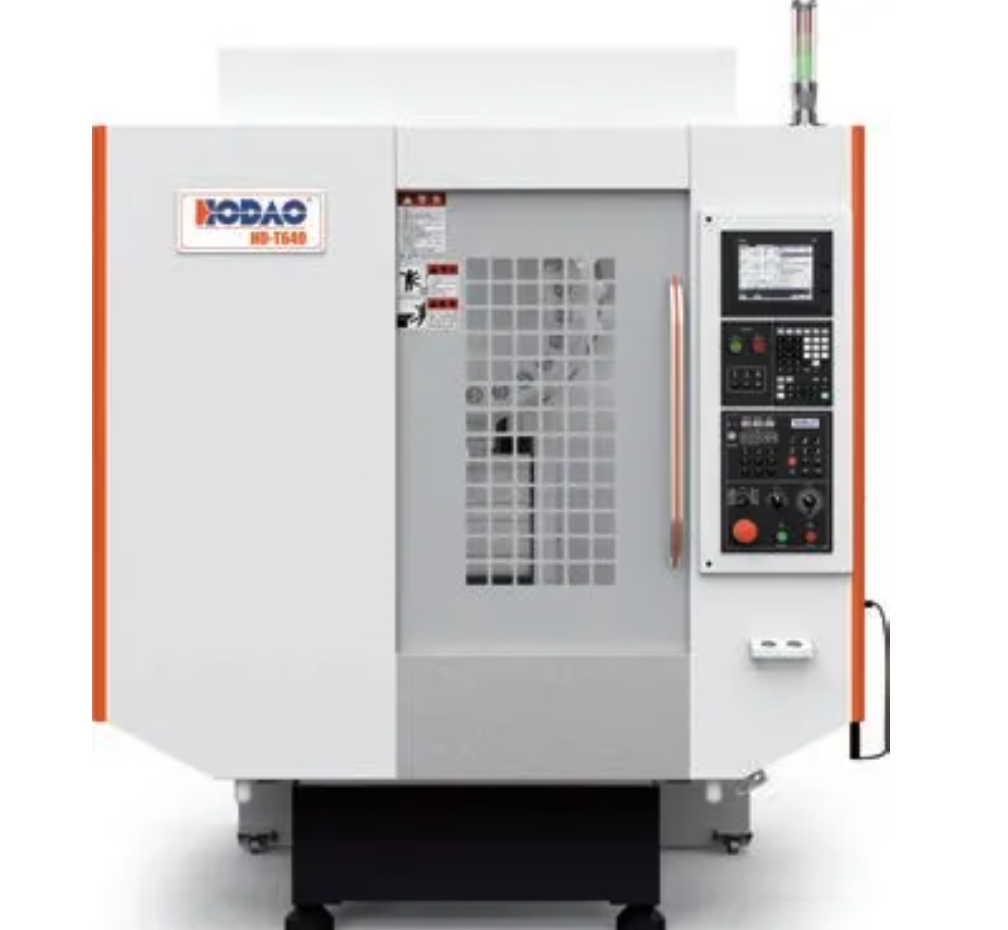
The second major reliability factor is how well the machine handles repetitive production motion outside the spindle itself. FANUC’s ROBODRILL materials repeatedly highlight a patented high-speed tool changer, describe it as offering the best reliability in its class, and pair that claim with easy preventive maintenance and long machine life. FANUC also emphasizes stable machining, high repeatability, and easy maintenance access to components. For buyers, that is a strong reminder that long-term reliability in a drill/tap center depends heavily on the automatic tool changer, turret or magazine behavior, and the machine’s ability to keep rapid tool swaps smooth after thousands of daily cycles.
Chip and coolant management are just as important, especially in drilling and tapping work. FANUC’s current ROBODRILL materials list 70-bar center-through coolant for deep and small-diameter drilling, and the brochure also describes the machine as suitable for high-speed work involving lots of swarf. That suggests an important procurement principle: long-term reliability improves when the machine can keep chips moving out of the cut and avoid repeated chip recutting, tool loading, and heat buildup around drilled holes and tapped features. In practice, buyers should therefore look carefully at through-spindle coolant, enclosure layout, chip evacuation strategy, and how the machine behaves in high-chip-volume applications rather than assuming reliability from spindle speed alone.
Tapping stability is another overlooked reliability issue. FANUC’s brochure highlights smart rigid tapping and stable machining as productivity features, but they also matter for reliability because poor synchronization, unstable spindle load, or repeated chip packing can damage taps, raise breakage rates, and create unpredictable downtime. A machine that protects tapping consistency over long unattended or semi-automated runs often delivers more long-term value than one that only offers impressive speed numbers during short demonstrations.
Preventive Maintenance, Early Warning, And Recovery Speed Decide Real Uptime
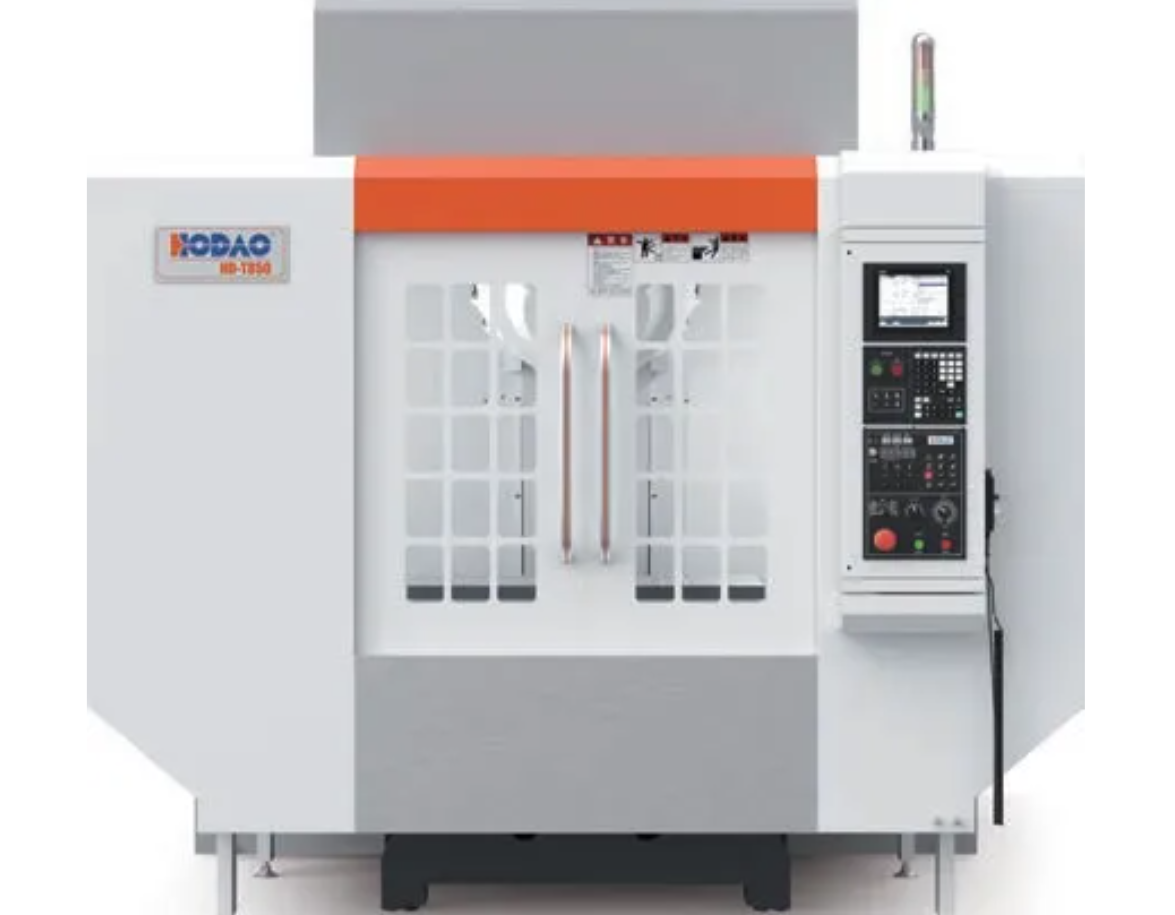
The third factor is how easy the machine is to maintain before problems become expensive. FANUC’s ROBODRILL brochure states that on-board monitoring helps keep preventive maintenance focused, timely, and necessary, and the current product page adds a dedicated maintenance screen, full maintenance planning, early issue detection, and easy access to components. These features matter because long-term reliability is rarely just a hardware story. It is also a visibility story. Machines last longer when operators and maintenance teams can see warnings early, schedule service correctly, and recover quickly when something goes wrong.
Support structure also affects long-term reliability more than many buyers expect. FANUC’s support pages describe predictive, preventive, and reactive maintenance options, technical helplines, field service, recertification, and access to manuals and spare parts. That means reliability should be judged not only by the machine’s original build quality, but also by how easily the owner can keep it productive after years of real use. A machine that is easy to support, easy to diagnose, and easy to restore will usually protect uptime better than one that forces long waits or difficult troubleshooting.
This is why the smartest buyers compare a drill/tap center as a long-term production system, not a one-time equipment purchase. They ask whether the machine controls heat well, whether the ATC and tapping cycle remain stable, whether chip handling supports drilling reliability, whether maintenance tasks are visible, and whether recovery from normal wear is straightforward. Those questions usually say more about long-term uptime than spindle speed or rapid traverse alone.
Long-term reliability in a drill/tap center is determined less by a single headline specification and more by a chain of connected factors: spindle stability, thermal control, structural rigidity, tool changer durability, chip and coolant management, tapping consistency, maintenance visibility, and recovery support. The better purchase is usually not the machine that looks fastest in a short demo, but the one that stays accurate, stays stable, and stays serviceable after years of real drilling and tapping production.