



Why Surface Finish Matters More Than Speed In Clay Model Cutting
2026-04-02 20:19When buyers evaluate a clay model cutting machine, speed is often the first number that gets attention. Fast traverse rates, high spindle speed, and shorter machining cycles all sound attractive. But in real design studio work, surface finish usually matters more than raw cutting speed. Clay milling is not just about removing material quickly. It is about producing a smooth, accurate, visually reliable surface that helps designers review form, proportion, reflections, and transitions with minimal hand correction. In automotive clay modeling and other styling workflows, the machine is part of a full design-verification loop, not just a rough-cutting tool. Official sources in this sector consistently emphasize surface quality, precise cuts, repeatability, and workflow efficiency as the real decision points.
Surface Finish Directly Affects Design Review Quality
A clay model is not simply a prototype block. It is a visual and physical decision-making tool. In professional transportation design workflows, clay models are milled from digital surface data and then reviewed, refined, rescanned, and updated repeatedly. Jaguar Land Rover’s public description of its design studio shows that full-scale clay models are milled from CAS data, then “slicked” and refined by clay sculptors, scanned again, and adjusted through an ongoing digital-physical loop. That means the better the milled surface is at the start, the faster and more accurately the design team can judge reflections, contours, and transitions.
This is why surface finish matters more than simple speed. A fast machine that leaves uneven tool marks, inconsistent transitions, or visible patch lines can slow the project down because more manual smoothing is needed before the model becomes review-ready. Siemens’ TARUS case study states that “surface quality, precise cuts, cycle times and reliability are critical,” and adds that precise cutting tools produce the desired surface finish and can eliminate time-consuming hand sculpting. TARUS also says customers are achieving a higher-quality surface that rarely requires smoothing by hand. In real procurement terms, that means finish quality has a direct impact on labor hours, review readiness, and iteration speed.
For buyers, the key point is simple: the machine that produces the smoothest usable model often creates the fastest overall workflow, even if its brochure speed is not the highest. In styling and surface verification, the goal is not just fast removal of clay. The goal is a model that can move quickly into evaluation with less correction, less rework, and better design confidence.
Better Surface Finish Comes From Machine Stability, Tooling, And Motion Control
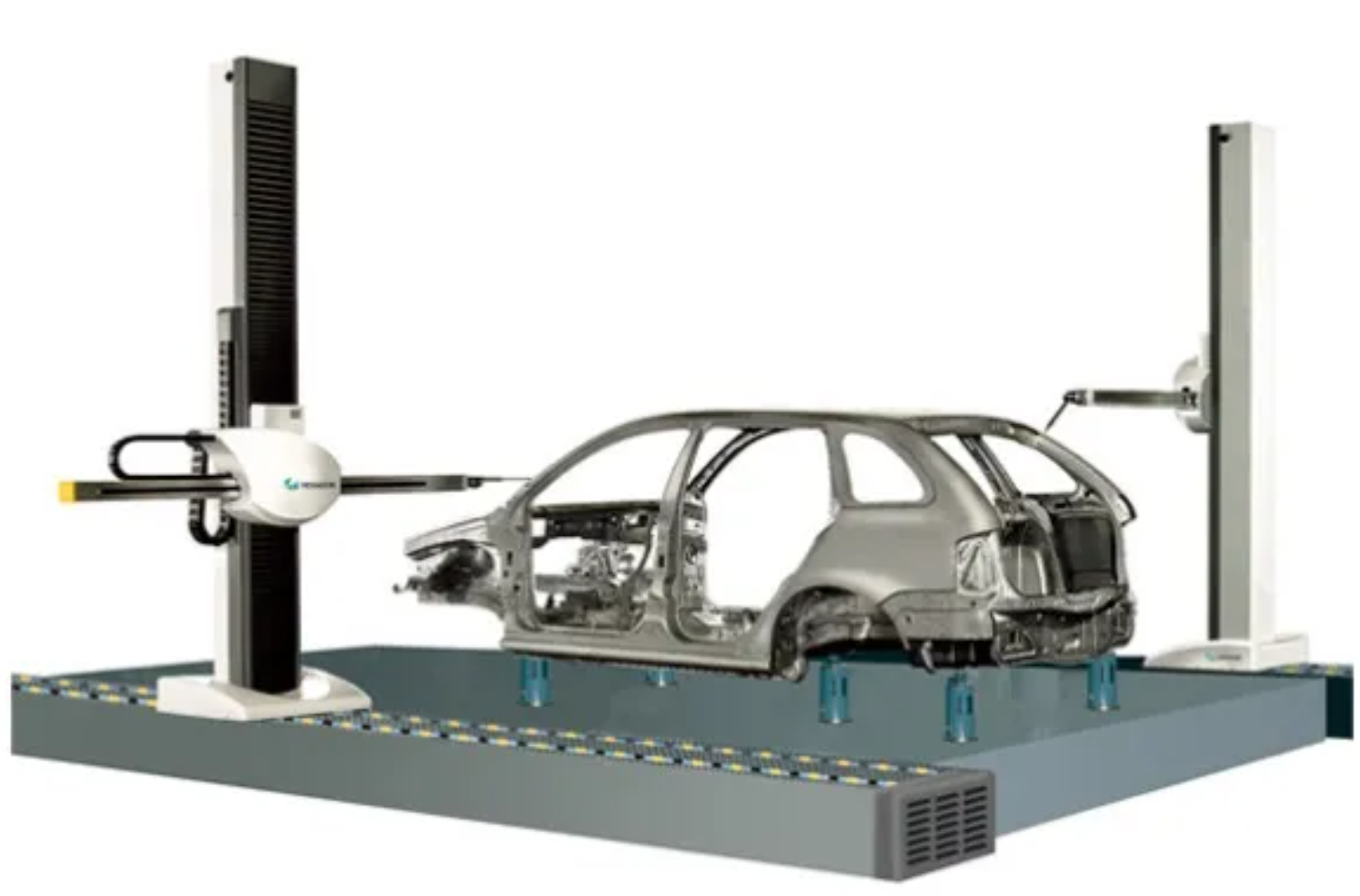
If buyers want better surface finish, they need to look past marketing terms and study what actually creates it. Public machine information in this category points to several recurring factors: machine rigidity, motion smoothness, spindle and tool selection, 5-axis path quality, and control performance. TARUS states that greater structural integrity and a more rigid machine directly translate into outstanding surface finish, and its Claymill product page says its monocoque structure supports stronger components, better speed, and better finish. The same page also highlights a fork-style milling head designed to deliver “perfectly blended adjacent surface patches,” which is highly relevant for visible styling surfaces.
Tooling and spindle configuration also matter more than many buyers expect. Tokyo Boeki North America’s Laymatic selection guide says plainly that the required surface finish determines spindle and tool selection. Its product pages describe different machine roles: one model prioritizes high-speed precision, another focuses on balanced studio use, while others are optimized for mobile or large-format work. In other words, buyers should not assume that one machine setup fits every design studio requirement. The target material, model size, expected finish quality, and whether the machine will cut clay only or also foam and resin all influence the right configuration.
Motion quality is another make-or-break issue. Siemens’ TARUS case study ties high-quality surfaces to fluid, highly precise high-speed cutting paths enabled by advanced 5-axis kinematics. TARUS also highlights acceleration, reduced backlash, and quiet, stable cutting behavior. For buyers, this means that surface finish is not just about spindle rpm. It is about how the entire system moves, blends surfaces, and maintains consistency across long tool paths and large-scale models.
Speed Still Matters, But Finish-Driven Throughput Creates Better ROI
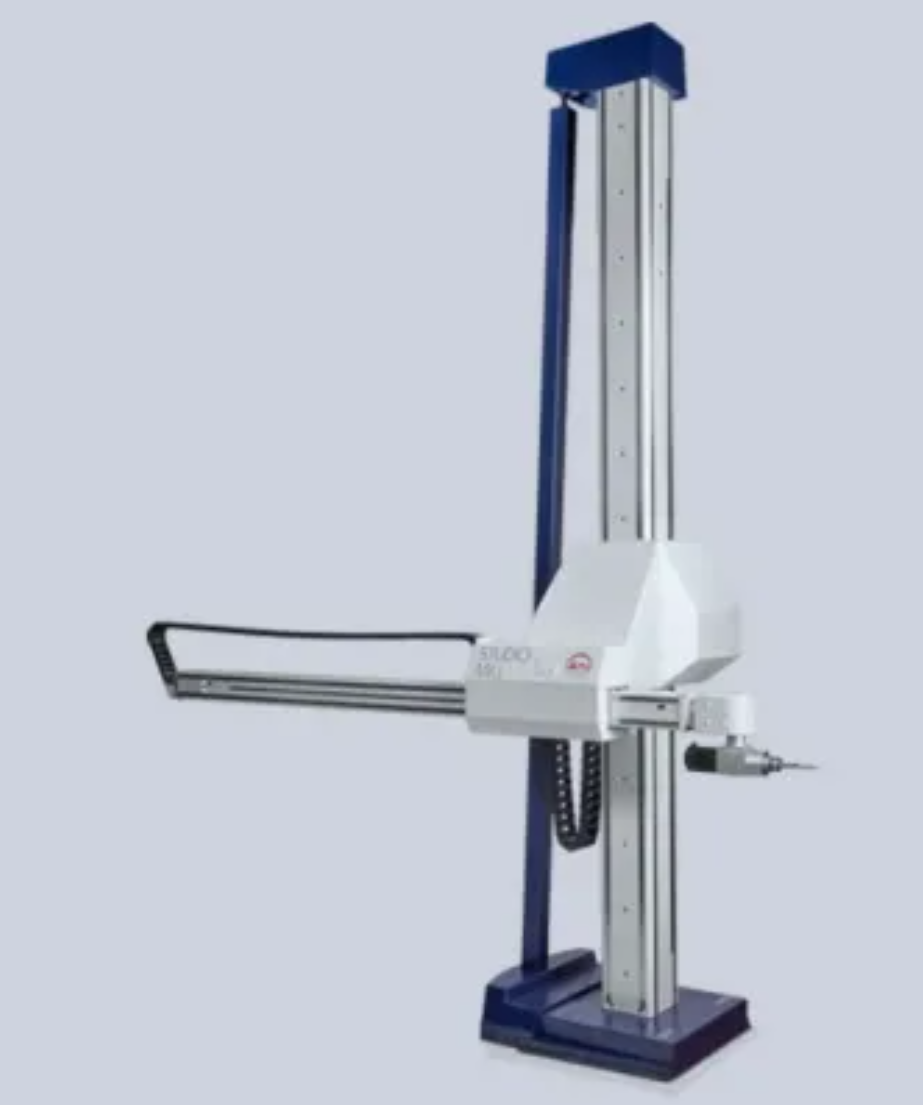
This does not mean speed is unimportant. Speed absolutely matters in a design studio, especially when teams need overnight milling, rapid iteration, and shorter review cycles. Tokyo Boeki’s guide specifically asks buyers whether high-speed milling and unattended overnight operation are required. Siemens also reports that SINUMERIK ONE brought TARUS roughly 30% more processing power and significantly improved throughput. So yes, speed has value. But the more important procurement question is whether higher speed actually produces useful throughput or just faster roughing followed by more cleanup.
Useful throughput means getting from digital surface data to a model that is ready for design evaluation with minimal additional effort. If a slightly slower machine delivers cleaner surfaces, better blended patches, less hand correction, and more predictable repeatability, it may generate better return on investment than a faster machine that creates more downstream labor. TARUS explicitly markets “Class-A surfaces,” while Tokyo Boeki emphasizes clean, consistent finishes and repeatable operation for different studio environments. Those claims reflect what buyers should really compare: not speed alone, but speed multiplied by finish quality and workflow stability.
So before investing, buyers should ask a practical set of questions. How much hand smoothing is still required after milling? How well does the machine hold finish quality over long surfaces? Is the motion stable enough for visible exterior forms? Can the same machine maintain finish consistency across different operators and repeated jobs? Does the chosen configuration match the materials and surface targets your team actually uses? Buyers who ask these questions usually make better decisions than those who only compare cutting speed, spindle rpm, or traverse numbers.
In clay model cutting, speed helps, but surface finish drives the real value. A smoother, more accurate milled surface reduces hand work, improves design review quality, supports better rescanning and iteration, and often shortens the true project cycle more than raw cutting speed alone. The smartest buyers therefore evaluate clay milling machines by asking not just how fast they cut, but how well they cut, how consistently they hold visible surfaces, and how efficiently they move a model into decision-ready form. That is why, in serious procurement, surface finish matters more than speed.