


What Should Buyers Check Before Investing In A Dual-Beam Microscope
2026-04-01 20:05For buyers evaluating a dual-beam microscope, the real question is not simply whether the system can produce sharp images. A serious purchasing decision should focus on whether the instrument can support the full workflow you actually need: cross-sectioning, 3D characterization, TEM sample preparation, failure analysis, semiconductor work, materials research, or high-precision nanostructure inspection. Dual-beam systems combine SEM imaging with focused ion beam milling, and leading manufacturers position them for site-specific sample preparation, nanoscale 3D analysis, and advanced workflow automation rather than simple imaging alone.
Check Application Fit First, Not Just Resolution
The first thing buyers should confirm is the intended application. A dual-beam microscope may be used for semiconductor failure analysis, advanced materials characterization, battery research, cross-section inspection, TEM lamella preparation, or 3D tomography. These are not identical tasks, and the best system for one workflow may not be the most efficient for another. For example, some configurations are optimized for repeatable TEM sample preparation, while others are better suited for large-volume 3D characterization, buried-feature access, or high-throughput analytical work.
Buyers should also look beyond headline resolution. Resolution matters, but it is only one part of system value. In real use, sample type, charging behavior, beam damage sensitivity, stage stability, detector setup, and milling precision affect whether the instrument can produce usable results day after day. If your work involves nonconductive or difficult samples, charge reduction strategies and low-kV imaging performance become highly relevant. If your workflow includes repeated cross-sections on complex structures, then targeting accuracy and milling control matter more than a marketing number on a brochure.
This is why buyers should start procurement discussions by defining the actual job list: what materials will be analyzed, what sample size range is expected, whether the lab needs routine TEM preparation, whether 3D analytics are required, and how much throughput is needed per week. A dual-beam microscope should be selected around the real workflow, not around the most impressive single specification.
Evaluate Milling Quality, Automation, And Analytical Expansion
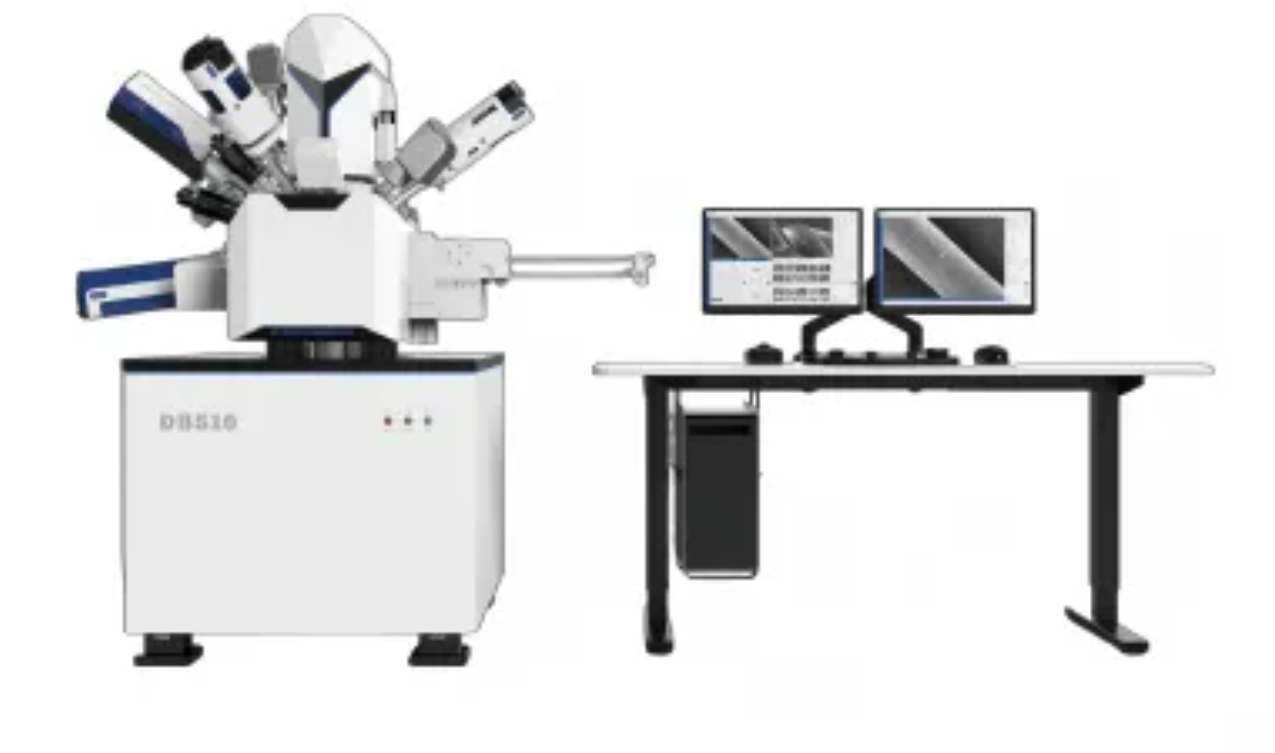
Once the application is clear, buyers should check whether the system can deliver the required milling quality and workflow consistency. In dual-beam procurement, the ion beam is just as important as the electron beam. For many labs, the real purchasing value lies in site-specific cross-sectioning, low-damage polishing, reproducible lamella preparation, and the ability to generate consistent results across different operators. Vendors increasingly emphasize automated TEM preparation, low-energy polishing, machine-learning-assisted endpointing, and recipe-based workflows because these features directly improve consistency, throughput, and operator independence.
Automation deserves special attention during evaluation. A system may look impressive in expert hands, but procurement should consider whether it can still perform efficiently in a busy lab with multiple users. Automated multi-site jobs, integrated navigation, repeatable recipe execution, and simplified software workflows can make a major difference in daily productivity. This matters especially for facilities that expect routine semiconductor analysis, frequent TEM lamella production, or serial section 3D reconstruction.
Buyers should also ask about future analytical expansion. Some FIB-SEM platforms support integrated or expandable workflows with EDS, EBSD, WDS, SIMS, and 3D analytical packages. If the lab expects to move from simple imaging to crystallographic, compositional, or volumetric analysis, then upgrade path matters. A system that fits today’s project but cannot scale into tomorrow’s analytical needs may become an expensive limitation within a few years.
Compare Total Workflow Value, Serviceability, And Long-Term Cost
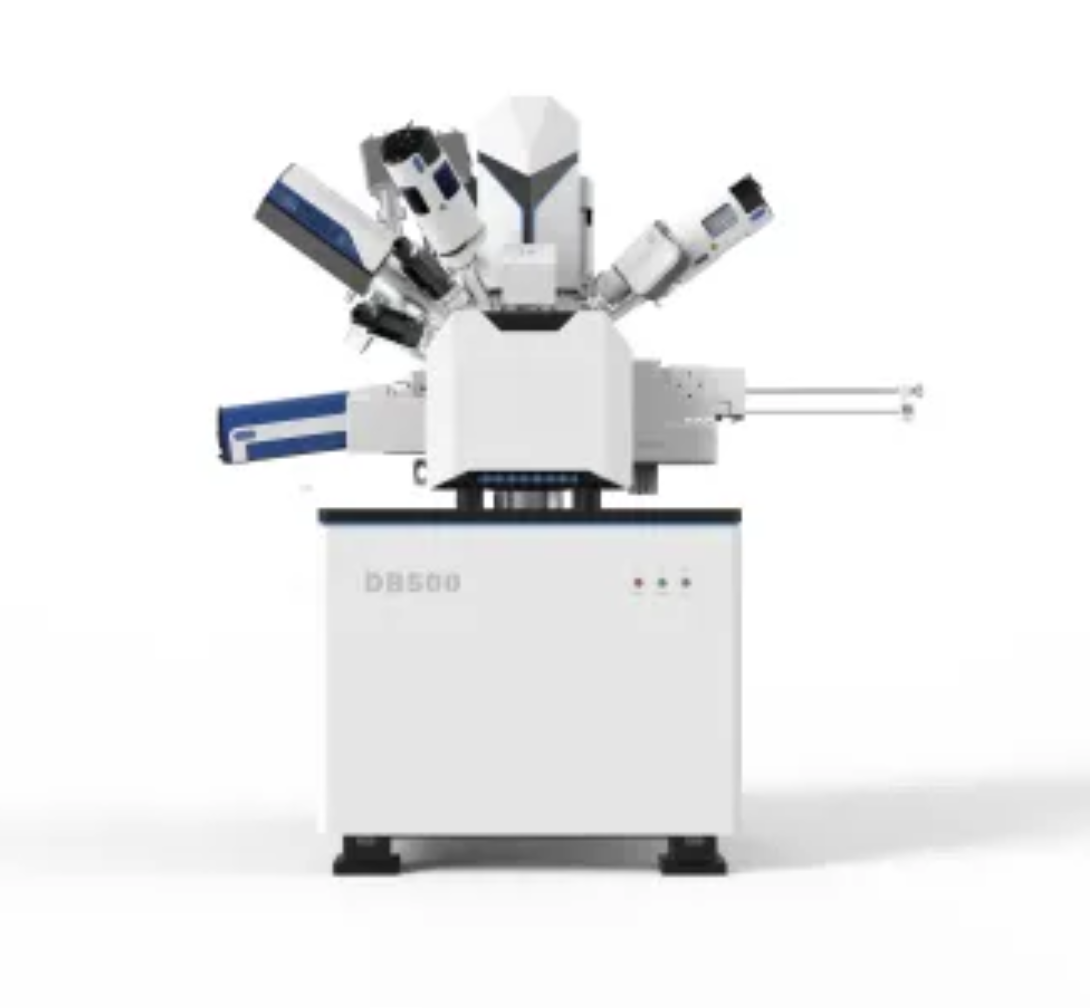
A dual-beam microscope is a strategic investment, so buyers should compare total workflow value rather than purchase price alone. The true cost includes uptime, consumables, training burden, software usability, maintenance intervals, service access, and the time required to move from raw sample to usable analytical result. A lower initial price may not be attractive if the system requires more manual intervention, produces less consistent TEM lamellae, or slows down high-volume sample analysis.
Long-term reliability should be evaluated in practical terms. Ask whether the system is designed for multi-user operation, whether software supports standardized workflows, whether upgrades are available, and whether the instrument can adapt to new analytical requirements without major reinvestment. High-value buyers should also pay attention to training efficiency and operator onboarding. In many labs, a system that shortens the learning curve and improves repeatability creates more value than one that only performs well in demonstration mode.
The smartest buyers therefore assess the instrument as a workflow platform, not as a standalone microscope. A good purchasing decision should improve data quality, reduce rework, support future analytical growth, and keep throughput stable over time. When viewed this way, the best dual-beam microscope is not necessarily the one with the most dramatic brochure claim. It is the one that matches your applications, operator reality, and long-term technical roadmap.
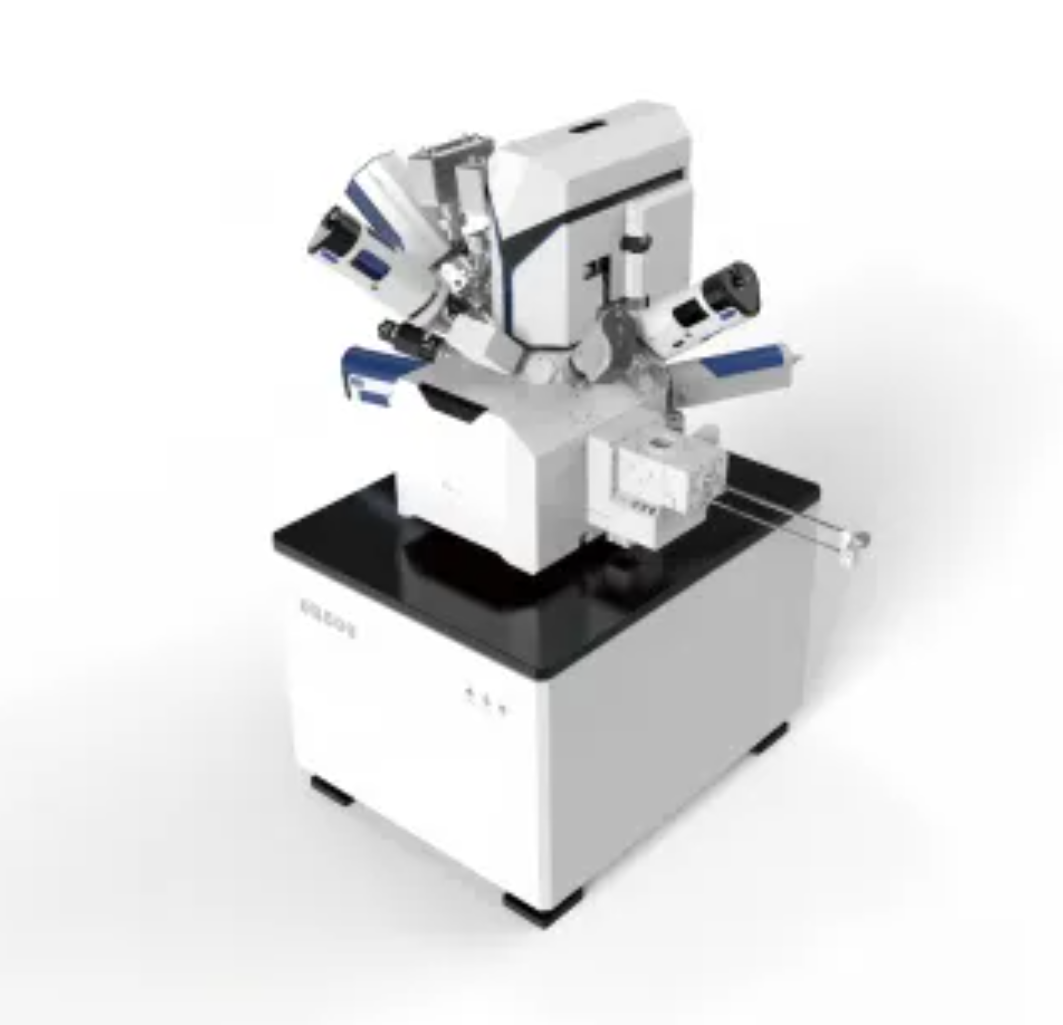
Before investing in a dual-beam microscope, buyers should check three things above all: whether the system truly fits the intended application, whether milling and automation performance can support repeatable workflows, and whether the total long-term value justifies the investment. The right decision is not about buying the most advanced label on the market. It is about choosing a platform that can deliver reliable analytical output, efficient sample preparation, and scalable performance for future research or industrial inspection needs.