


The Critical Role of Wireless Receivers in CMM and Portable Measurement Systems
2026-03-16 15:39The Critical Role of Wireless Receivers in CMM and Portable Measurement Systems
Liberating Measurement: Enabling True Portability and Unobstructed Movement
The transition from traditional wired connections to advanced wireless receivers marks a paradigm shift in industrial metrology, particularly for portable and high-mobility measurement applications. In systems like portable CMM arms or laser trackers, the receiver acts as the critical hub for untethered communication. It receives data signals—encoded with precise spatial coordinates—transmitted from the measurement probe or reflective target. This wireless link physically liberates the operator from the constraints of trailing cables, which can snag, limit range of motion, and introduce drag-induced inaccuracies. The result is a dramatic enhancement in operational freedom and efficiency. An inspector can now move seamlessly around a large workpiece, such as a vehicle body or an aircraft wing, without constant repositioning of the machine base or managing cumbersome wires. This freedom is essential for conducting comprehensive inspections in tight spaces, on complex assemblies, or directly on the shop floor, transforming measurement from a static, lab-bound activity into a dynamic, in-situ process.
Ensuring Data Integrity: Robust Transmission, Synchronization, and Signal Stability
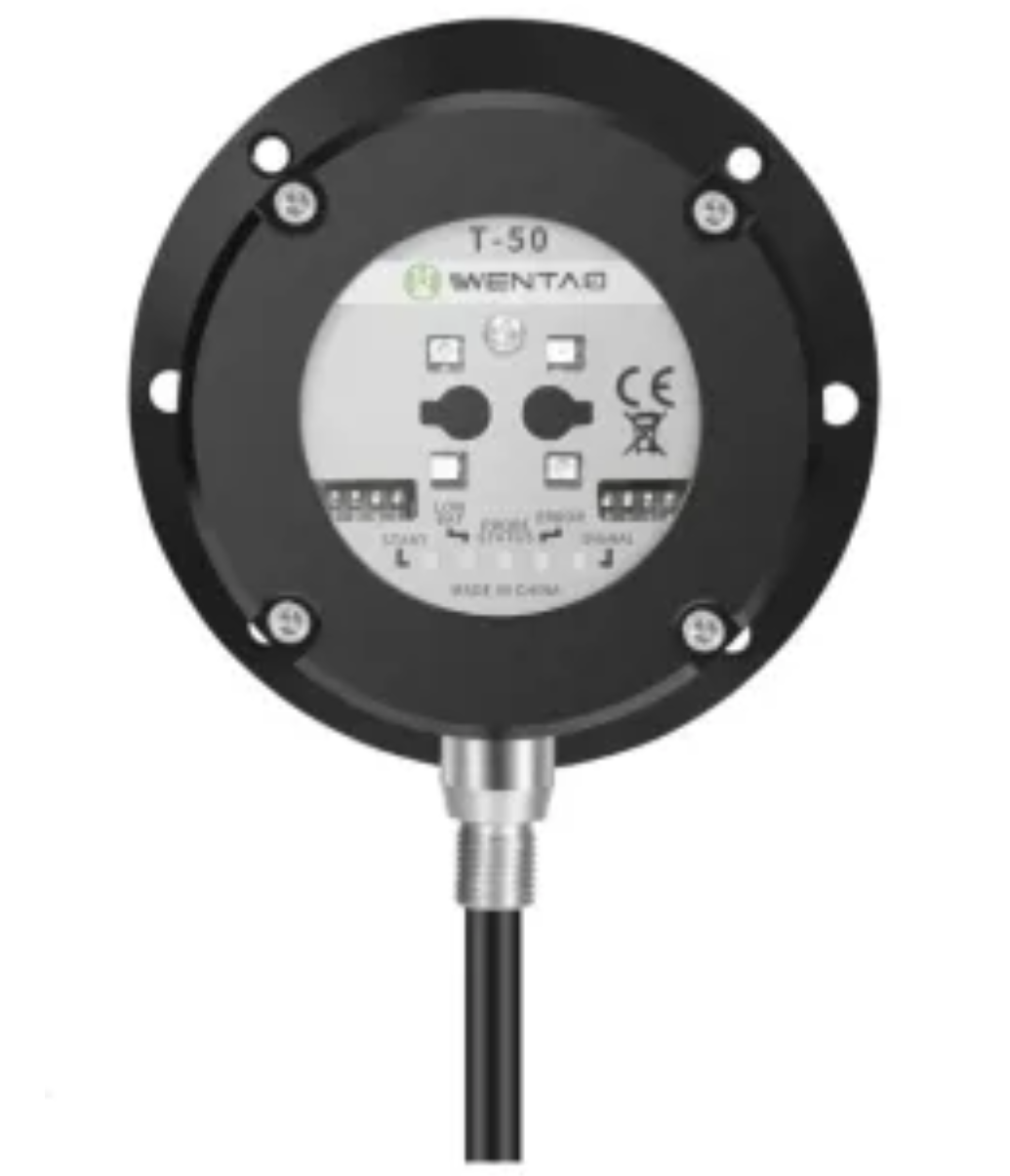
The primary technical mandate of a wireless receiver in metrology is to guarantee data integrity with zero compromise on accuracy. High-performance receivers utilize robust, license-free radio frequency (RF) protocols operating in the 2.4 GHz or 5 GHz bands. They are engineered for real-time, low-latency data transmission to ensure that the spatial data stream from the moving probe is synchronized perfectly with the machine's internal clock and encoder readings. Any lag or data packet loss would result in measurement drift or errors. Advanced receivers incorporate features like frequency hopping to avoid interference from other wireless devices common in industrial environments (Wi-Fi, Bluetooth). They also employ error-checking algorithms and powerful antennas to maintain a stable, high-integrity link even at the operational range limits, through mild obstructions, or in electromagnetically noisy settings. This unwavering signal stability is what allows a portable CMM to deliver lab-grade accuracy on the production floor, making the receiver the unseen guardian of measurement reliability.

System Integration and Future-Proofing: The Hub for Smart Connectivity
Beyond basic data relay, modern wireless receivers are evolving into intelligent connectivity hubs. In a multi-sensor measurement strategy, a single robust receiver can handle communication from different probe types (touch trigger, scanning, laser line probes) by recognizing their unique identifiers. This facilitates quick tool changes and system reconfiguration without re-pairing. Furthermore, the receiver is the foundational component enabling IoT connectivity in advanced measurement systems. It can be the gateway that streams not only measurement data but also diagnostic information—such as probe battery status, signal strength, and link health—to a central monitoring system or a digital twin. This enables predictive maintenance, where a drop in signal quality can trigger a receiver or probe service alert before it affects measurement results. For technology providers like HUACELIANGYI, integrating advanced receivers into their measurement systems is a strategic step towards building smarter, more connected, and more reliable metrology solutions for Industry 4.0.
The wireless receiver is far more than a convenience feature; it is a mission-critical enabler for modern, flexible, and high-precision measurement. By eliminating physical cables, it unlocks unprecedented portability and operational freedom for inspectors. More importantly, through robust, low-latency data transmission and intelligent connectivity features, it steadfastly upholds the data integrity and accuracy that are the bedrock of trustworthy metrology. As measurement systems become more mobile, integrated, and data-driven, the role of the advanced wireless receiver will only grow in importance, serving as the silent, reliable backbone that connects precise physical measurement to the digital world of smart manufacturing.