


Understanding Touch Trigger Probes vs. Scanning Probes
2026-03-17 15:34Understanding Touch Trigger Probes vs. Scanning Probes
Foundational Technology: Discrete Points vs. Continuous Data Stream
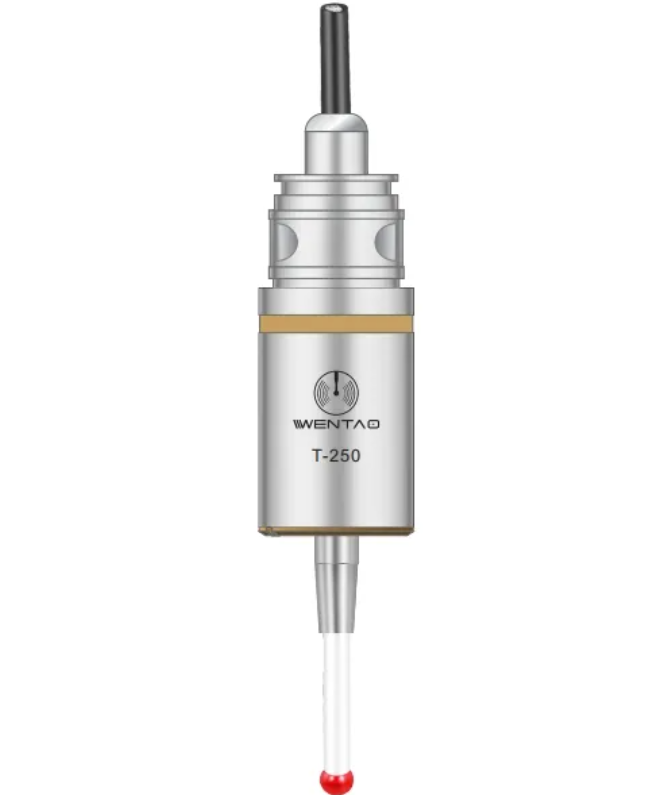
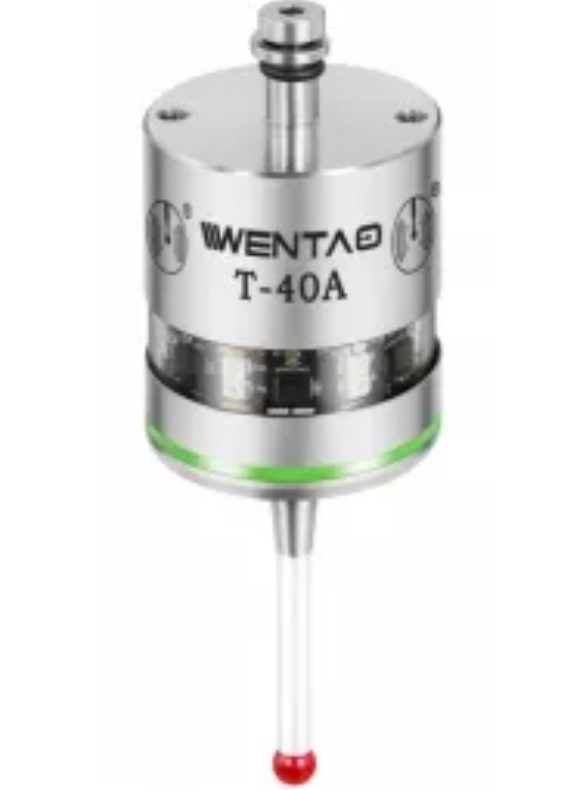
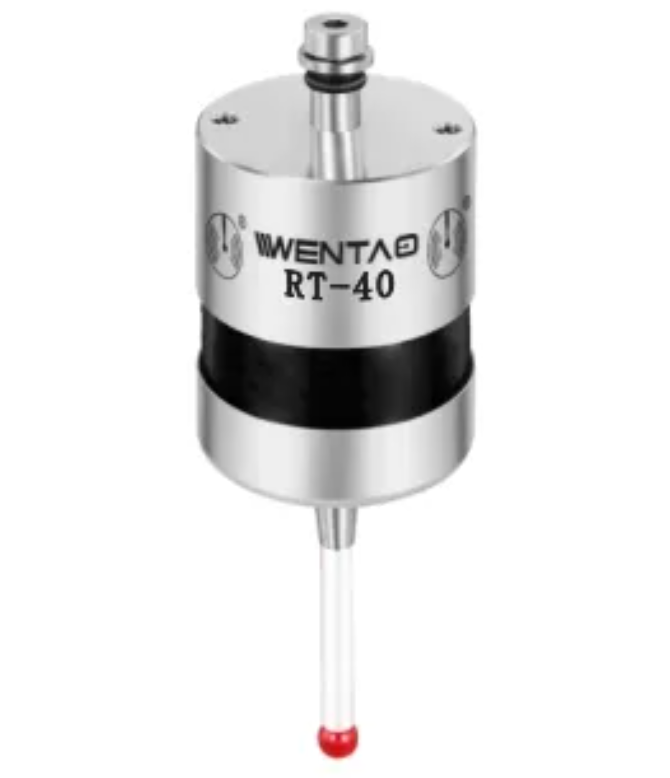
The core distinction between touch trigger probes and scanning probes lies in their fundamental data acquisition method. A touch trigger probe, the most common and widely used type, operates on a simple "make-and-break" principle. It features a sensitive mechanical or piezoelectric mechanism inside its head. When the probe's stylus tip contacts a part surface, it triggers a signal at the exact moment of deflection, recording a single, discrete point in 3D space. It then retracts, resets, and moves to the next programmed point. In contrast, a scanning probe (or analog probe) maintains continuous contact with the part surface. As it glides along a contour, it outputs a constant, high-density stream of coordinate data, effectively "feeling" the surface geometry. This fundamental difference dictates that trigger probes are masters of discrete point measurement for features like hole centers, bosses, and planes, while scanning probes excel at capturing continuous surface profiles for complex shapes, freeform surfaces, and intricate contours.
Operational Strengths: Speed for Primitives vs. Detail for Complexity
Choosing the right probe depends heavily on the application's requirements for speed, density, and feature type. Touch trigger probes are renowned for their robustness, high measurement speed between individual points, and relative simplicity. They are ideal for routine inspection of prismatic parts with well-defined geometric features, providing fast and accurate checks of dimensions, positions, and geometric tolerances. Their mechanical nature also makes them forgiving in less-than-ideal shop floor environments. Scanning probes, however, deliver unparalleled high-density data capture. By collecting thousands of points per second along a path, they create a comprehensive digital map of a surface. This makes them indispensable for inspecting complex curves, verifying CAD models against as-built parts (through point cloud comparison), evaluating surface finish parameters like waviness, and performing detailed form analysis (e.g., roundness, cylindricity). The trade-off is typically slower overall path speed and greater sensitivity to environmental factors like vibration.
Strategic Integration: Leveraging Both in a Modern CMM Strategy
The most advanced coordinate measuring machines, like those from HUACELIANGIYI, are increasingly equipped as multi-sensor platforms that can accommodate both probe types, often with automatic changers. This allows for strategic integration. A touch trigger probe might be used for rapid alignment and checking critical discrete dimensions, while a scanning probe is automatically deployed for detailed surface analysis of critical contours. The choice is not always either/or; it's about deploying the right tool for the specific feature. For high-volume quality control of simple parts, a trigger probe may be perfectly adequate. For R&D, mold and die inspection, or complex component validation, the rich dataset from a scanning probe is invaluable. The decision matrix should consider part complexity, required data density, tolerance levels, and overall inspection cycle time goals.
Understanding the distinction between touch trigger and scanning probes is fundamental to optimizing CMM inspection processes. The trigger probe is the reliable, high-speed workhorse for discrete geometric features, while the scanning probe is the master of detailed, continuous surface characterization. Rather than viewing them as competitors, they should be seen as complementary technologies within a comprehensive metrology strategy. By leveraging the strengths of each—through a multi-sensor CMM or a well-planned inspection protocol—manufacturers can achieve both efficiency and profound insight, ensuring part quality from the simplest dimension to the most complex surface form. The right probe choice, driven by application needs, is key to unlocking the full potential of a precision CMM.