


How CNC Shot Peening Improves Fatigue Life of Metal Components
2026-03-18 15:31How CNC Shot Peening Improves Fatigue Life of Metal Components
The Science of Inducing Beneficial Stress: From Surface to Subsurface
CNC shot peening is a sophisticated surface enhancement process that fundamentally strengthens metal parts against fatigue failure. Unlike coating or plating, it works by mechanically altering the material's own structure. The process bombards the component's surface with a controlled stream of small, spherical media (the "shot") at high velocity. Each impact creates a microscopic indentation, plastically deforming a thin surface layer. This deformation induces a state of compressive residual stress in the treated surface and a shallow subsurface region. It is this layer of compressive stress that is the key to dramatically improving fatigue life. Under cyclic loading, fatigue cracks typically initiate and propagate from surface tensile stresses. The imparted compressive stress layer effectively "clamps" the surface, counteracting applied tensile loads. This makes it far more difficult for microscopic cracks to initiate and propagate, thereby shifting the fatigue crack nucleation site from the vulnerable surface to a deeper, more stable location within the material.
The Precision of CNC: Consistency, Coverage, and Control
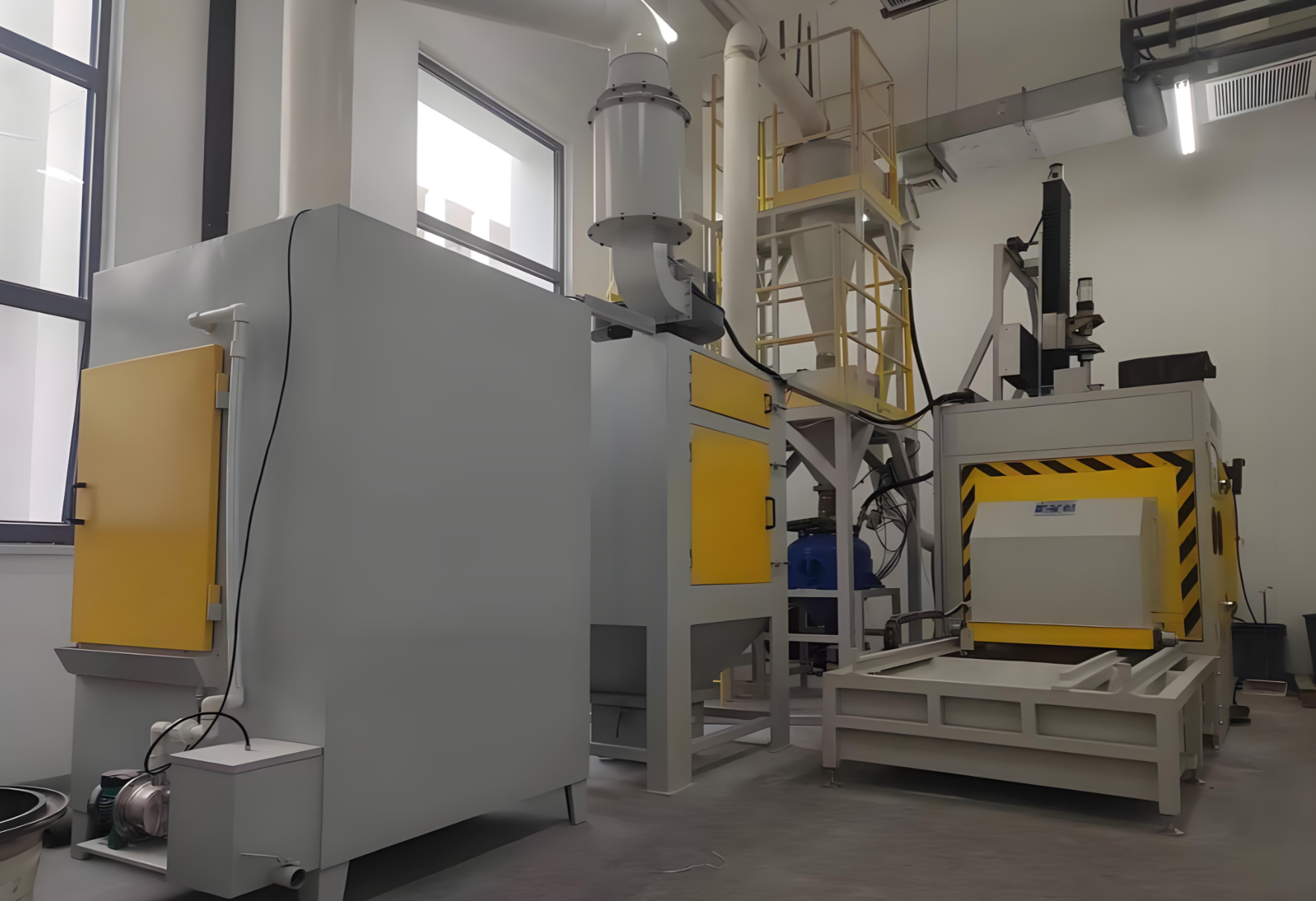
The "CNC" in CNC shot peening is what elevates it from a simple, variable manual process to a highly reliable and repeatable manufacturing operation. Computer Numerical Control provides unmatched precision in three critical areas. First, it ensures consistent and uniform coverage across complex geometries, such as gear teeth roots, turbine blade fir-tree slots, or intricate automotive springs. The CNC program dictates the exact path, speed, and orientation of the nozzle relative to the part, guaranteeing that even hard-to-reach areas receive the specified treatment intensity. Second, it enables precise control over the Almen intensity—a standardized measure of the peening process's energy. By accurately controlling parameters like air pressure, flow rate, nozzle distance, and angle, the desired compressive stress depth profile is consistently achieved. Finally, CNC automation ensures 100% process repeatability from the first part to the thousandth, eliminating human error and guaranteeing that every component meets the strictest engineering specifications for fatigue performance.
Critical Applications Across Demanding Industries
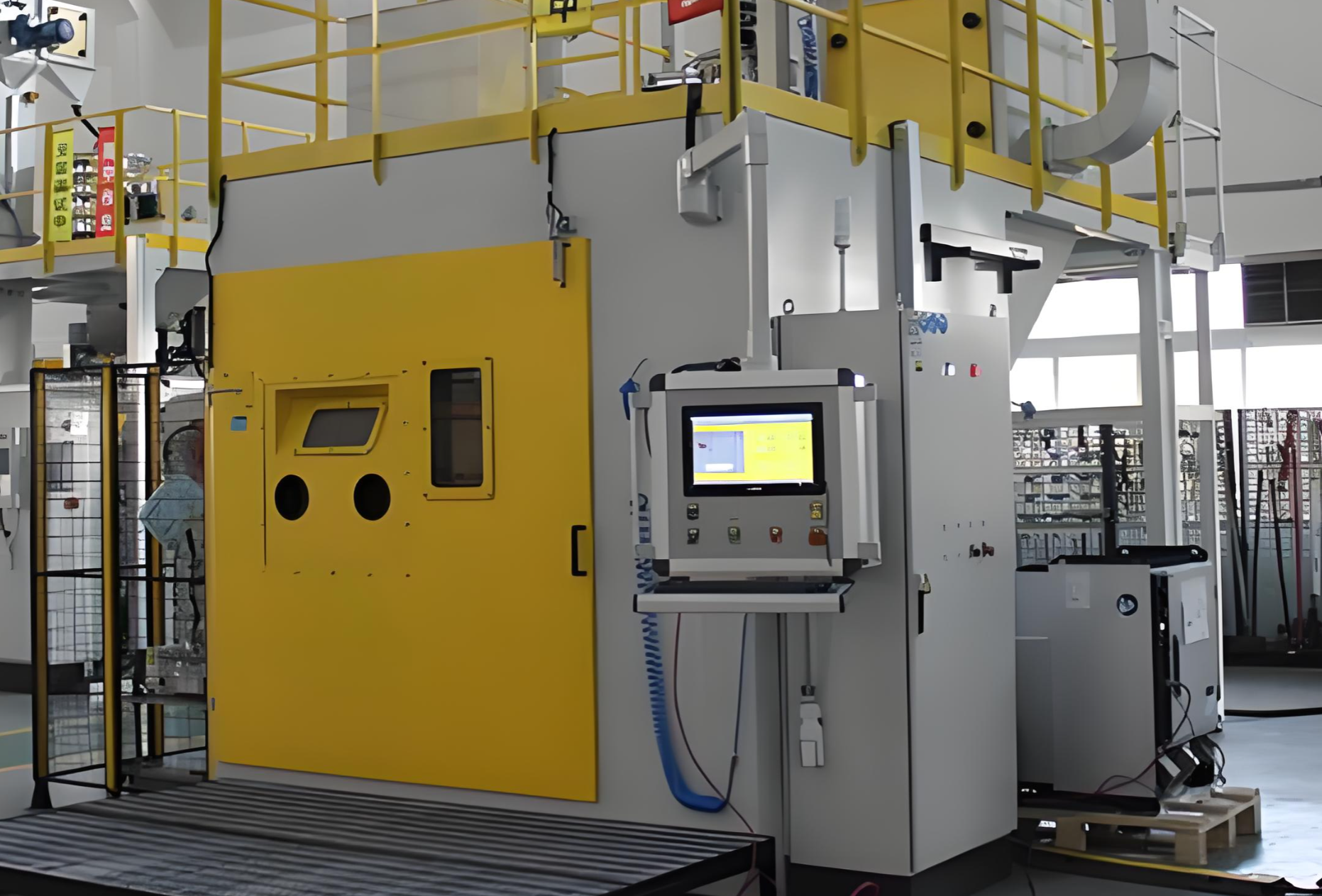
The life-extending benefits of CNC shot peening are indispensable in industries where component failure is not an option. In the aerospace industry, it is a mandated process for critical rotating and structural parts like titanium and steel landing gear, turbine engine blades, and aircraft wing spars. Here, it combats high-cycle fatigue from vibration and extreme loads. The automotive industry relies on it for high-performance valve springs, connecting rods, gears, and drive shafts to enhance durability, reduce weight, and improve engine reliability. In heavy machinery and oil and gas sectors, it is used on massive gears, crankshafts, and drilling equipment components to withstand immense, fluctuating stresses. For manufacturers like HUACELIANGYI, providing advanced CNC shot peening machines means delivering a critical technology that allows clients to produce lighter, stronger, and more durable metal components, directly impacting the safety, performance, and longevity of their end products.
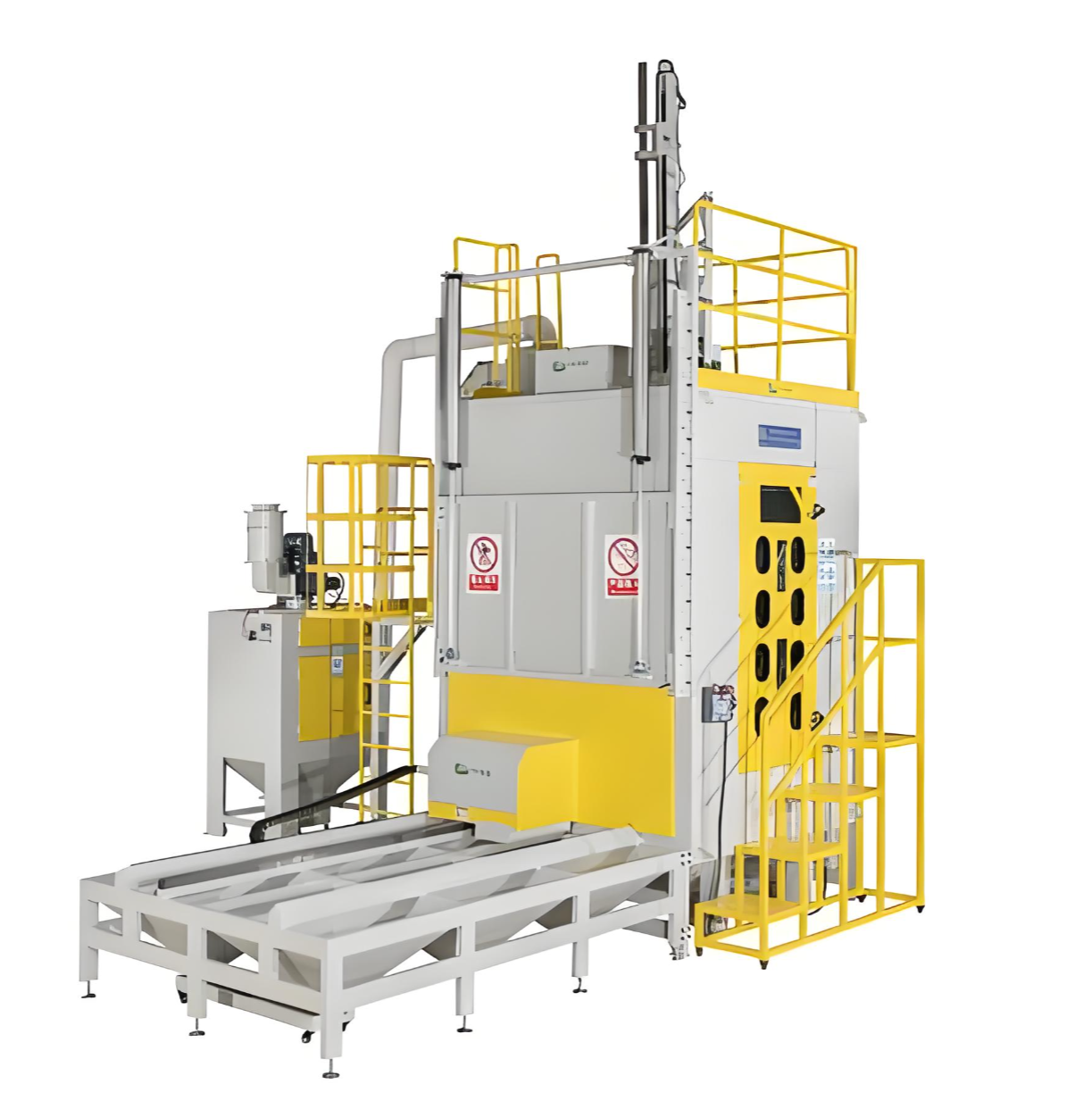
In conclusion, CNC shot peening is a vital, precision-driven manufacturing process that directly combats the primary cause of metal component failure: fatigue. By meticulously inducing a deep, uniform layer of beneficial compressive residual stress via computer-controlled accuracy, it fundamentally strengthens parts at their most vulnerable points. The transition from manual to CNC-controlled shot peening guarantees the consistency and repeatability required for mission-critical applications in aerospace, automotive, and beyond. It is not merely a surface treatment, but a strategic engineering investment that transforms standard metal components into highly resilient, longer-lasting parts, ensuring reliability and pushing the boundaries of performance and safety.