



Maintenance and Calibration Best Practices for High-Performance Machining Centers
2026-03-14 15:46Maintenance and Calibration Best Practices for High-Performance Machining Centers
Foundational Preventive Maintenance: The Pillar of Sustained Performance
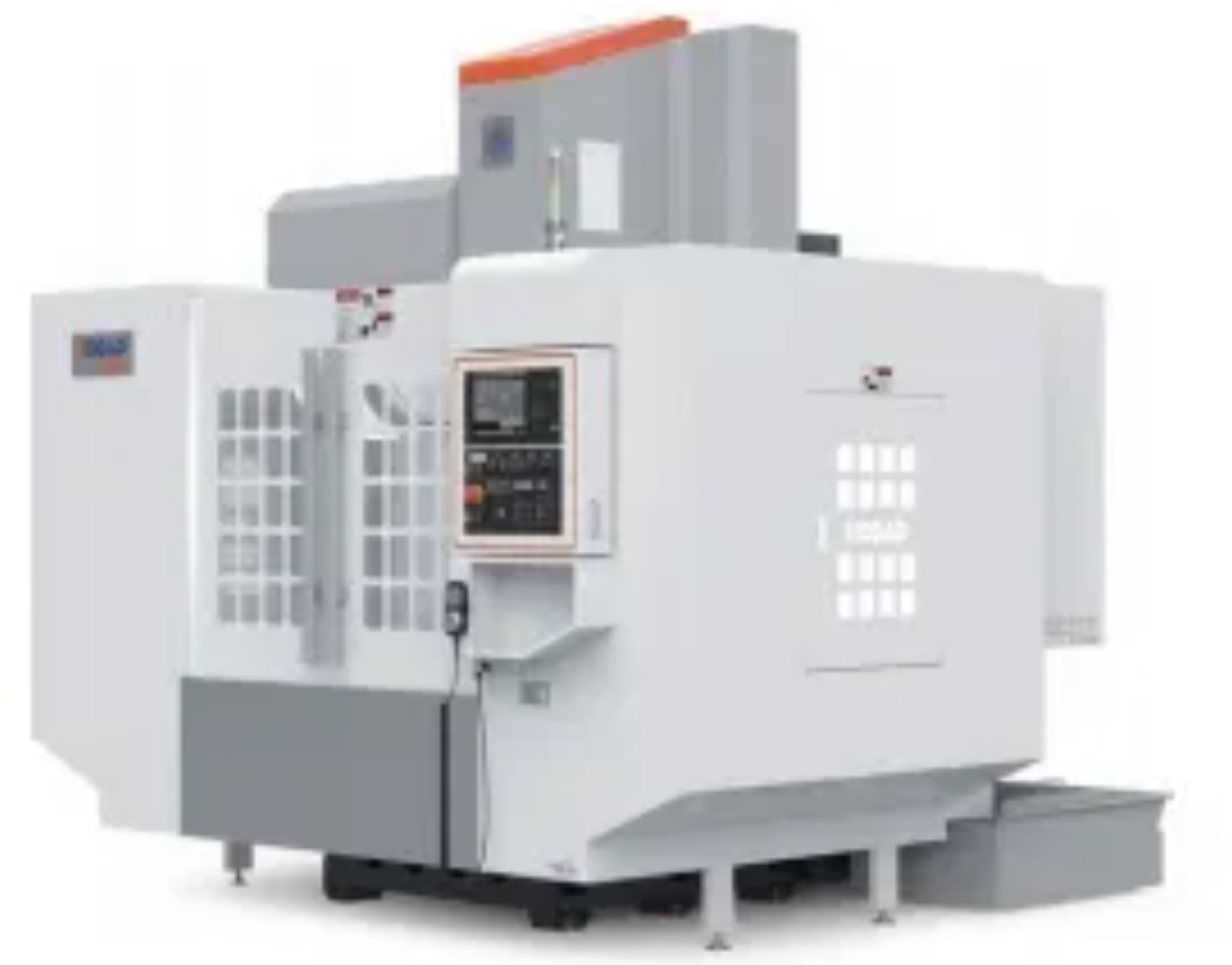
Preventive maintenance is the non-negotiable first line of defense for preserving the precision and longevity of a high-performance machining center. A rigorous, scheduled regimen must address the machine's core mechanical systems. Daily and weekly tasks should include clearing chip accumulation from the work envelope, checking and maintaining proper hydraulic and lubrication system fluid levels and pressures, and inspecting way covers and seals for integrity. Monthly and quarterly schedules must delve deeper, involving the inspection and cleaning of ball screws and linear guides for wear or contamination, checking servo motor and spindle drive belt tension, and verifying the performance of the coolant system (filters, pumps, concentration). This proactive approach prevents the accelerated wear of critical components, mitigates thermal instability caused by poor lubrication, and avoids catastrophic failures. A clean, well-lubricated machine is a stable machine, and stability is the bedrock upon which all precision machining is built. Documenting all maintenance activities is essential for tracking machine health and predicting future service needs.
Precision Calibration: Verifying and Restoring Machine Accuracy
While maintenance preserves the machine's mechanical condition, precision calibration is the process of verifying and, if necessary, correcting its geometric and positioning accuracy. This is not optional; it is a requirement to ensure parts are machined within specification. Key calibration procedures involve using laser interferometers and electronic levels to measure and compensate for errors in the machine's geometric alignments, such as squareness, straightness, and parallelism of the linear axes. Ballbar testing is crucial for analyzing the dynamic contouring accuracy of the machine by measuring circular deviation during simultaneous multi-axis movement. For the heart of the machine, the spindle, calibration includes checking for runout (radial and axial) and thermal growth characteristics. Modern CNC controls allow for the input of error compensation parameters gathered during these tests, effectively "teaching" the machine to correct its inherent mechanical imperfections. Regular calibration, following standards like ISO 230 or ASME B5.54, provides documented proof of the machine's capability and is critical for quality assurance in regulated industries like aerospace and medical device manufacturing.
Advanced Diagnostics and Integration with Metrology Systems
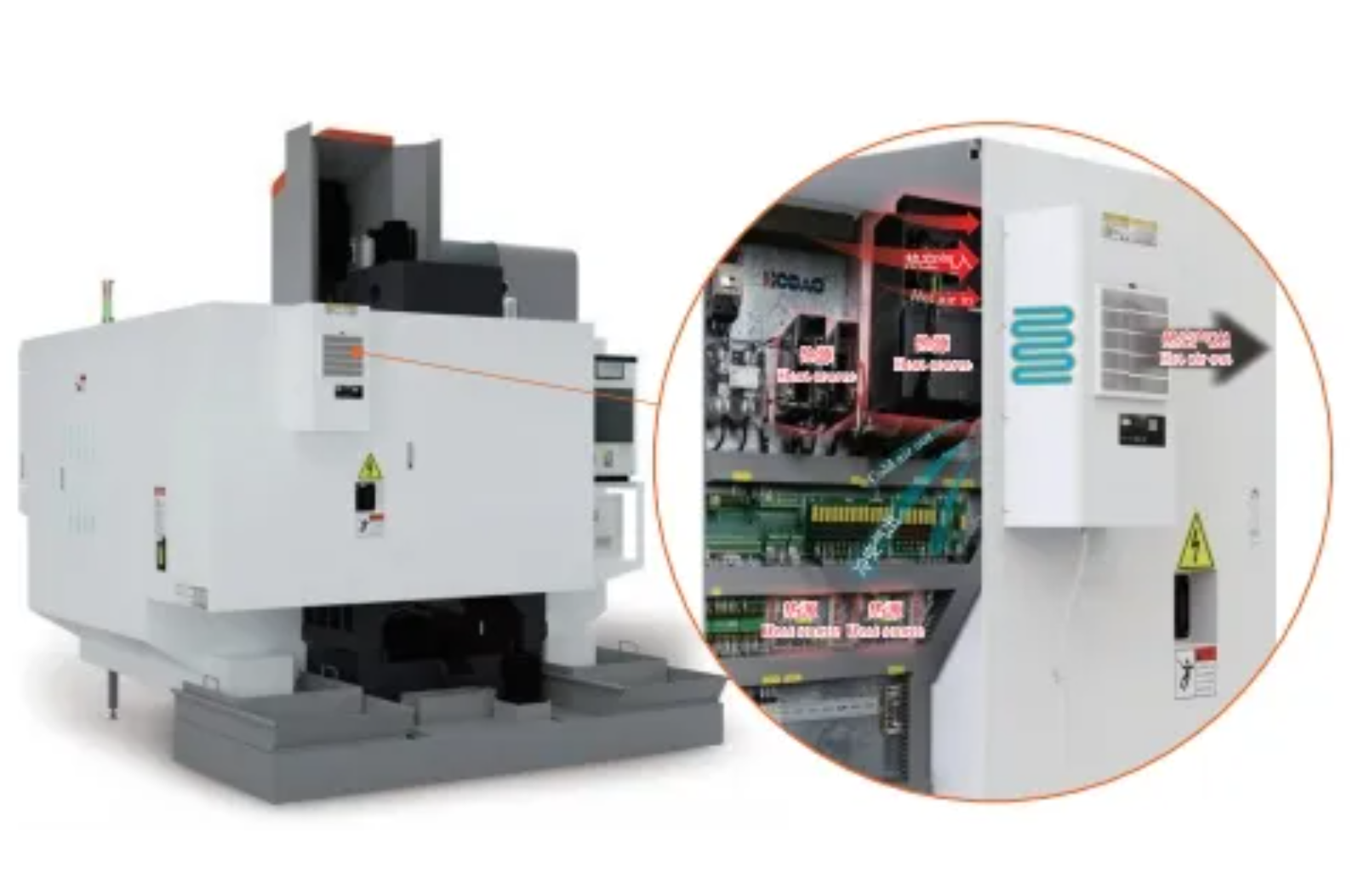
The highest level of maintenance strategy leverages predictive diagnostics and integrates the machining center with metrology for closed-loop process control. Modern machines equipped with IoT sensors can continuously monitor parameters like spindle vibration, temperature, and power consumption. Analyzing this data trend can predict bearing wear or imbalance before failure occurs, enabling condition-based maintenance. Furthermore, the integration of on-machine probing systems (touch trigger or laser probes) transforms the machining center into a self-verifying system. The probe can be used for automatic tool setting and breakage detection, first-article inspection, and even in-process measurement to compensate for tool wear or thermal drift in real-time. This creates a digital thread between the CAD model, the machining process, and the verification data. For manufacturers utilizing both machining and measurement solutions from a provider like HUACELIANGYI, this synergy allows for a unified data-driven approach to ensuring part quality directly at the point of production, minimizing scrap and maximizing equipment utilization and accuracy over the long term.
Maintaining and calibrating a high-performance machining center is a comprehensive discipline that blends diligent mechanical care with advanced metrological verification. Foundational preventive maintenance ensures mechanical integrity and stability. Rigorous geometric and dynamic calibration certifies and corrects the machine's precision to published standards. Finally, integrating smart diagnostics and in-process metrology elevates the strategy from reactive to predictive, enabling true closed-loop, quality-assured manufacturing. This holistic approach is not merely about fixing the machine; it is about proactively preserving it as a capital asset, ensuring it consistently produces parts of the highest quality, maximizes return on investment, and remains a reliable cornerstone of a competitive, precision-driven manufacturing operation.