


News
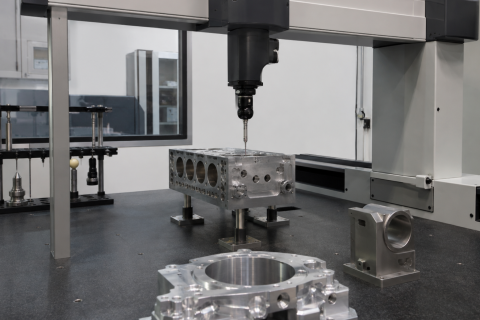
A bridge CMM with a Renishaw probe can be an effective solution for precision inspection when the machine structure, probe package, stylus configuration, fixture strategy, software capability, and reporting workflow are matched correctly to the part requirements. Buyers should evaluate the complete inspection system rather than only the machine body or probe brand. By providing drawings, CAD files, tolerance data, measured features, and production requirements before quotation, buyers can receive a more suitable CMM recommendation and build a more reliable inspection process.
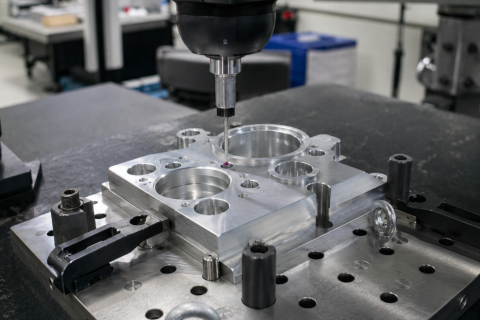
Hidden costs in CMM purchasing often come from probe accessories, software modules, fixtures, calibration, installation, export packaging, shipping terms, training, spare parts, and after-sales service. Buyers should evaluate the total inspection solution instead of only comparing the basic machine price. By confirming all included and optional items before placing an order, overseas buyers can avoid unexpected costs and choose a CMM machine that truly fits their parts, tolerances, workflow, and long-term quality control needs.
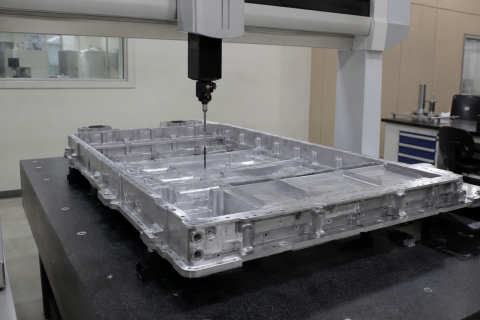
EV battery trays and new energy vehicle components require careful dimensional inspection because part size, flatness, mounting accuracy, sealing performance and datum relationships can directly affect battery pack assembly and vehicle reliability. A suitable CMM solution should combine the right measuring range, stable machine structure, proper probe configuration, repeatable fixture support, GD&T software, calibration support and reporting workflow. By providing drawings, CAD files, tolerance data, measured features and production requirements before quotation, buyers can receive a more accurate CMM recommendation for EV component inspection.
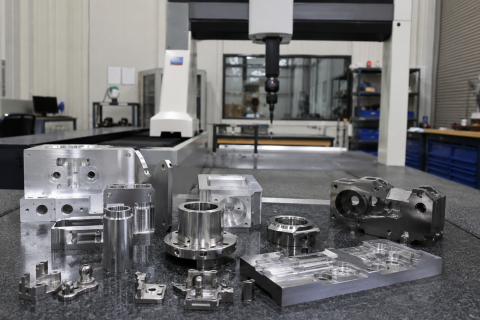
A bridge CMM for precision machined parts should be selected as a complete inspection solution, not just a machine body. Buyers should confirm part size, measuring range, accuracy, probe system, fixture design, software functions, calibration, reporting requirements and service support before placing an order. By providing drawings, CAD files, tolerance data, measured features and production requirements before quotation, buyers can receive a more suitable CMM recommendation and reduce procurement risk.
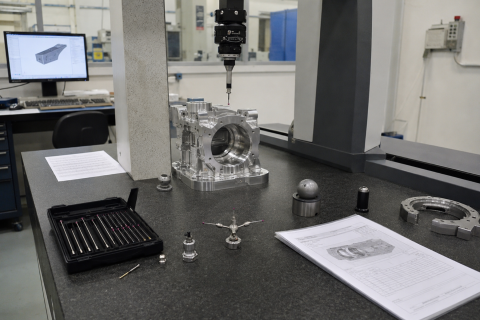
A CMM machine quotation should be evaluated as a complete inspection solution, not just a machine price. Overseas buyers should check machine model, measuring range, accuracy, probe system, software modules, fixtures, calibration, export packaging, delivery terms, installation guidance, training, warranty and after-sales support. By providing drawings, CAD files, tolerance requirements, measured features and destination information before quotation, buyers can receive a more accurate CMM recommendation and avoid hidden costs during overseas procurement.
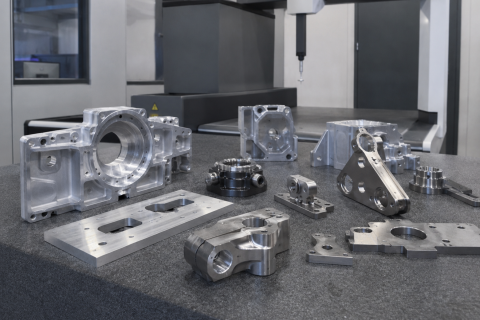
Choosing a bridge CMM manufacturer for overseas CNC machining projects requires careful comparison of machine accuracy, measuring range, probe system, software capability, fixture support, calibration, export packaging, installation guidance, and after-sales service. The right supplier should understand the buyer’s parts, tolerances, inspection workflow, destination country, and long-term support needs. By providing drawings, CAD files, tolerance data, measured features, and production requirements before quotation, overseas buyers can receive a more accurate bridge CMM recommendation and reduce project risk.
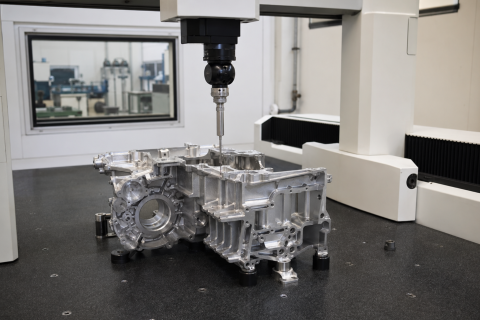
Automotive aluminum housing inspection requires more than basic dimensional checking. These parts often include bores, mounting holes, sealing faces, datum planes, thin-wall areas, and complex cast geometry. A suitable coordinate measuring machine solution should combine the right measuring range, stable machine structure, proper probe configuration, repeatable fixture design, GD&T software, calibration support, and reporting workflow. By providing drawings, CAD files, tolerance data, measured features, and production requirements before quotation, buyers can receive a more accurate CMM recommendation for automotive aluminum housing inspection.
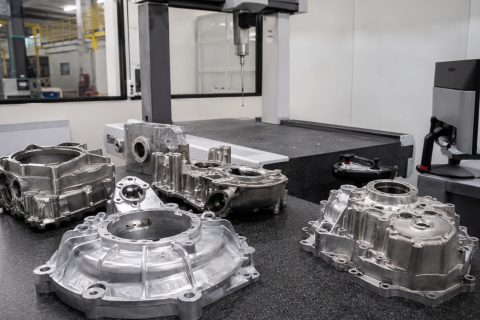
Aluminum die casting parts require careful dimensional inspection because casting deformation, machining features, thin walls, datum surfaces, and assembly interfaces can directly affect product quality. A suitable CMM solution should combine the right measuring range, probe system, fixture design, GD&T software, calibration support, and reporting workflow. By providing drawings, CAD files, tolerance data, measured features, and production requirements before quotation, buyers can receive a more accurate CMM recommendation for aluminum die casting parts inspection.