

News
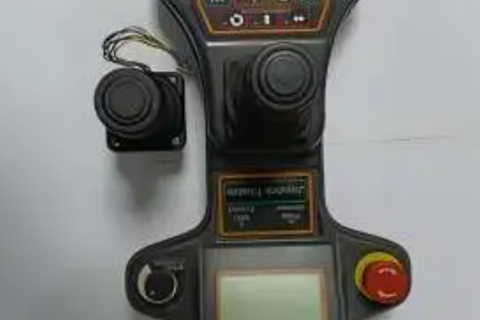
Comparing USB joysticks beyond initial price means looking at what really affects performance and cost over time: interface compatibility, axis and button layout, sensor technology, control feel, ergonomics, lifecycle, sealing, and flexibility for future use. The lowest quote may look attractive on paper, but the better purchase is usually the joystick that integrates smoothly, controls accurately, feels better in daily use, and lasts longer in the real application. That is where the true return on investment is created.

Selecting an industrial joystick controller is a strategic decision that impacts operational efficiency, safety, and equipment longevity. It requires a holistic view that marries robust Hall effect technology and appropriate environmental sealing with task-specific ergonomic design and a compatible electrical interface. By carefully considering the technical demands of the application—whether for precise CMM operation, CNC machine guidance, or control of heavy mobile equipment—manufacturers can choose a solution, like those from HUACELIANGYI, that delivers reliable, precise, and durable performance. The optimal joystick is not just a component; it is an interface that empowers operators and protects valuable machinery.

Smart joysticks with haptic feedback represent a significant leap forward in human-machine interaction for industrial control. By providing intuitive physical feedback, they dramatically enhance operator precision, prevent costly errors, and create a safer working environment. This technology moves control from a purely visual or cognitive task to an instinctive, tactile experience. As a leader in precision control interfaces, HUACELIANGYI recognizes that the future of industrial joysticks lies not just in sending commands, but in closing the feedback loop, creating a more responsive, intelligent, and immersive partnership between human operators and the machines they command.
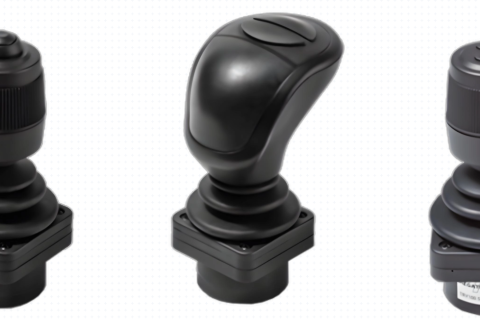
In summary, Hall Effect Joysticks represent the pinnacle of rugged and reliable control technology. By leveraging non-contact sensing, superior environmental sealing, and inherent immunity to mechanical wear, they deliver the durability required for the most demanding industrial and mobile applications. Rongcheng's commitment to this technology ensures that operators can rely on precise, drift-free control in even the toughest conditions, maximizing uptime and operational safety.
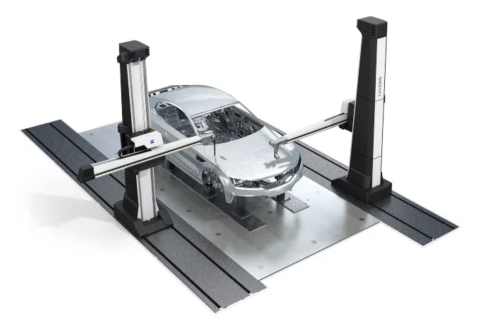
In conclusion, a tour of HUACELIANGYI's facilities reveals more than just a manufacturing plant; it unveils a comprehensive ecosystem dedicated to the pursuit of metrological perfection. From the foundational stability of the climate-controlled production hall to the skilled craftsmanship on the assembly line and the rigorous, data-driven validation in the metrology lab, every step is meticulously engineered to build not just measuring machines, but instruments of trust. This vertical integration and unwavering commitment to quality control at every stage is what distinguishes HUACELIANGYI and assures customers that they are investing in precision that is built to last.
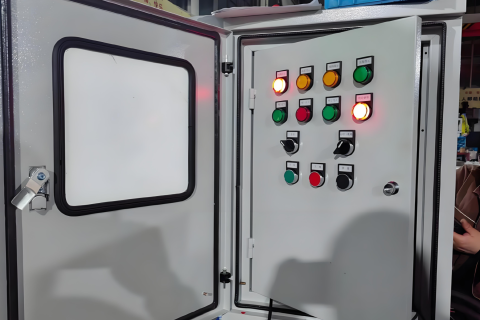
In conclusion, opting for a customizable control box from HUACELIANGYI is a strategic decision that moves beyond basic functionality to embrace a philosophy of optimized human-centric design and operational excellence. By tailoring the control interface to the specific needs of the machine, the operator, and the task, manufacturers can unlock new levels of productivity, enhance process reliability, and foster a safer working environment. HUACELIANGYI’s expertise in combining robust hardware with flexible customization options provides a critical competitive edge, ensuring that your CNC machinery is not just controlled, but mastered.
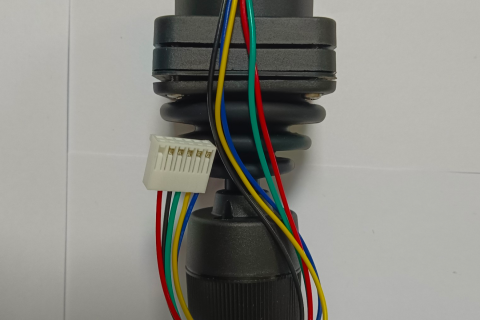
In summary, a DCS joystick is an intelligent input device designed for networked control systems, offering superior reliability, simplified installation, and advanced diagnostics compared to traditional analog joysticks. HUACELIANGYI's focus on robust construction, precision Hall Effect technology, and application-specific customization positions their DCS joysticks as a key enabling technology for modern industrial machinery. By choosing a DCS solution from HUACELIANGYI, manufacturers can build smarter, more reliable, and easier-to-maintain equipment, ultimately gaining a competitive edge in the market.
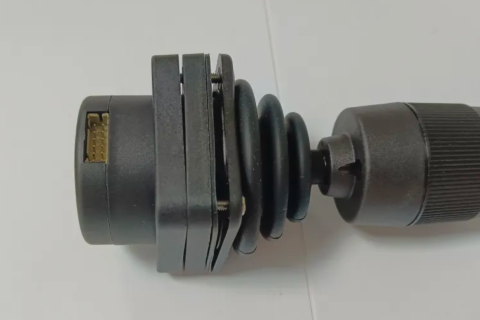
In summary, a high-performance industrial joystick from HUACELIANGYI is a masterfully engineered system, not just a simple component. It begins with the non-contact precision of Hall Effect sensing, is built around a rugged and ergonomic mechanical structure designed for endurance, and is completed with sophisticated, customizable electronics ready for seamless integration. Each anatomical part works in harmony to deliver the reliability, accuracy, and durability required for critical industrial applications. By understanding this anatomy, it becomes clear why HUACELIANGYI joysticks are the trusted choice for controlling machinery where performance and safety cannot be compromised.
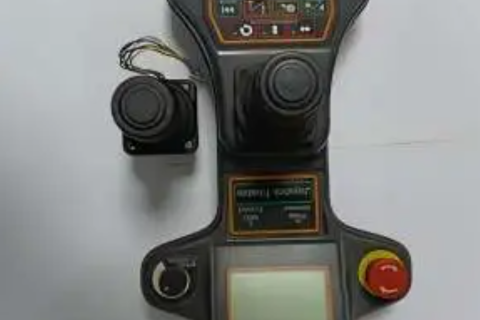
In conclusion, choosing an industrial joystick supplier requires a holistic evaluation that extends beyond initial price. The ideal partner combines robust, high-precision product offerings with deep technical expertise, a customer-centric approach to customization and support, and a demonstrable record of long-term reliability. By prioritizing these factors, manufacturers can secure a supply of critical components that enhance operator efficiency, ensure safety, and contribute to the overall productivity and longevity of their machinery. Suppliers like HUACELIANGYI exemplify these qualities, making them a strategic choice for demanding industrial applications.
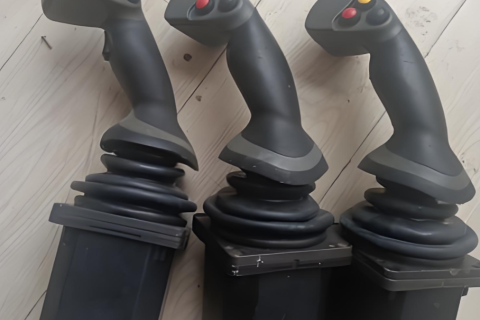
In conclusion, the comparison between joystick controllers and traditional control panels reveals a clear evolution in human-machine interface design. While traditional panels have their place for simple, discrete commands, joystick controllers offer a superior solution for tasks requiring precise, multi-axis motion control. By providing an intuitive, ergonomic, and efficient interface, they directly enhance productivity, reduce operator fatigue, and improve safety. The future of industrial control lies in integrated solutions that leverage the strengths of both paradigms, offering a tailored experience that maximizes the potential of both the operator and the machinery.
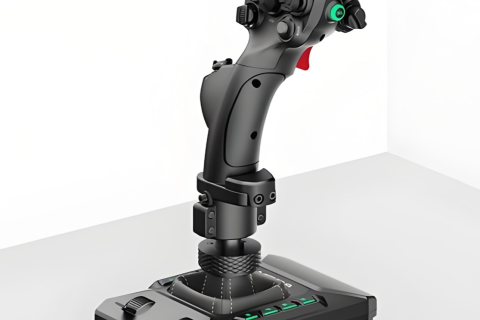
In conclusion, the ergonomics of an industrial joystick are a critical engineering discipline with far-reaching consequences. It is the crucial link between the human operator and the machine, directly influencing fatigue levels, control accuracy, and situational awareness. By prioritizing ergonomic design—focusing on comfort, intuitive feedback, and reduced physical strain—companies can unlock significant gains in operator productivity, workplace safety, and overall manufacturing efficiency. In the demanding world of industrial automation, a well-designed joystick is not merely a control device; it is a vital tool for empowering operators and optimizing entire production systems.
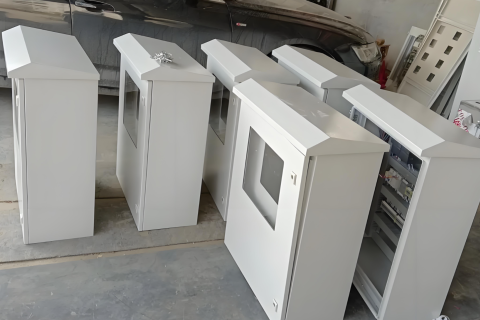
In conclusion, customizable control boxes represent a strategic investment in optimizing human-machine interaction for complex machinery. They move beyond the limitations of generic interfaces by offering a purpose-built solution that enhances operational efficiency, reduces errors, and fortifies safety. By integrating high-quality components like precision joysticks with application-specific buttons and indicators into a rugged, ergonomic enclosure, companies like Innovameld empower manufacturers to unlock the full potential of their equipment. This tailored approach ensures that the control interface becomes a seamless extension of the operator's intent, driving productivity and precision on the factory floor.