



- Home
- >
- News
- >
- What is a DCS Joystick
- >
What is a DCS Joystick
2026-02-05 12:24What is a DCS Joystick
Defining the DCS Joystick: A Node in a Networked Control Architecture
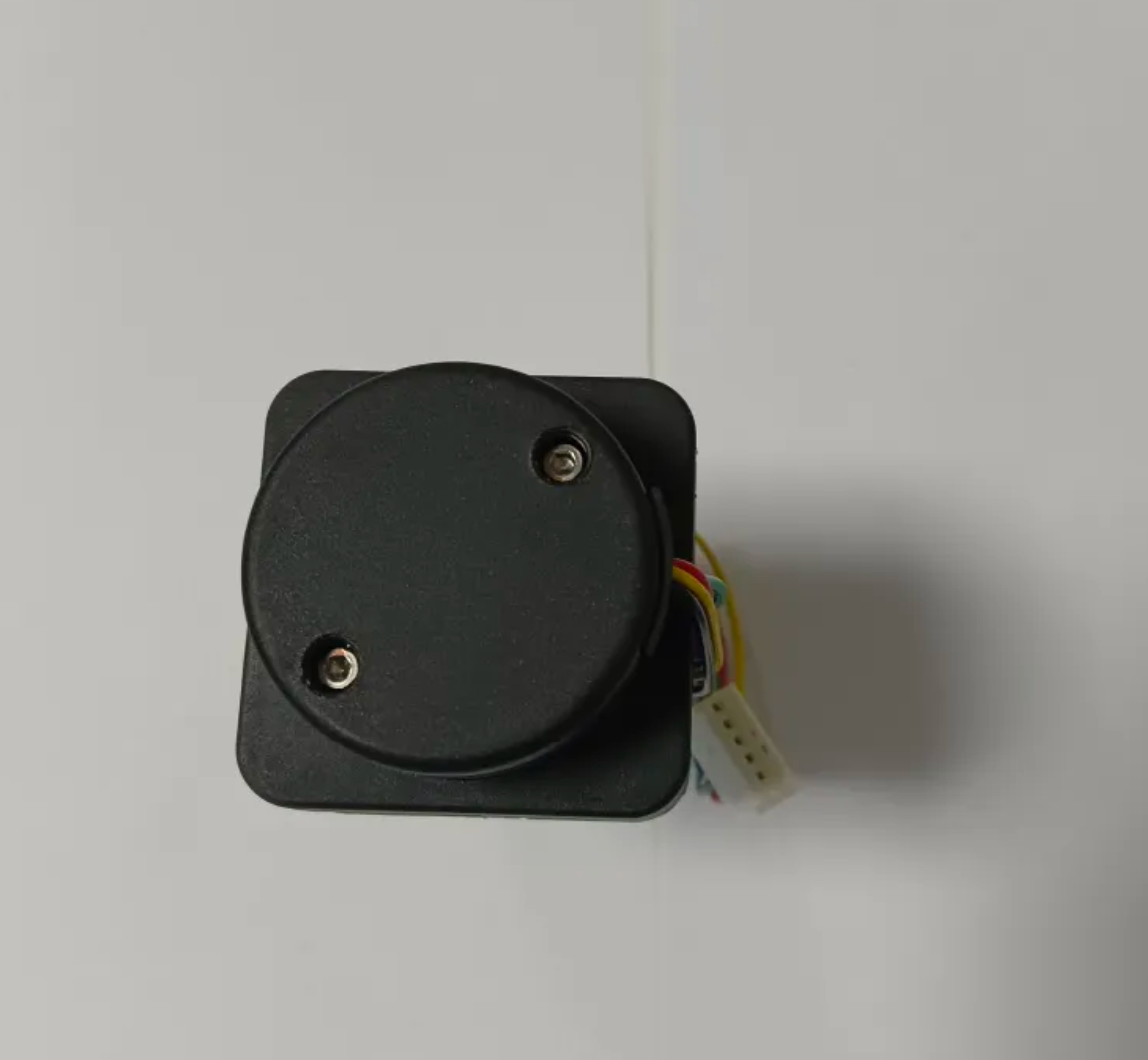
A DCS joystick, or Distributed Control System joystick, is not a standalone control device but an intelligent peripheral node integrated into a larger, automated control network. Unlike a standard joystick that connects directly to a single machine's controller, a DCS joystick communicates via a industrial network protocol like CAN (Controller Area Network) bus, most commonly using the CAN J1939 standard prevalent in heavy machinery. In this architecture, the joystick acts as a smart sensor, transmitting its position data as a digital message packet onto the network. This data is then picked up by the appropriate node within the DCS, such as a programmable logic controller (PLC) or a dedicated motion controller, which processes the command and actuates the required valves or drives. This fundamental shift from direct, point-to-point wiring to a networked system is what defines a true DCS joystick, enabling centralized monitoring, diagnostics, and control of multiple functions from a single operator interface.
Key Advantages of DCS Joysticks in Industrial Applications
The adoption of DCS joysticks, such as those supplied by HUACELIANGYI, offers significant advantages over traditional wiring methods. The primary benefit is a drastic reduction in wiring complexity. Instead of numerous individual wires running from the joystick to various actuators, a simple, robust CAN bus cable (often a twisted-pair) connects all devices on the network. This simplifies installation, reduces weight, and minimizes potential points of failure. Secondly, the digital nature of the communication provides high immunity to electromagnetic interference (EMI), ensuring signal integrity in electrically noisy industrial environments. Furthermore, DCS joysticks offer enhanced diagnostic capabilities. The network can continuously monitor the health and status of the joystick itself, reporting faults or out-of-range conditions to the central control system for predictive maintenance. This leads to increased system reliability, simplified troubleshooting, and reduced downtime, which are critical for demanding applications in industries like construction, agriculture, and material handling.
HUACELIANGYI's Expertise in Providing Robust DCS Joystick Solutions
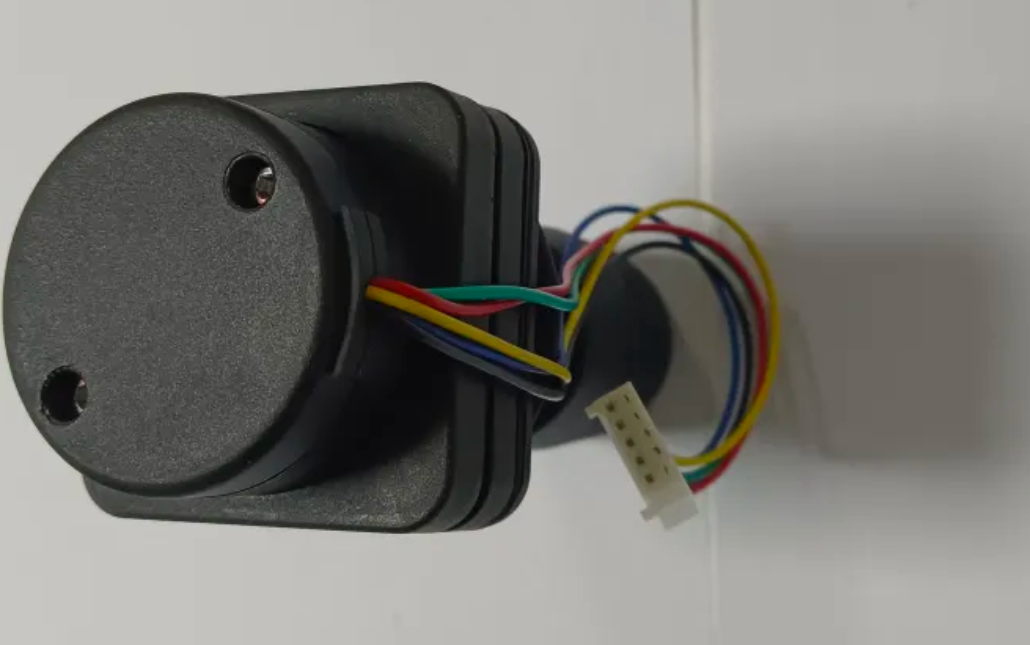
HUACELIANGYI leverages its extensive experience in industrial control to provide DCS joysticks engineered for reliability and performance. Their joysticks are built around robust Hall Effect sensing technology, ensuring long-term, maintenance-free operation without the wear-and-tear associated with potentiometers. The mechanical construction is designed to withstand harsh conditions, featuring high IP ratings for dust and water resistance, and resilience against shock and vibration. A key strength of HUACELIANGYI is their ability to offer customized solutions. They can tailor joystick characteristics such as the number of axes, lever length, grip ergonomics, and output profiles to meet specific application requirements. Moreover, they provide complete control box solutions, integrating the DCS joystick with additional controls like buttons, switches, and displays into a single, ruggedized enclosure. This holistic approach, combined with their understanding of industrial network protocols, makes HUACELIANGYI a valuable partner for OEMs looking to implement or upgrade to a sophisticated distributed control system.
The Intelligent Choice for Modern Machine Control
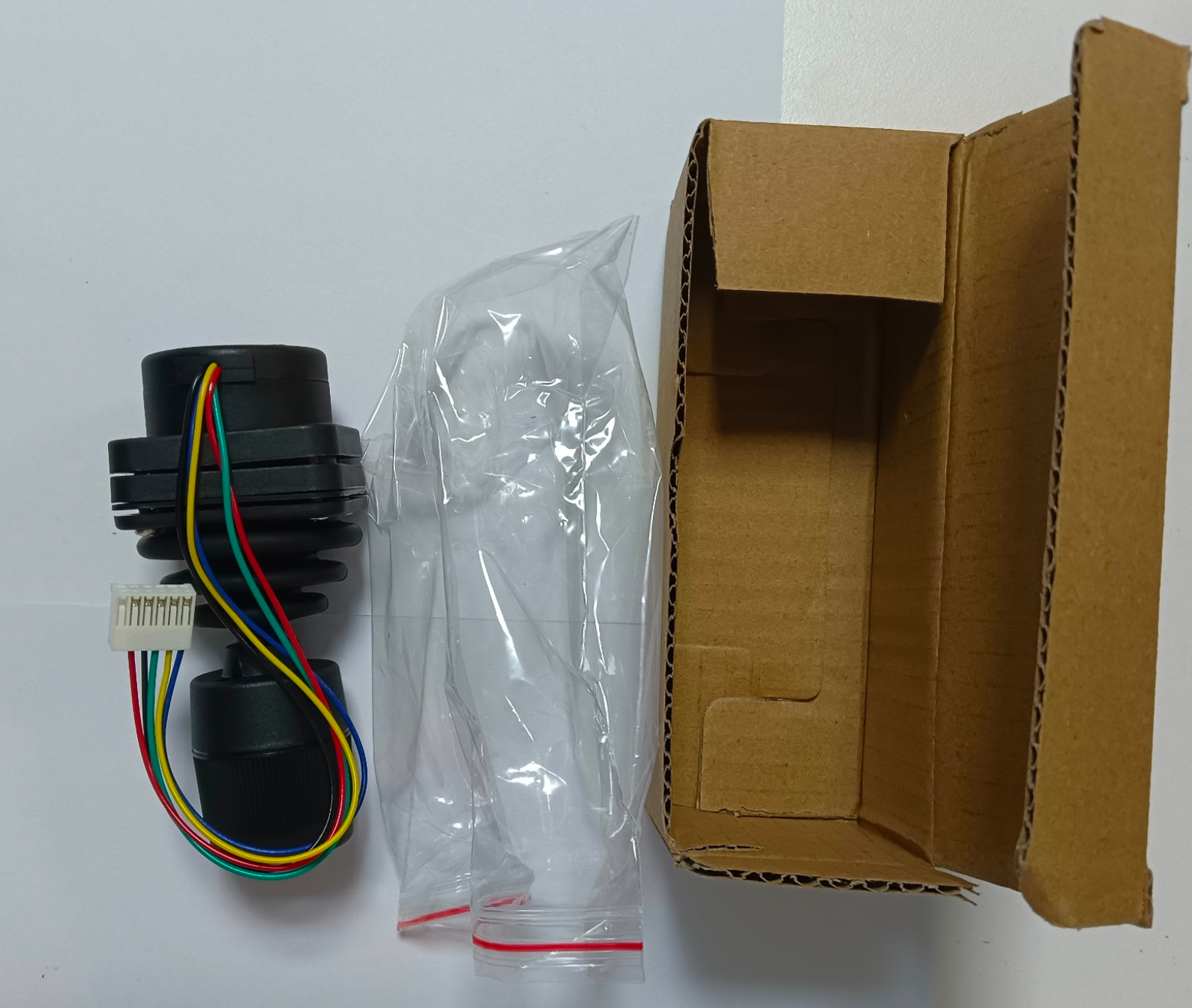
In summary, a DCS joystick is an intelligent input device designed for networked control systems, offering superior reliability, simplified installation, and advanced diagnostics compared to traditional analog joysticks. HUACELIANGYI's focus on robust construction, precision Hall Effect technology, and application-specific customization positions their DCS joysticks as a key enabling technology for modern industrial machinery. By choosing a DCS solution from HUACELIANGYI, manufacturers can build smarter, more reliable, and easier-to-maintain equipment, ultimately gaining a competitive edge in the market.