



Industrial Joystick Controller: A Complete Guide to Selection and Application
2026-03-20 15:23Industrial Joystick Controller: A Complete Guide to Selection and Application
Demystifying Joystick Technology: From Hall Effect to DCS Integration
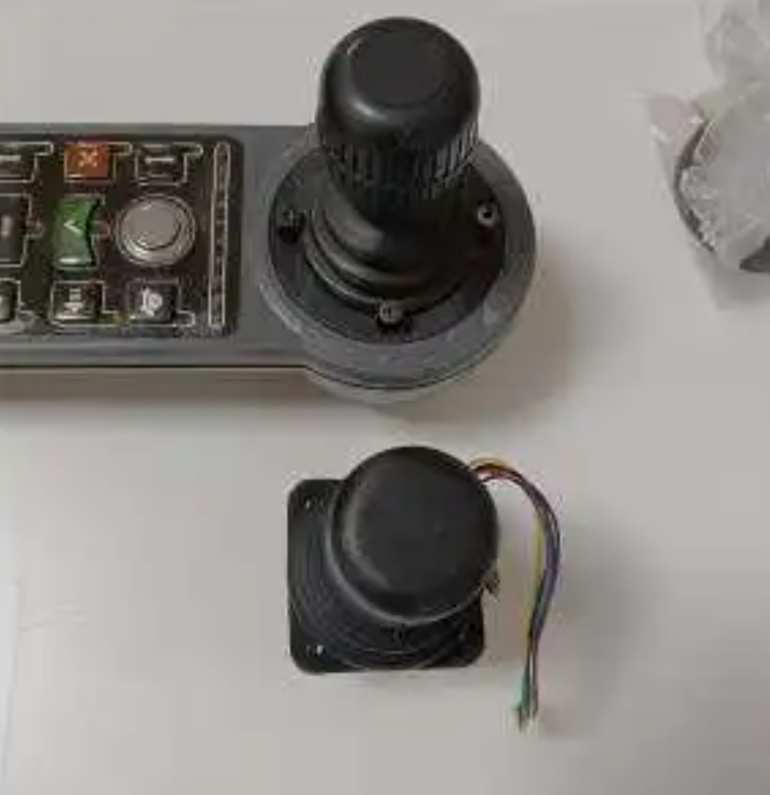
Selecting the right industrial joystick controller begins with understanding its core technology. Modern high-performance joysticks, like those offered by HUACELIANGYI, predominantly use Hall effect sensor technology. Unlike older potentiometer-based joysticks, Hall effect sensors use magnetic fields to detect movement without physical contact. This non-contact design makes them exceptionally durable, resistant to wear, and largely immune to the damaging effects of dust, moisture, and vibration—common in harsh factory environments. For applications requiring integration into complex control architectures, DCS joystick options are available. These controllers are designed to interface seamlessly with Distributed Control Systems, providing reliable, centralized command for multi-axis machinery, cranes, or heavy-duty material handlers. Understanding this technological foundation is the first step in ensuring longevity and signal reliability for demanding industrial automation tasks.
Key Selection Criteria: Environment, Ergonomics, and Electrical Interface
The application dictates the specification. A systematic selection process must evaluate three critical areas. First, assess the operating environment. For wet or corrosive areas, a joystick with a high IP rating (Ingress Protection), such as IP65 or IP67, is essential. For extreme temperatures or high EMI/RFI noise, specialized enclosures and shielding are required. Second, consider ergonomics and control needs. The required number of axes (2-axis, 3-axis), handle type (lever, knob, pistol grip), and the inclusion of additional controls like pushbuttons, triggers, or selector switches on the handle itself must align with the operator's task and comfort to reduce fatigue. Finally, the electrical interface and output signals are crucial. Options range from simple analog voltage/current outputs to digital protocols like CAN Bus, PROFINET, or USB. The choice must ensure seamless communication with the target machinery's PLC, drive, or control box.
Core Applications: Enhancing Precision in CNC, CMM, and Heavy Machinery
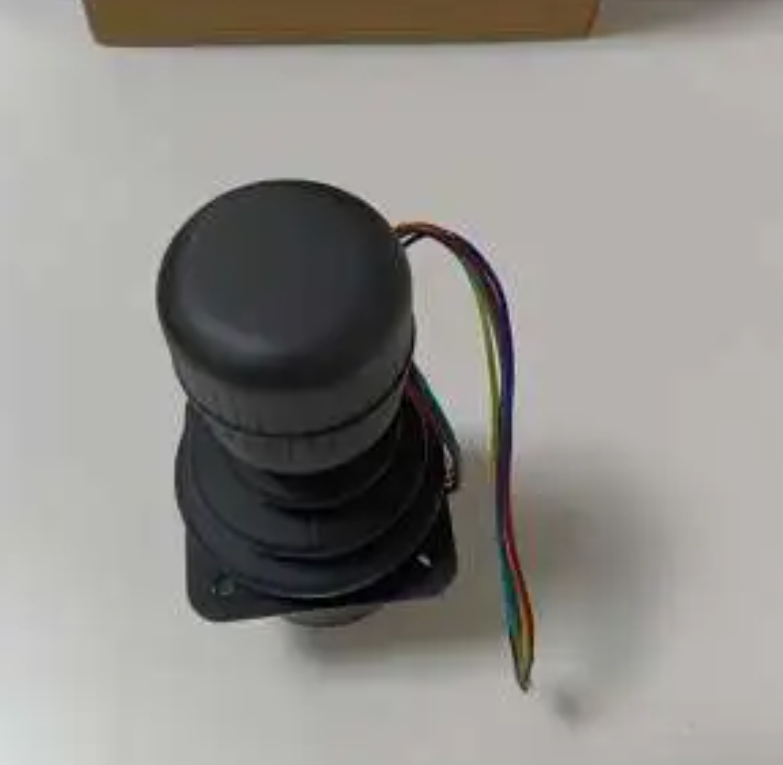
Industrial joysticks are the critical link between human intention and machine precision. In advanced manufacturing, they are indispensable for manually guiding CNC machinery during setup, tool calibration, or intricate repair work. Similarly, in quality control labs, a high-fidelity joystick provides the nuanced control needed to maneuver a CMM probe around complex part geometries during programming or manual inspection cycles. Beyond the shop floor, heavy-duty industrial joysticks excel in controlling mobile equipment like cranes, aerial work platforms, and shot peening machines, where smooth, proportional control over speed and direction is vital for safety and accuracy. The right joystick transforms an operator's input into smooth, predictable, and precise machine motion, directly impacting productivity and outcomes.
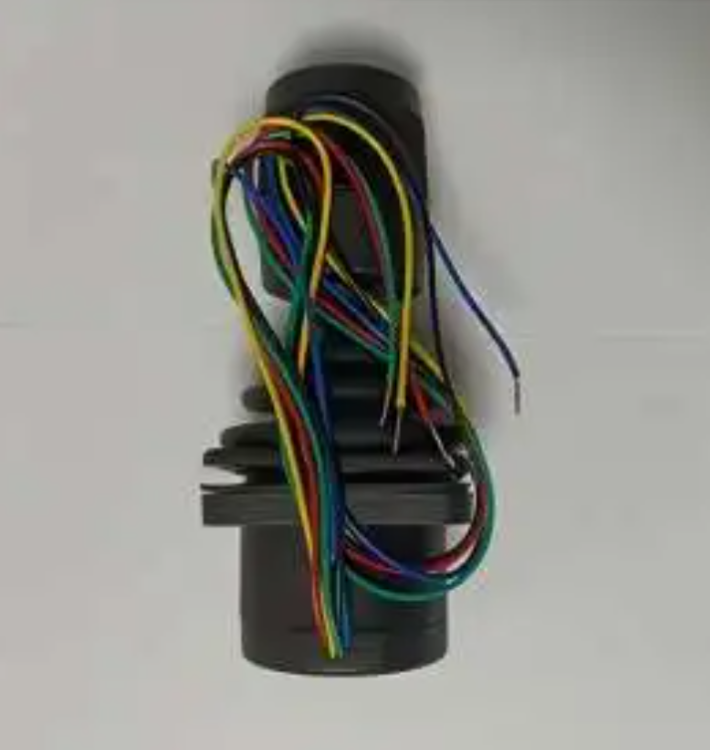
Selecting an industrial joystick controller is a strategic decision that impacts operational efficiency, safety, and equipment longevity. It requires a holistic view that marries robust Hall effect technology and appropriate environmental sealing with task-specific ergonomic design and a compatible electrical interface. By carefully considering the technical demands of the application—whether for precise CMM operation, CNC machine guidance, or control of heavy mobile equipment—manufacturers can choose a solution, like those from HUACELIANGYI, that delivers reliable, precise, and durable performance. The optimal joystick is not just a component; it is an interface that empowers operators and protects valuable machinery.