



- Home
- >
News
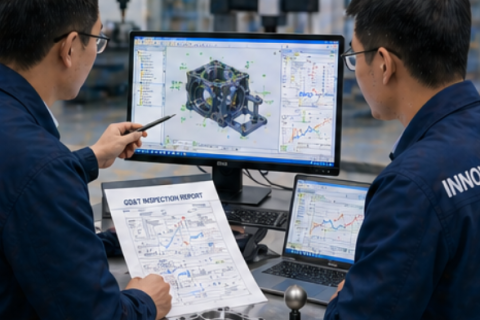
Selecting CMM measurement software for GD&T inspection requires more than checking whether the software can generate a basic report. Buyers should evaluate CAD import, datum alignment, GD&T calculation, probe compatibility, programming efficiency, reporting flexibility, traceability, data output, and operator usability. The right software should help quality teams measure complex parts accurately, reduce manual errors, standardize inspection methods, and generate clear reports for production control and customer approval. By testing the software with real drawings and inspection requirements before purchase, buyers can reduce risk and build a more reliable CMM inspection process.
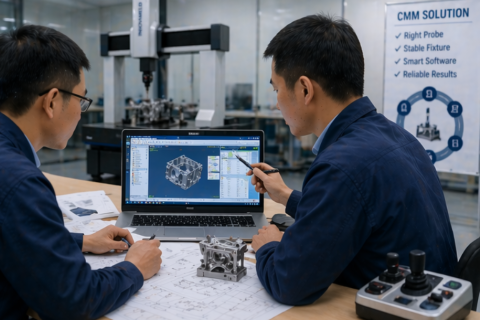
Choosing CMM probes, fixtures, and measurement software together is essential for reliable industrial inspection. The probe determines how data is collected, the fixture determines how repeatably the part is positioned, and the software determines how measurement data becomes usable quality information. Buyers should start from part drawings, tolerances, geometry, inspection frequency, and reporting requirements, then build a complete measurement package around the real application. A well-matched CMM inspection system can improve accuracy, repeatability, productivity, and long-term quality control.
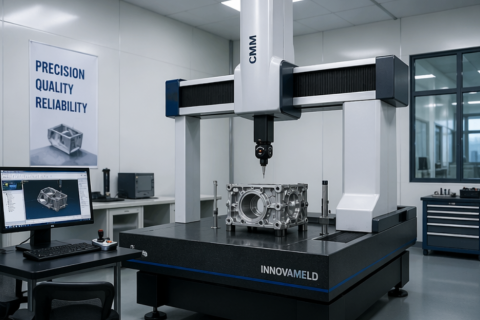
Choosing a coordinate measuring machine for industrial inspection requires a practical and application-driven approach. Buyers should begin with the actual part and inspection objective, then evaluate measuring range, accuracy, machine structure, software, probe system, environment, and future automation potential. A well-selected CMM can improve inspection reliability, reduce production risk, and support long-term quality control across different industrial applications. If you are planning a new inspection project or upgrading your current measurement capability, preparing the right technical information in advance will help you choose a more suitable and cost-effective solution.
To evaluate integration well, buyers should ask three questions: does the software help work on the shop floor, does it reduce training burden, and do measurement results flow back into process action? If the answer is yes, the system is integrated in a practical sense, not just a technical one.
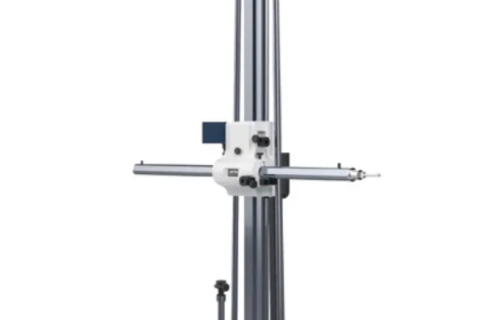
The right combination is not the one with the most devices. It is the one where each device has a clear role: CMM for deeper verification, probe for setup and in-process correction, tool setter for tool condition and compensation, and software for connection and reporting. When those roles are defined clearly, buyers get a system instead of a collection of products.
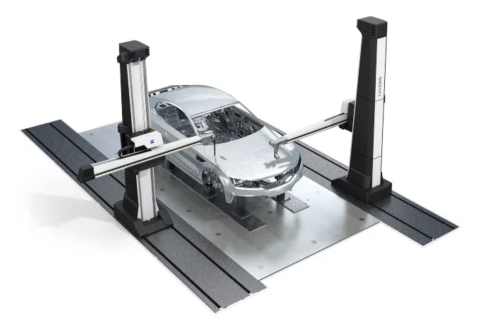
In conclusion, a tour of HUACELIANGYI's facilities reveals more than just a manufacturing plant; it unveils a comprehensive ecosystem dedicated to the pursuit of metrological perfection. From the foundational stability of the climate-controlled production hall to the skilled craftsmanship on the assembly line and the rigorous, data-driven validation in the metrology lab, every step is meticulously engineered to build not just measuring machines, but instruments of trust. This vertical integration and unwavering commitment to quality control at every stage is what distinguishes HUACELIANGYI and assures customers that they are investing in precision that is built to last.