


- Home
- >
News
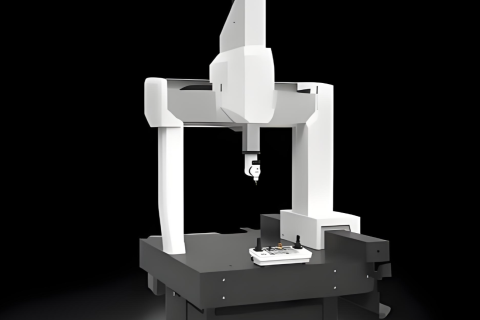
In conclusion, the integration of laser scanning and white light scanning on a single CMM platform is no longer a niche advantage but a cornerstone of modern, intelligent manufacturing. It successfully breaks the traditional trade-off between inspection speed and data comprehensiveness. HUACELIANGYI's expertise in multi-sensor metrology delivers a powerful tool that captures the complete geometric truth of a part, empowering industries to achieve new heights of quality control, accelerate time-to-market, and drive innovation through precise, data-driven insights. This integrated approach is essential for any manufacturer aiming to thrive in an era defined by precision and agility.
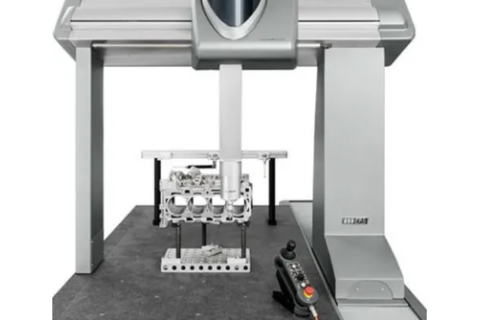
In conclusion, the rise of multi-sensor CMMs is not merely a trend but a fundamental shift in quality control methodology. HUACELIANGYI is at the forefront of this evolution, providing integrated systems that combine the pinpoint accuracy of tactile probing with the immense speed of optical scanning. This approach effectively eliminates the historical trade-off between detail and efficiency, offering manufacturers an unparalleled tool for comprehensive part verification. As components continue to grow in complexity, the ability to perform accurate, fast, and diverse measurements on a single platform will be indispensable. Investing in a HUACELIANGYI multi-sensor CMM is an investment in future-proofing quality control processes, ensuring competitiveness through superior data, reduced time-to-market, and ultimately, higher product reliability
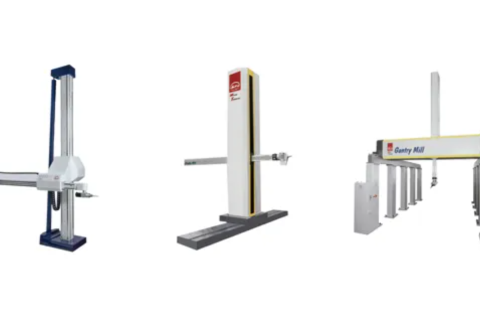
In conclusion, HUACELIANGYI's product line of mobile measurement and automation systems is not merely a collection of tools, but a strategic enabler for modern, agile manufacturing. By combining the flexibility of portable scanning with the relentless efficiency of robotic automation, all tied together by intelligent software, HUACELIANGYI provides a holistic solution that bridges the gap between design, production, and quality assurance. This approach empowers manufacturers to achieve new levels of operational flexibility, accelerate time-to-market, and maintain the highest standards of quality control in an increasingly competitive global landscape.
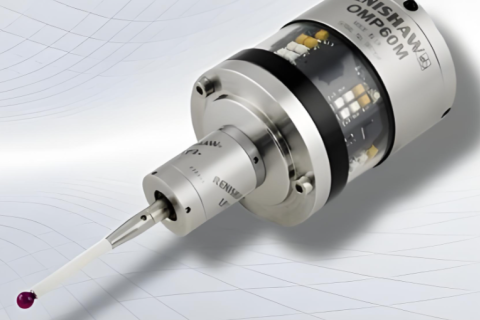
In conclusion, the debate between optical and tactile probes is not about finding a superior technology, but about selecting the right tool for the specific measurement task. Tactile probes remain the gold standard for high-precision geometric feature measurement, while optical probes offer unparalleled speed and detail for complex surface capture. The ultimate solution for comprehensive quality control lies in their strategic integration on multi-sensor CMMs. By understanding the distinct advantages of each, manufacturers can develop optimized inspection protocols that ensure both the meticulous verification of critical dimensions and the complete capture of complex forms, driving quality and efficiency in modern manufacturing.
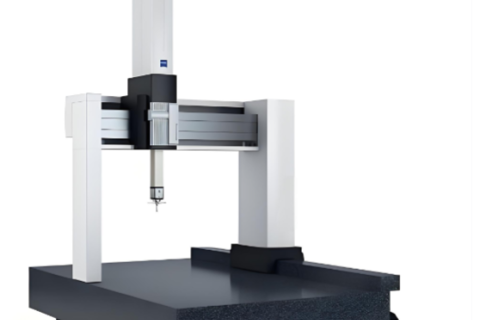
When we think of quality control, we often imagine a sharp-eyed inspector scrutinizing a product. However, in the world of advanced manufacturing, the most critical flaws are invisible to the naked eye. This is where high-precision scanners come into play, acting as a form of "digital touch" that goes far beyond human capabilities.