


The Rise of Multi-Sensor CMMs
2026-02-02 12:11The Rise of Multi-Sensor CMMs
Overcoming the Limitations of Single-Sensor Inspection
The evolution of manufacturing towards more complex, free-form geometries and stringent quality requirements has exposed the inherent limitations of traditional, single-sensor Coordinate Measuring Machines (CMMs). While tactile (touch-trigger) probes excel at capturing precise dimensional data from defined geometric features like holes and bosses, they are inherently slow and impractical for comprehensively scanning complex surfaces. Conversely, optical sensors (like laser scanners and vision systems) can capture dense point clouds of complex contours rapidly but may struggle with feature edges, deep recesses, or specific material properties. This technological gap created a bottleneck, often forcing manufacturers to use multiple dedicated machines for a single part—a process that is time-consuming, costly, and introduces alignment errors. The rise of multi-sensor CMMs, a core strength of HUACELIANGYI's product line, is a direct response to this challenge. By integrating multiple sensing technologies onto a single, precise mechanical platform, these advanced systems are engineered to overcome the compromise between accuracy, speed, and versatility, setting a new standard for complete part inspection.
The Integrated Power of Tactile, Optical, and Laser Scanning
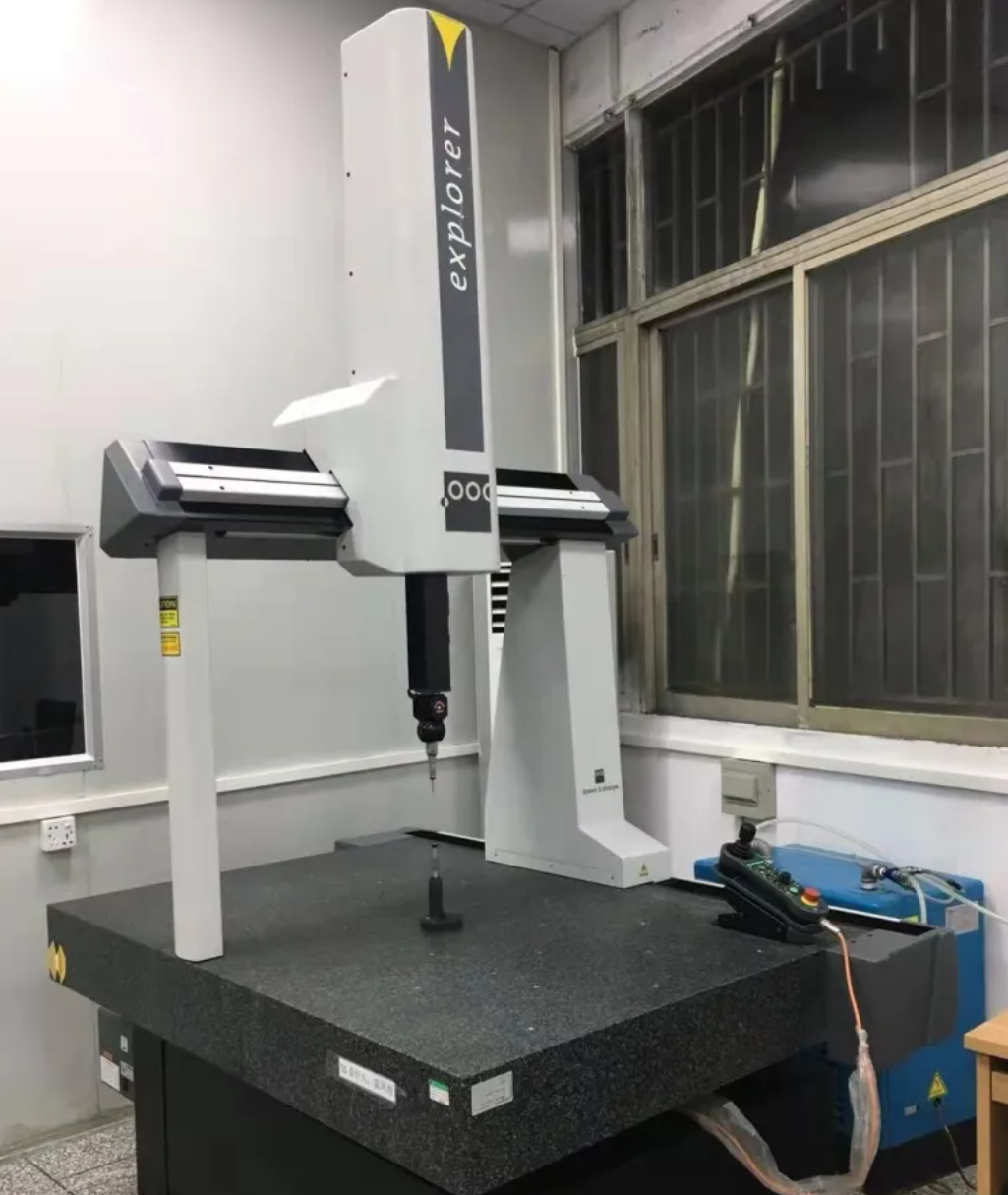
HUACELIANGYI's multi-sensor CMMs exemplify the synergy achieved by combining complementary technologies. The inspection process begins with a high-accuracy tactile probe to establish the part's coordinate system and measure critical geometric features and datums with micron-level precision. This foundational data ensures the highest accuracy for all subsequent measurements. The system then automatically switches—via a motorized articulating wrist or a tool-changer—to a non-contact sensor. A laser line scanner can then rapidly sweep across the part's surface, capturing millions of data points to create a detailed 3D map of complex contours, free-form surfaces, and textures in seconds. For certain applications, a vision sensor might be used for high-speed 2D measurements or character recognition. The true power lies in the seamless integration within HUACELIANGYI's sophisticated software, which automatically aligns and merges the disparate datasets from each sensor into a single, comprehensive digital model of the part. This eliminates the need for manual data stitching and ensures all measurements are referenced to a common datum frame.
Driving Efficiency and Accuracy Across Key Industries
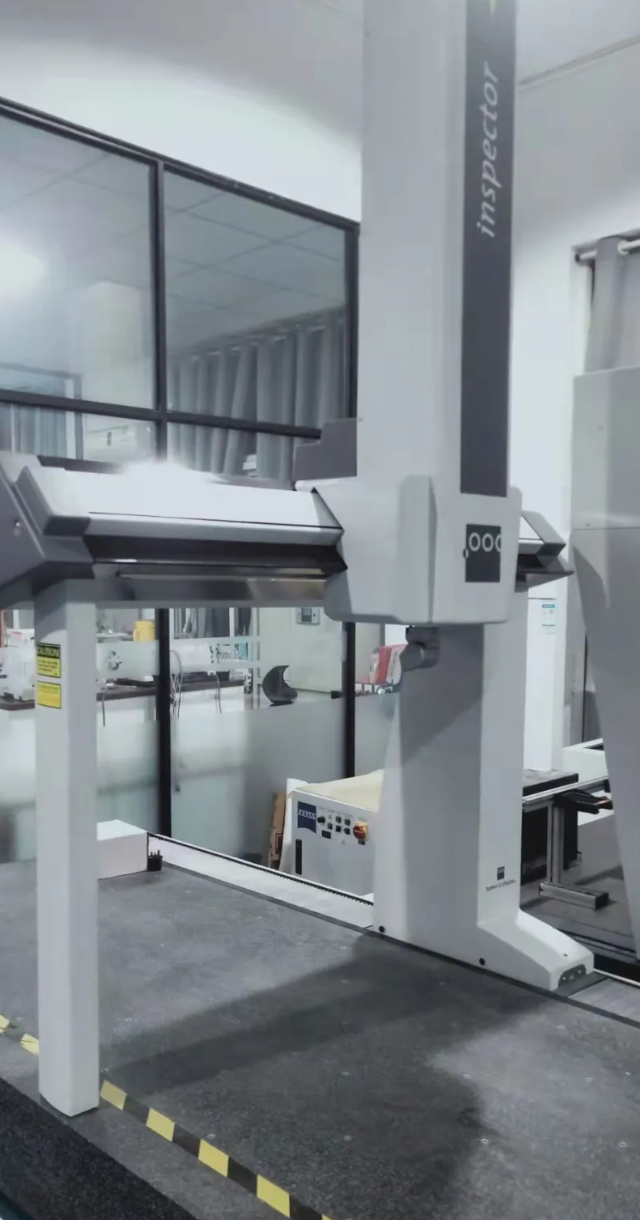
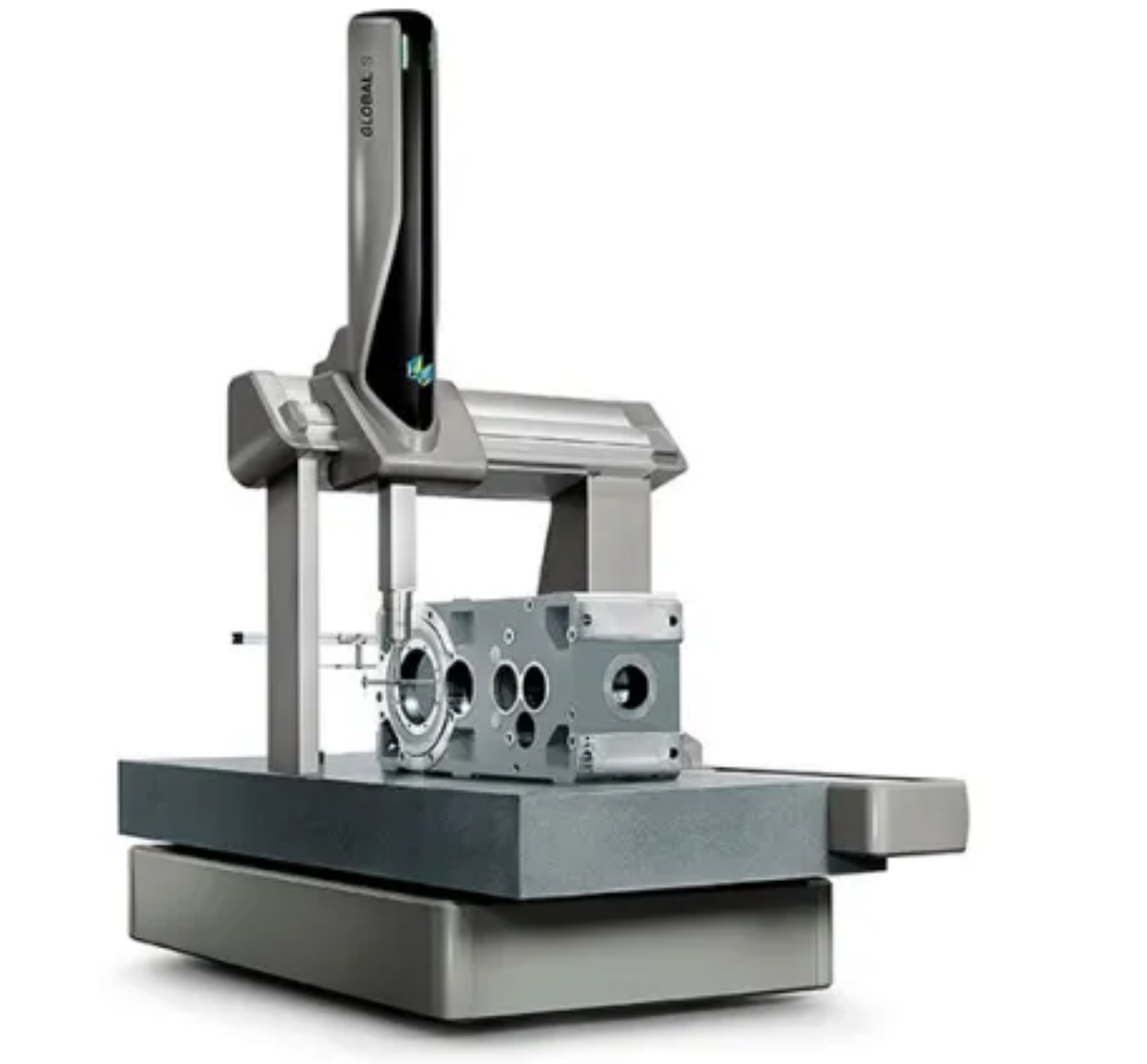
The practical benefits of adopting HUACELIANGYI's multi-sensor CMM technology are transformative across major manufacturing sectors. In the automotive industry, a single part like an engine block or a transmission housing can be inspected completely on one machine: the tactile probe checks bore diameters and true position of critical features, while the laser scanner verifies the sealing surface flatness and overall casting geometry. This drastically reduces inspection time and fixture complexity. In aerospace, turbine blades with complex airfoils can have their base dimensions verified by touch before the entire surface is scanned for contour deviation analysis. For consumer electronics and medical devices, these systems can measure both the precise internal dimensions of a housing with a touch probe and the surface quality of a glossy or delicate component with an optical sensor without causing damage. The result is a dramatic increase in inspection throughput, a significant reduction in operational costs (by eliminating multiple dedicated machines), and the acquisition of a richer, more complete dataset that enables true quality assurance and facilitates root-cause analysis.
The Future of Metrology is Multi-Sensory
In conclusion, the rise of multi-sensor CMMs is not merely a trend but a fundamental shift in quality control methodology. HUACELIANGYI is at the forefront of this evolution, providing integrated systems that combine the pinpoint accuracy of tactile probing with the immense speed of optical scanning. This approach effectively eliminates the historical trade-off between detail and efficiency, offering manufacturers an unparalleled tool for comprehensive part verification. As components continue to grow in complexity, the ability to perform accurate, fast, and diverse measurements on a single platform will be indispensable. Investing in a HUACELIANGYI multi-sensor CMM is an investment in future-proofing quality control processes, ensuring competitiveness through superior data, reduced time-to-market, and ultimately, higher product reliability