



The "Sense of Touch" in Surgical Robots: How Force Feedback Joysticks Make Remote Surgery More Precise and Safer
2025-12-11 15:39The "Sense of Touch" in Surgical Robots: How Force Feedback Joysticks Make Remote Surgery More Precise and Safer
1. Bridging the Physical Gap: The Principle of Force Feedback Technology
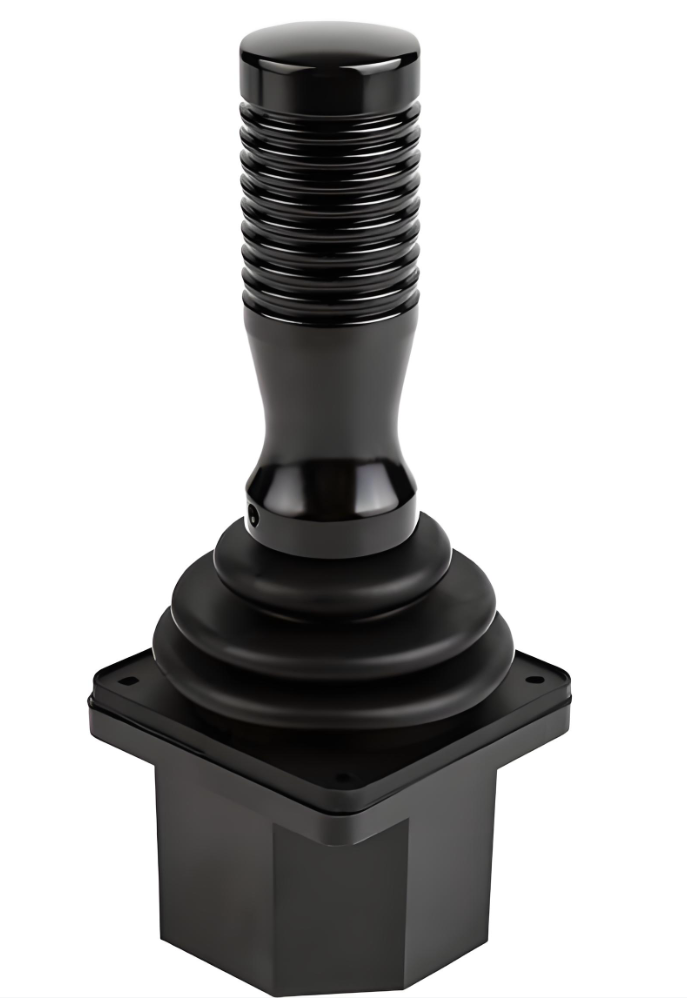
In traditional surgery, a surgeon's sense of touch is a critical diagnostic and guiding tool, allowing them to feel the texture, density, and resistance of tissues. Robotic-assisted surgery, however, creates a physical separation between the surgeon and the patient. This is where force feedback joysticks become revolutionary. These are not ordinary joysticks; they are advanced human-machine interface (HMI) devices equipped with sophisticated sensors and actuators. As a surgeon manipulates the joystick to control robotic arms inside the patient's body, the joystick does more than just send commands. It receives real-time data about the forces encountered by the surgical instruments—such as the pressure when suturing a vessel or the resistance of a specific tissue. This data is then translated into tactile sensations, literally pushing back against the surgeon's hand. This technology, known as haptic feedback, effectively bridges the physical gap, restoring the crucial tactile dimension that was once lost in teleoperated procedures.
2. Enhancing Surgical Precision and Safety Through Tactile Cues
The application of force feedback extends far beyond a mere immersive experience; it is a fundamental safety and precision mechanism. During delicate procedures, such as navigating near fragile arteries or manipulating soft organs, excessive force can lead to tissue damage, bleeding, or other complications. A force feedback joystick provides the surgeon with a quantifiable and intuitive sense of the forces being applied. For instance, if the instrument contacts a rigid calcified tissue, the joystick will generate increased resistance, warning the surgeon to proceed with caution. Conversely, when working with delicate sutures, subtle vibrations can confirm contact. This direct tactile input allows for more consistent suture tension, safer dissection, and overall gentler tissue handling. By providing these critical cues, force feedback technology significantly reduces the risk of iatrogenic injuries and enhances the consistency of surgical outcomes, making procedures like minimally invasive surgery not just possible, but exceptionally controlled.
3. The Engineering Excellence Behind Reliable Haptic Systems
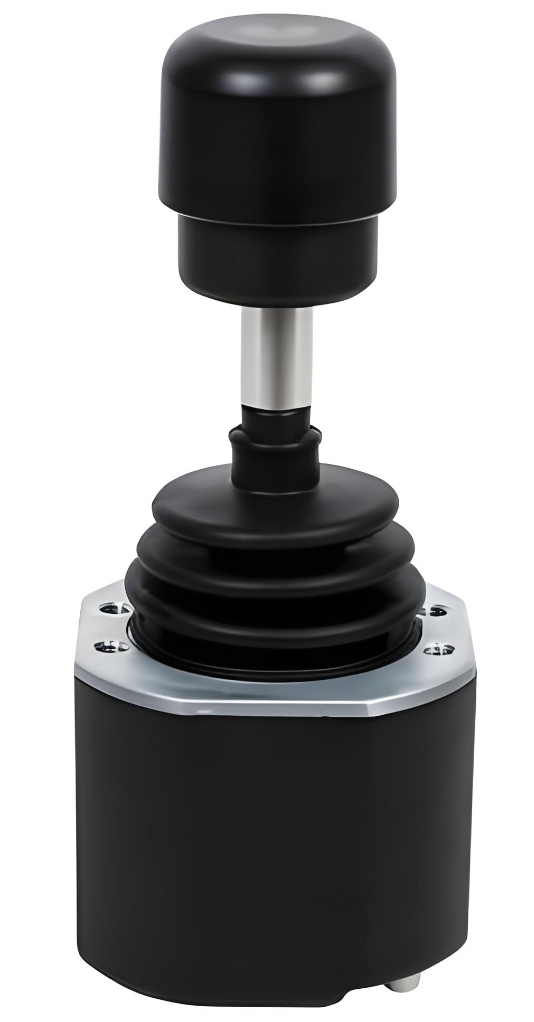
The reliability of a force feedback joystick in a high-stakes environment like an operating room is paramount. Companies like Innovameld specialize in the engineering rigor required for such mission-critical applications. These joysticks are built with high-precision Hall effect sensors rather than traditional potentiometers, offering exceptional accuracy and a much longer lifespan without degradation in signal quality. Furthermore, advanced temperature compensation algorithms are integrated to ensure performance remains stable regardless of changes in the operating room environment. This industrial-grade reliability, combined with ultra-reliable measurement solutions at the component level, ensures that the haptic feedback the surgeon receives is not only precise but also consistently accurate throughout the longest procedures. This unwavering reliability is what allows surgeons to fully trust the technology, empowering them to perform at their best.
Conclusion
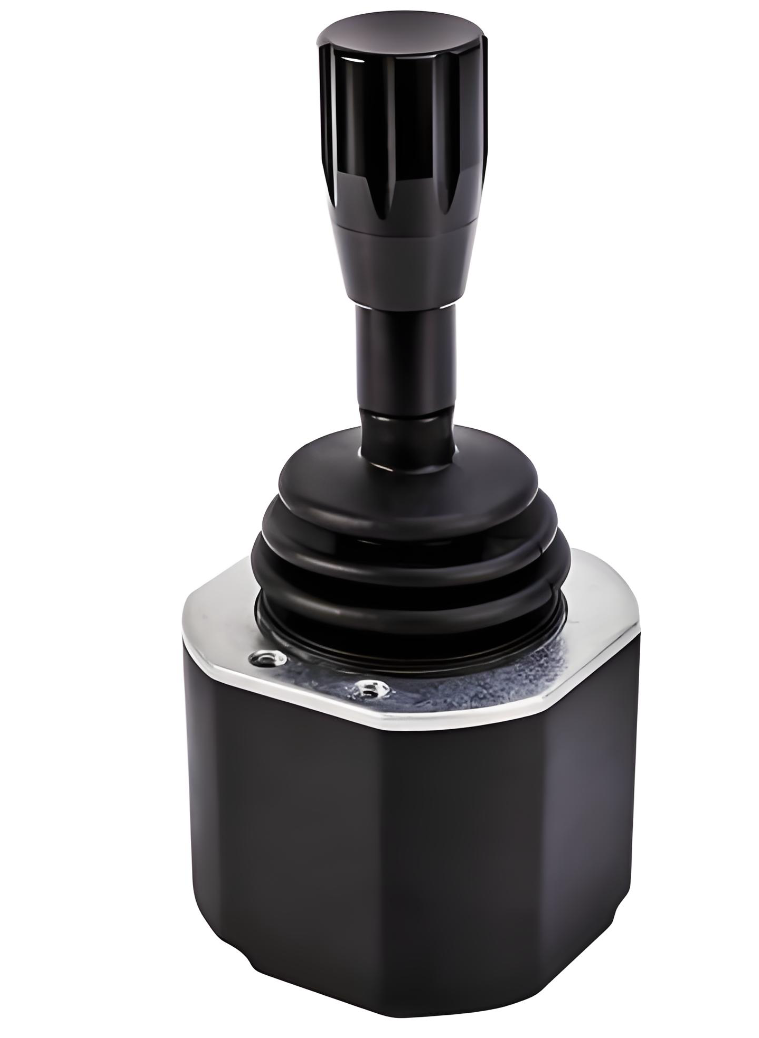
In conclusion, force feedback joysticks are far more than simple controllers; they are the vital conduit for the surgeon's "sense of touch" in the digital age of surgery. By translating intraoperative forces into intuitive tactile feedback, this technology dramatically enhances surgical precision, minimizes risks, and elevates patient safety. As robotic surgery continues to evolve, the role of reliable, high-fidelity haptic interfaces, engineered with the utmost precision and reliability, will remain indispensable in pushing the boundaries of what is possible in medicine.