

How to Evaluate a Metrology Supplier’s After-Sales Service and Support Network?
2026-04-18 13:39The Foundation: Verifying Technical Support Depth and Response Protocols
The first and most critical pillar of a robust after-sales framework is the caliber and accessibility of its technical support team. For a high-precision capital investment like a Coordinate Measuring Machine (CMM) or an automated inspection cell, generic helpdesk support is insufficient. Evaluation must probe the supplier's technical expertise and escalation procedures. Are support engineers specialists in metrology, with deep application knowledge in your specific industry, such as automotive sheet metal inspection or aerospace blade measurement? What are the guaranteed response times for different severity levels—is 24/7 phone or remote support available for critical production line stoppages? A supplier like HUACELIANGYI typically structures its support in tiers: frontline support for basic troubleshooting, followed by senior application engineers who can remotely diagnose complex software or probing issues, and finally, on-site specialist support. Crucially, you must assess their remote diagnostic capabilities. Can they securely connect to your machine to analyze logs, update software, or even perform guided calibrations? This not only speeds up resolution but also minimizes costly downtime. Ask for documented Service Level Agreements (SLAs) and demand references from current customers regarding actual support experiences. The goal is to ascertain that the supplier’s knowledge base is as sophisticated as the equipment they sell.
The Global and Local Network: Assessing Service Reach, Spare Parts Logistics, and Calibration
The second pillar examines the tangible infrastructure that delivers support: the service network. For multinational corporations, a global support footprint with regional technical centers is non-negotiable. You must verify the proximity and capability of local service engineers. Are they directly employed and trained by the manufacturer, or are they subcontracted third parties? Manufacturer-trained engineers, as employed by established suppliers, possess proprietary training on specific machine kinematics and software, leading to faster, more accurate repairs. The evaluation must extend to spare parts logistics. What is the spare parts availability for critical components like probes, controllers, or air bearings? Is there a local parts depot, and what are the standard delivery times for common and critical items? A reliable supplier maintains a strategic inventory to minimize wait times. Furthermore, the support network's role in metrology assurance is vital. Inquire about their on-site calibration service. Can their certified engineers perform periodic ISO 17025-accredited calibrations and volumetric accuracy verifications at your facility? A supplier that offers comprehensive preventive maintenance contracts, including regular calibration, software updates, and mechanical health checks, transforms from a vendor into a long-term partner for measurement integrity. This holistic approach ensures your equipment remains a trusted asset, not a depreciating liability.
Beyond Repairs: Evaluating Training, Software Support, and Lifecycle Partnership
The third, and often differentiating, pillar is the supplier’s commitment to customer success beyond breakdowns. Superior after-sales is proactive, focusing on maximizing your equipment's uptime and utility. This begins with comprehensive operator training. Does the supplier offer structured, hands-on training programs at installation, and advanced courses for complex measurement routines? Is training material available in your local language? Next, assess software support and updates. Metrology software is the brain of the system. How frequently are updates and patches released to improve functionality or security? Is there an easy path for software upgrades? A supplier that provides ongoing application engineering support—helping you program new parts, optimize measurement strategies, or integrate the CMM with factory networks—adds tremendous value. Finally, consider the equipment lifecycle partnership. Will the supplier support your machine with repairs, upgrades, and parts for its entire operational life, potentially 15+ years? Can they assist with equipment relocation and re-qualification if you move facilities? The true test of a support network is its dedication to ensuring your investment yields continuous productivity and return on investment (ROI), fostering a partnership that evolves as your measurement needs grow.
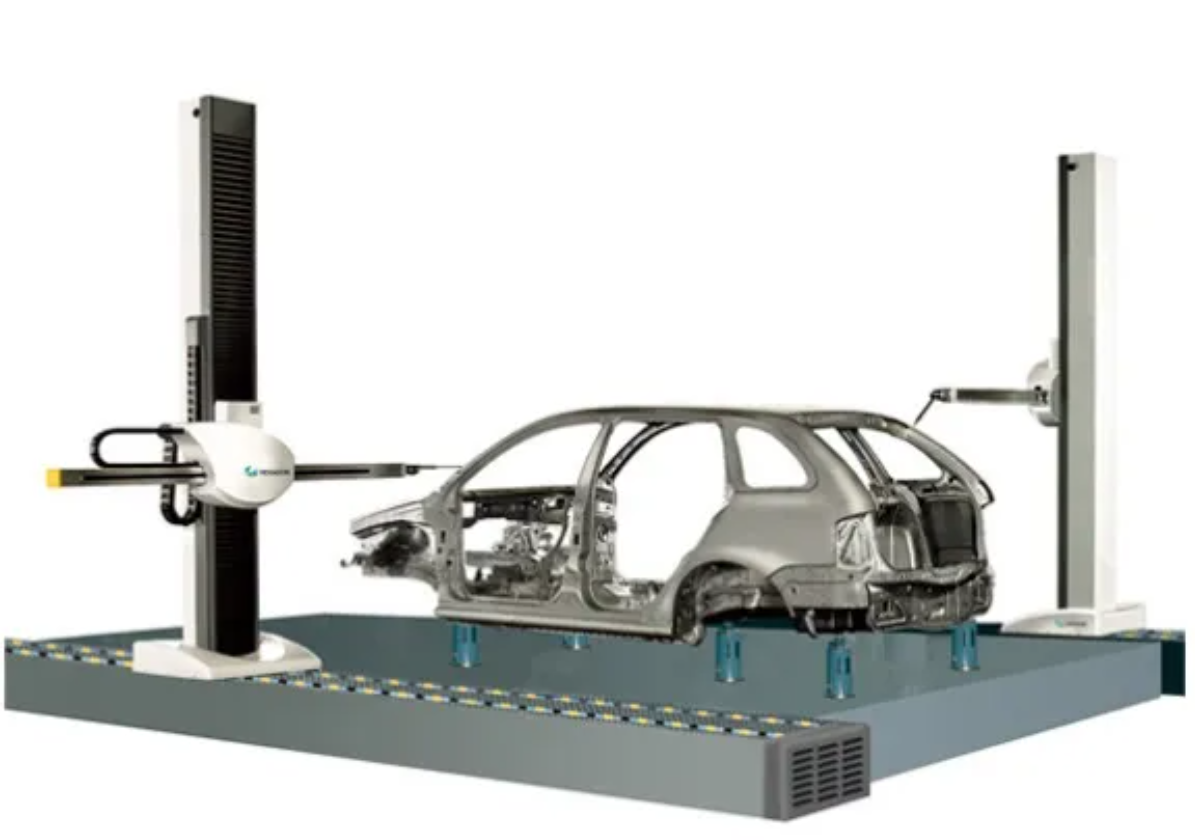
Selecting a metrology supplier is a long-term decision where the after-sales service and support network are as critical as the hardware specification. A thorough evaluation must move beyond price to scrutinize the three pillars: the technical expertise and responsiveness of the support team, the reach and reliability of the physical service and logistics network, and the proactive partnership focused on training, software, and lifecycle value. A supplier like HUACELIANGYI, which invests deeply in a direct, well-trained global engineering force, robust spare parts logistics, and comprehensive customer success programs, does not just sell a machine—it sells measurement confidence and operational continuity. In the high-stakes world of precision manufacturing, this support network is your ultimate insurance policy for quality, productivity, and a strong return on your metrology investment.