

Good News for Lefties: How "Human-Centered" Industrial Design Benefits Everyone
2025-12-15 16:13Good News for Lefties: How "Human-Centered" Industrial Design Benefits Everyone
1. Beyond Ambidextrous: The Ergonomic Imperative of Specialized Controls
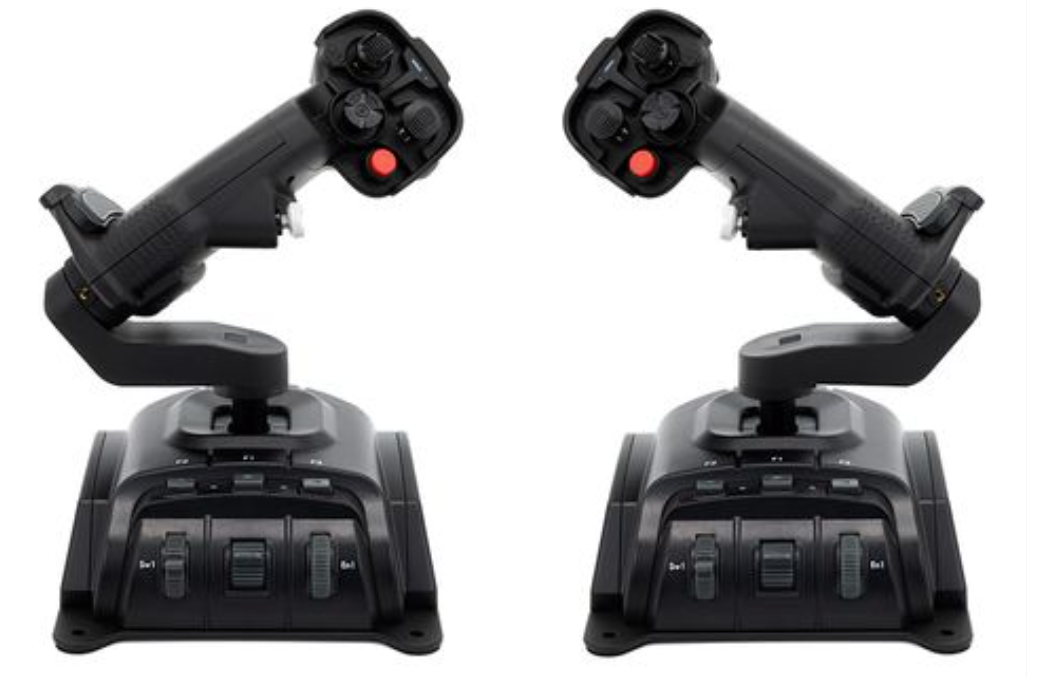
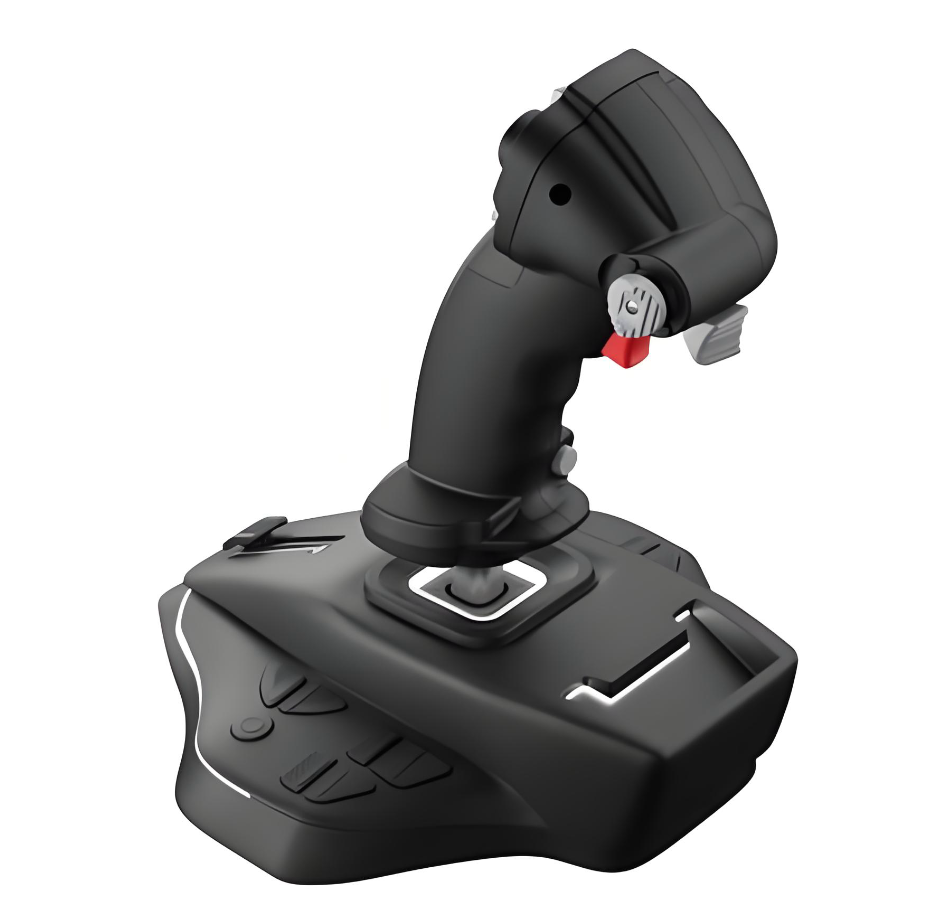
The conventional approach to accommodating left-handed users in industrial settings has often been to create ambidextrous or symmetrical joysticks. However, true human-centered design recognizes that this one-size-fits-all solution is a compromise that can disadvantage both left and right-handed operators. A dedicated left-handed joystick is engineered with a specific ergonomic profile that naturally fits the grip, hand size, and range of motion of a left-handed person. This deliberate design eliminates the awkward wrist angles and muscle fatigue associated with using a right-handed or ambidextrous device for extended periods. By prioritizing ergonomic comfort and intuitive operation for a specific user group, manufacturers like InnovaMeld directly address the unique needs of a significant portion of the workforce, leading to reduced physical strain and enhanced operator well-being.
2. Enhancing Safety and Precision Through Intuitive Operation
In high-stakes environments such as operating heavy machinery, surgical robots, or precision assembly lines, control intuitiveness is directly linked to safety and accuracy. When an operator uses a control interface that aligns with their natural dexterity, their cognitive load is reduced. They can react more quickly and precisely because the control movements become an extension of their thought processes. This intuitive control is a critical outcome of specialized design. For a left-handed operator, a left-handed industrial joystick means that directions feel natural—push forward to move forward, pull back to reverse—without the mental translation often required when using a right-handed setup. This reduction in cognitive friction minimizes the risk of error and enhances operational safety, proving that designing for inclusivity is not just a matter of comfort but a fundamental component of risk mitigation and precision engineering in modern industry.
3. The Ripple Effect: How Inclusive Design Drives Universal Innovation
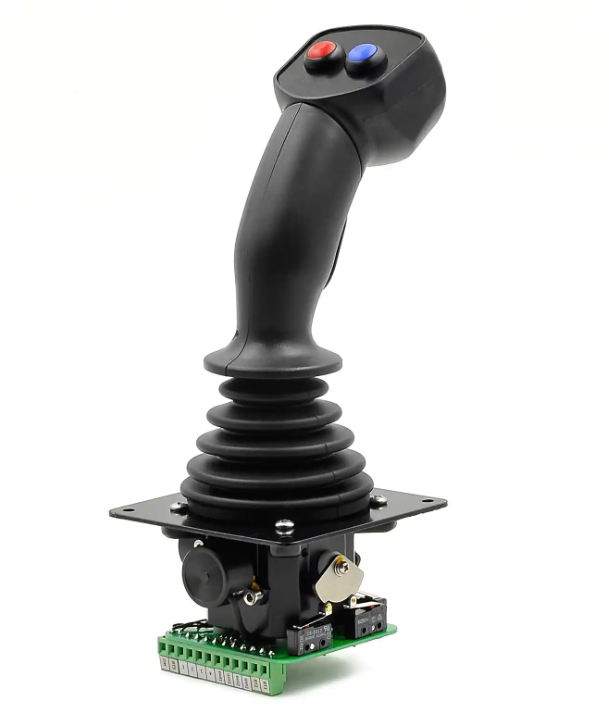
The benefits of developing a specialized left-handed joystick extend far beyond the left-handed community. The research, development, and engineering effort required to perfect such a product often leads to innovations that improve the design for all users. The process forces a deeper analysis of ergonomic principles, grip dynamics, and material science. Insights gained from creating a high-performance left-handed control device can be applied to refine the entire product family, including right-handed models. This might result in better button placement, more durable materials, or advanced force feedback technology that benefits every operator. Furthermore, offering a choice demonstrates a company's commitment to inclusive industrial design, enhancing its brand reputation and appeal across the market. Thus, catering to the needs of a minority group catalyzes a cycle of innovation that raises the standard for everyone, embodying the principle that human-centered design ultimately creates superior products for the entire user spectrum.
Conclusion
In conclusion, the development of a left-handed joystick is a powerful case study in true human-centered design. It moves beyond mere accommodation to actively champion ergonomic excellence, operational safety, and intuitive control for a specific demographic. The resulting innovations create a positive ripple effect, driving universal improvements in product quality and safety. This approach demonstrates that by thoughtfully addressing the needs of the few, manufacturers can ultimately deliver superior experiences for all, proving that inclusive design is, in fact, superior design.