



Giving Machines "Eyes" and a "Brain": How Automatic Measuring Machines Inspect Products Like Superman
2025-12-20 17:06Giving Machines "Eyes" and a "Brain": How Automatic Measuring Machines Inspect Products Like Superman
1. Vision Revolution: How High-Resolution Imaging Systems Are Reshaping Industrial Inspection
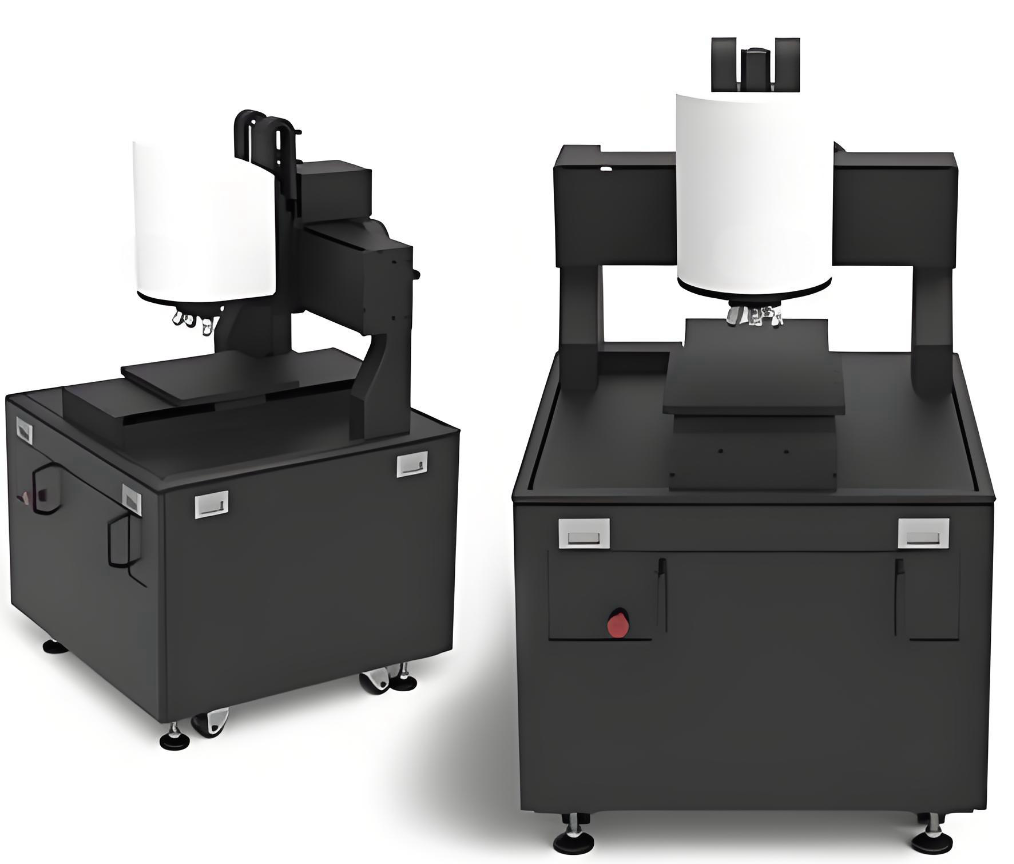
In modern manufacturing, automatic vision measuring machines have evolved into intelligent systems with superhuman visual capabilities. These devices are equipped with high-resolution industrial cameras and advanced multi-angle lighting systems, capable of capturing microscopic defects that traditional manual inspection cannot detect. By utilizing digital sensors with over 50 megapixels combined with machine vision algorithms, the system can identify surface flaws as small as 1 micron. More importantly, intelligent lighting systems can automatically adjust LED light source angles and intensity according to different material characteristics, eliminating glare interference and ensuring ideal image contrast when inspecting diverse materials such as metal, plastic, and ceramics. This automated optical inspection technology can not only perform traditional dimensional measurements but also conduct complex pattern matching and color recognition, achieving truly fully automated visual inspection and completely overcoming the limitations of human visual examination.
2. Intelligent Analysis: How AI Algorithms Enable Autonomous Decision-Making
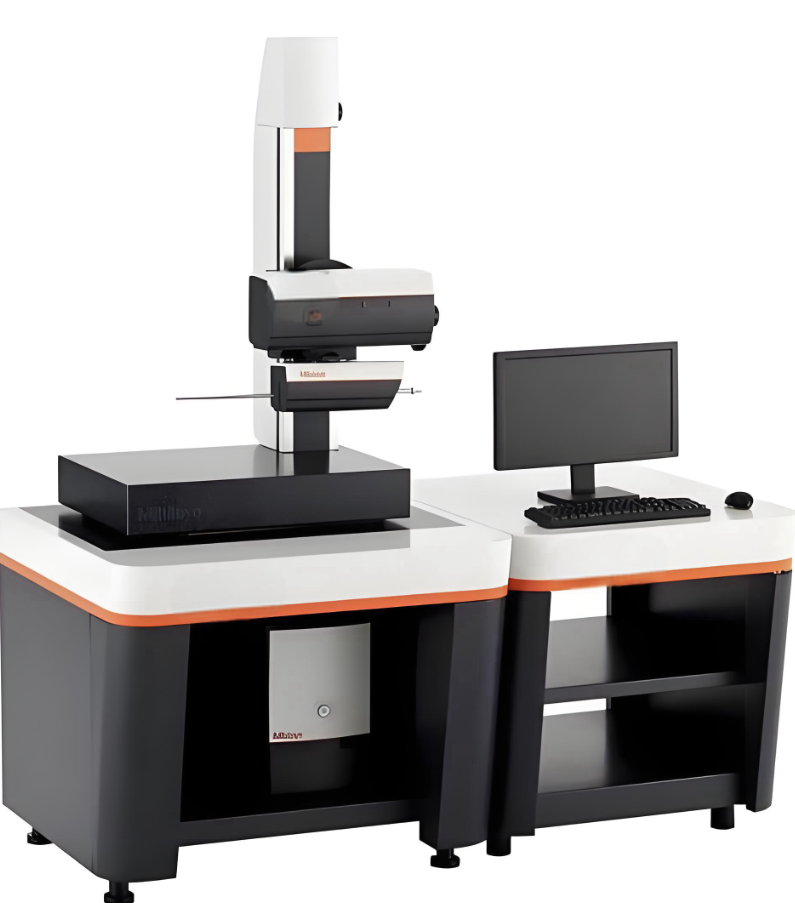
The true intelligence of automatic measuring machines is reflected in their artificial intelligence processing core. Through training with deep learning and neural network algorithms, the system can make judgments and decisions like experienced quality inspection experts. Advanced defect recognition systems no longer rely on fixed threshold parameters but establish complex defect classification models through learning from thousands of samples. In electronic component inspection, deep learning algorithms can distinguish more than ten types of defects including scratches, dents, and discoloration, while accurately identifying pseudo-defects and acceptable features. These systems also possess adaptive learning capabilities, continuously optimizing algorithms based on new inspection data to improve recognition accuracy. More importantly, the real-time data processing function enables measurement results to be immediately fed back to the production control system, achieving closed-loop quality control. When anomalies are detected, production line parameters can be automatically adjusted, truly realizing integrated intelligent management of inspection, analysis, and correction.
3. Seamless Integration: How Automated Systems Achieve 24/7 Efficient Operation
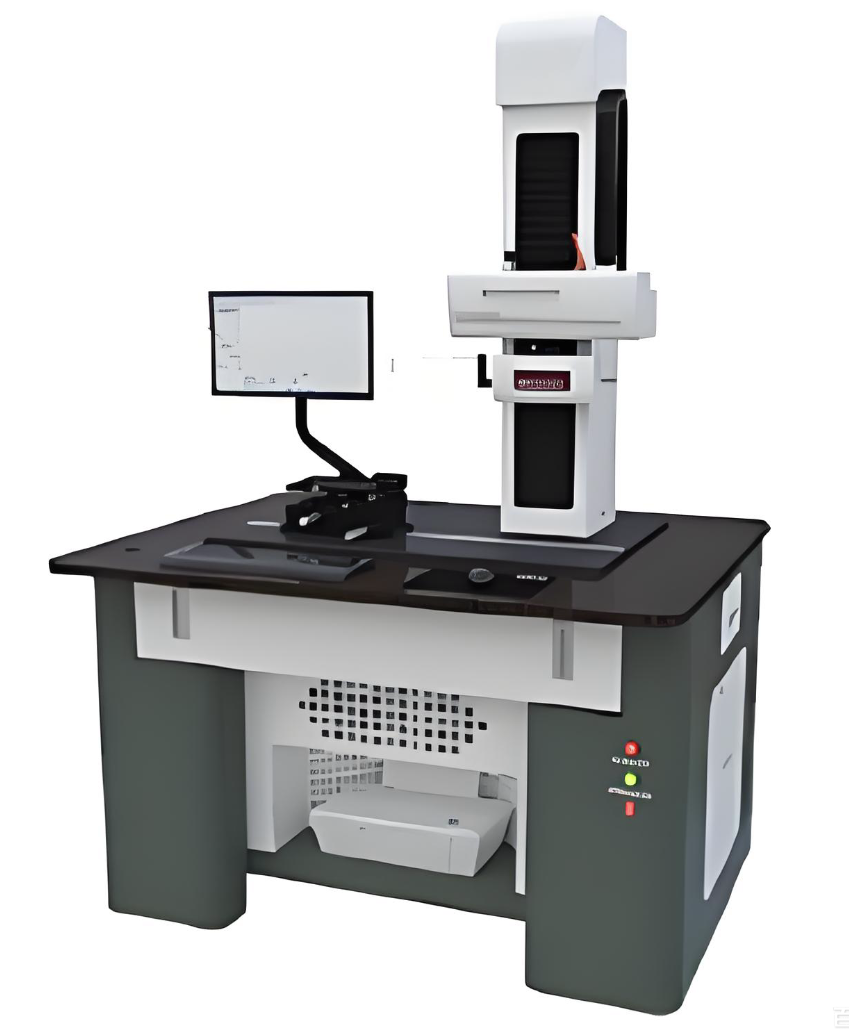
The ultimate value of modern automatic measuring machines lies in their seamless integration capability with production systems. Through Industrial Internet of Things technology, measuring machines can communicate in real-time with Enterprise Resource Planning systems and Manufacturing Execution Systems, achieving full-process automation from order receipt to quality report generation. In smart factories, measuring units equipped with robotic automatic loading/unloading systems can achieve 24/7 uninterrupted inspection, with inspection throughput reaching more than 10 times that of manual inspection. Intelligent scheduling systems automatically adjust inspection priorities according to production line rhythms, ensuring quality control for critical processes. Simultaneously, cloud-based data analysis platforms aggregate all inspection data, identifying root causes of quality issues through big data analytics, predicting equipment maintenance needs, and optimizing production process parameters. This smart manufacturing integration not only improves inspection efficiency but also eliminates quality issues at their inception through preventive quality control, achieving a fundamental transformation from passive inspection to active quality management.
Conclusion: Intelligent Measurement Technology Opens a New Era of Industrial Quality
Automatic measuring machines are fundamentally transforming traditional manufacturing quality control models by giving machines "eyes" and a "brain." From high-precision visual capture to artificial intelligence decision-making, and then to comprehensive integration with production systems, this technology achieves comprehensive breakthroughs in inspection speed, accuracy, and intelligence level. In the future transformation of manufacturing towards digitalization and intelligence, intelligent measurement systems with self-learning capabilities and system integration abilities will become core infrastructure for ensuring product quality, improving production efficiency, and achieving smart manufacturing. This represents not only technological progress in inspection but also marks the entry of industrial quality management into a new intelligent era.