


Beyond Roughness: How Advanced Profilometers Ensure Surface Integrity in Aerospace Components
2025-12-19 16:57Beyond Roughness: How Advanced Profilometers Ensure Surface Integrity in Aerospace Components
1. From 2D Parameters to 3D Topography: The Paradigm Shift in Modern Surface Measurement
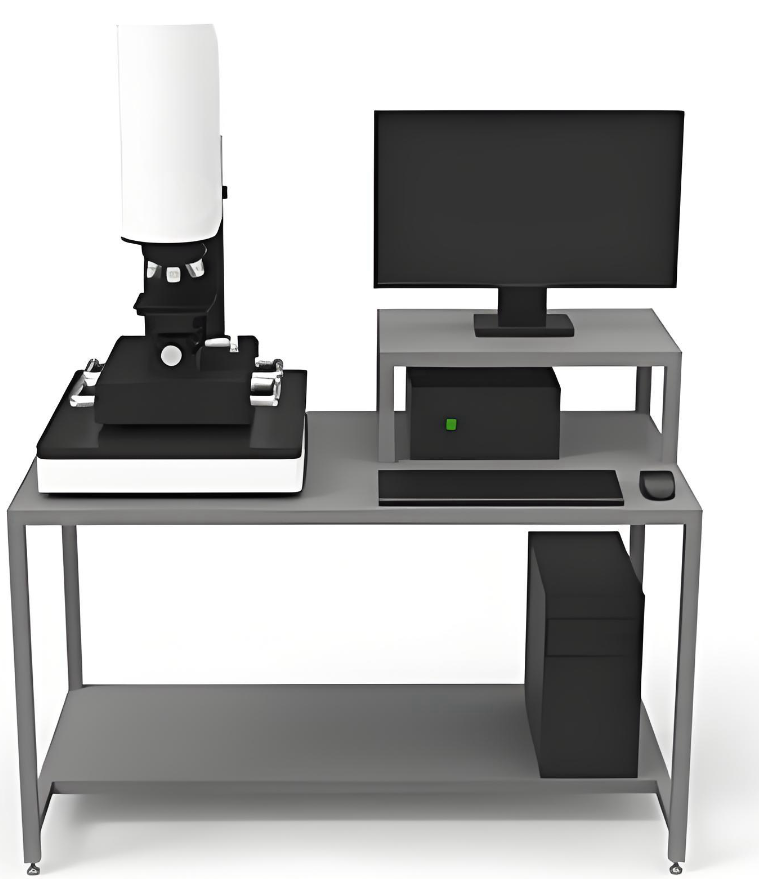
Traditional surface roughness measurement primarily focuses on 2D height parameters like Ra and Rz, which are no longer sufficient to meet the stringent requirements of the modern aerospace industry for surface integrity. The performance of critical components such as aero-engine blades, landing gear, and fuselage structural parts is not only affected by average roughness but is also closely related to the three-dimensional topographic characteristics of the surface. Modern non-contact profilers utilize white light interferometry or confocal technology to acquire complete 3D surface topography data with nanometer-level resolution. This high-resolution surface measurement technology can accurately quantify 3D characteristic parameters such as surface texture directionality, peak-to-valley distribution, and bearing area ratio, providing a scientific basis for evaluating component friction performance, sealing capability, and fatigue strength. In the field of aerospace manufacturing, surface topography analysis has evolved from a simple quality inspection tool to a key technical means for optimizing manufacturing processes and predicting component lifespan.
2. Surface Integrity: The Critical Bridge Connecting Manufacturing Processes to In-Service Performance
In the aerospace field, surface integrity is a comprehensive concept encompassing multiple dimensions: surface topography, residual stress, microstructural changes, and alterations in material properties. Advanced profile measurement technology achieves systematic assessment of this complex concept through multi-modal integration. White light interferometers can simultaneously measure surface topography and film thickness, evaluating the uniformity and bonding strength of thermal barrier coatings; laser confocal systems combined with nanometer-level measurement accuracy can detect processing-hardened layer depth and micro-crack initiation locations. More importantly, through the integration of surface metrology methods and materials science, engineers can establish quantitative relationship models between surface characteristics and component fatigue life or stress corrosion susceptibility. For example, optimizing blade surface finishing processes can increase the high-temperature fatigue life of turbine blades by over 30%. This type of process optimization not only enhances component performance but also significantly reduces the total lifecycle maintenance costs, representing an important step forward for aerospace manufacturing towards predictive engineering.

3. Digital Quality Control: Full-Process Assurance from Laboratory to Production Line
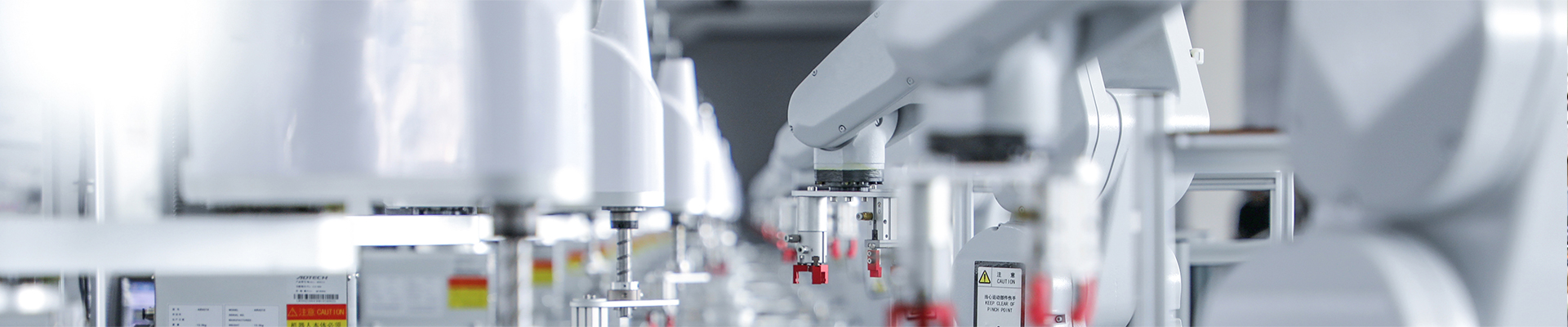
With the development of aerospace manufacturing towards intelligence and digitalization, surface measurement technology is also undergoing a comprehensive upgrade from offline laboratory inspection to online, in-machine automated inspection. Online profilers integrated into smart manufacturing cells can monitor surface quality in real-time during the machining process, achieving closed-loop management of process quality control. These systems employ robotic automatic loading/unloading and intelligent positioning technologies, combined with machine vision guidance, to enable 7×24 uninterrupted inspection. Measurement data is directly fed into the Manufacturing Execution System (MES) via an Industrial IoT platform, where it is correlated and analyzed with machining parameters, tool status, and other information through big data analytics. This digital quality assurance system can not only quickly identify process deviations but also predict the trend of surface defect generation through artificial intelligence algorithms, achieving a shift in quality control models from "inspect-correct" to "predict-prevent." In the mass production of aircraft structural components, this automated inspection system can increase inspection efficiency by more than fivefold while ensuring that every delivered component has a complete digital surface quality record, meeting the stringent traceability requirements of the aerospace industry.
Conclusion: Surface Measurement Technology—The Cornerstone of Aerospace Manufacturing Excellence
Related product and article resources
For procurement comparison and technical evaluation, readers can continue with these related product pages and supporting articles.
- Products
- Product catalog
- Contact the sales team
- Contact us
- 100% Inline Automatic Inspection for Automotive Body-in-White: Technology Breakdown
- 5-Axis Machining Centers: Capabilities for Complex Geometry Manufacturing
- 5 Key Features of High-End CMMs
- A Look Inside a Fully Automated Chassis Arc Welding Production Line
Surface profile measurement technology has evolved from simple roughness inspection to a core technical support ensuring the performance reliability and safety of aerospace components. By providing nanometer-level 3D surface information, establishing scientific correlations between manufacturing processes and in-service performance, and achieving full-process digital quality control, advanced profilers are driving aerospace manufacturing towards higher levels of precision and intelligence. Against the backdrop of continuously improving aero-engine performance and increasingly urgent demands for aircraft lightweighting, in-depth understanding and precise control of component surface integrity will become one of the key factors determining the competitiveness of aerospace products. Investing in advanced surface measurement technology is not only a necessary choice to meet current quality standards but also a strategic move to build future technological advantages.