



- Home
- >
News
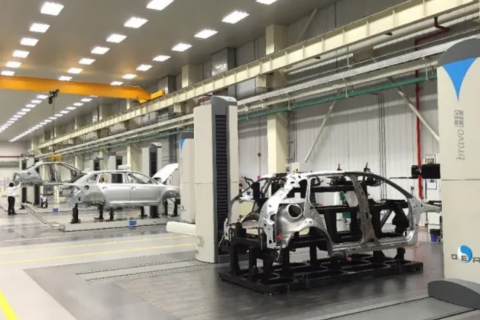
In clay model cutting, speed helps, but surface finish drives the real value. A smoother, more accurate milled surface reduces hand work, improves design review quality, supports better rescanning and iteration, and often shortens the true project cycle more than raw cutting speed alone. The smartest buyers therefore evaluate clay milling machines by asking not just how fast they cut, but how well they cut, how consistently they hold visible surfaces, and how efficiently they move a model into decision-ready form. That is why, in serious procurement, surface finish matters more than speed.
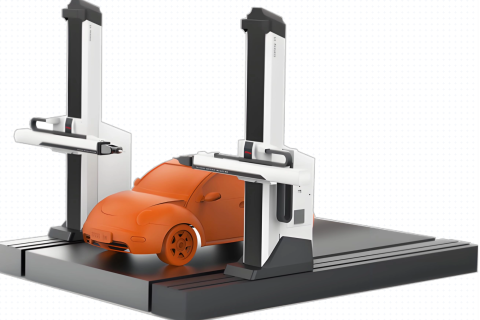
In conclusion, Clay Modeling Milling & Cutting Machines are the digital sculptors of the modern automotive design studio. They have revolutionized the way vehicles are prototyped, replacing weeks of manual labor with days of automated, high-fidelity machining. By providing a direct link from the virtual world to the physical world, these machines empower designers to iterate faster, validate more thoroughly, and ultimately bring more innovative and refined vehicles to market.
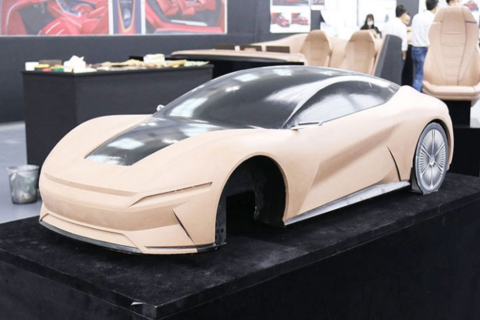
In summary, HUACELIANGYI's clay modeling milling and cutting machines serve as a critical bridge between digital design and physical reality across industries like automotive, consumer goods, and aerospace. By enabling the fast, accurate, and reliable creation of full-scale prototypes, they empower companies to validate designs, accelerate time-to-market, and ultimately create superior products. The technological prowess embedded in these machines, from their stable mechanical framework to intelligent software integration, underscores HUACELIANGYI's commitment to providing advanced manufacturing solutions that drive innovation and efficiency in modern industrial design and prototyping processes.
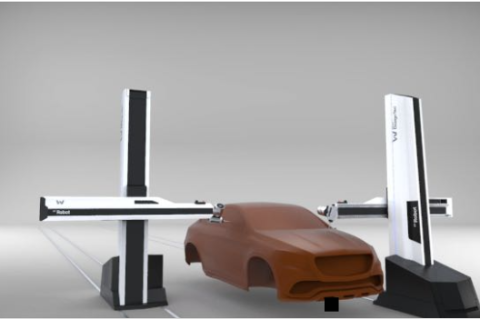
In the ever-evolving landscape of design and manufacturing, where digital tools have become predominant, one traditional practice persists and thrives thanks to technological innovation: clay modeling. The clay modeling milling machine stands as a remarkable synthesis of age-old craftsmanship and cutting-edge computer-controlled precision, serving as a critical bridge between virtual concepts and tangible reality. This technology has revolutionized how designers and engineers develop and refine complex products, particularly in industries where three-dimensional form and aesthetic appeal are paramount.