


- Home
- >
News
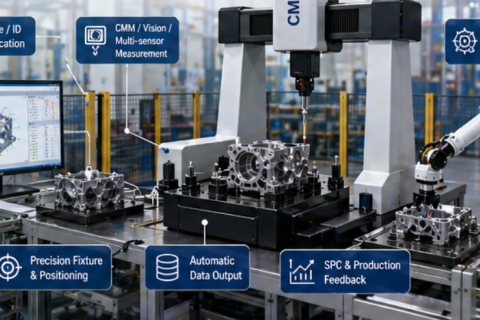
Building an automated dimensional inspection system for manufacturing lines requires a complete evaluation of inspection requirements, measurement technology, fixtures, loading method, software workflow, data output, environment, safety, and validation process. A successful system should not only measure parts accurately, but also provide fast feedback to production, reduce operator variation, improve process control, and support traceable quality data. By preparing drawings, tolerance requirements, production rhythm, line layout, and data integration needs before quotation, buyers can build a more practical and reliable automated inspection solution.
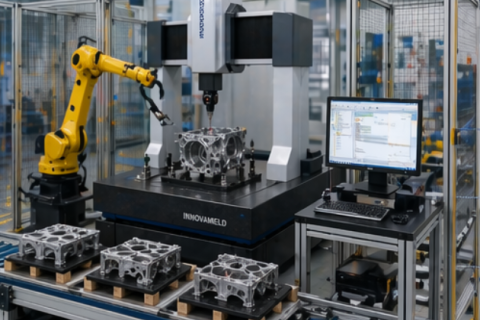
Manual, CNC, and automated CMM systems serve different inspection needs. A manual CMM is flexible and suitable for low-volume or changing inspection tasks. A CNC CMM is better for repeatable measurement, batch inspection, and standardized quality reports. An automated CMM system is designed for high-volume production, automatic handling, and data-connected quality control. Buyers should evaluate part variety, inspection volume, tolerance requirements, operator skill, software needs, reporting requirements, and future automation plans before selecting the right system.