


Shot Peening and Sandblasting Key Differences in Application
2026-02-09 12:22Fundamental Objective: Enhancement vs. Preparation
The most critical distinction between shot peening and sandblasting lies in their core objective. Shot peening is a cold-working process designed to enhance the fatigue life and strength of a metal component. It achieves this by bombarding the surface with spherical media to induce compressive residual stresses, which inhibit crack initiation and propagation. In contrast, sandblasting (or abrasive blasting) is primarily a surface preparation technique. Its goal is to clean or roughen a surface by using abrasive materials to remove contaminants like rust, scale, or old paint. While both processes involve propelling media at a surface, shot peening is a precise metallurgical treatment aimed at improving mechanical properties, whereas sandblasting is a mechanical cleaning or texturing operation. HUACELIANGYI's CNC shot peening machines are engineered for this precise, controlled enhancement, making them unsuitable for simple cleaning tasks.
Media, Equipment, and Process Control: Precision vs. Versatility
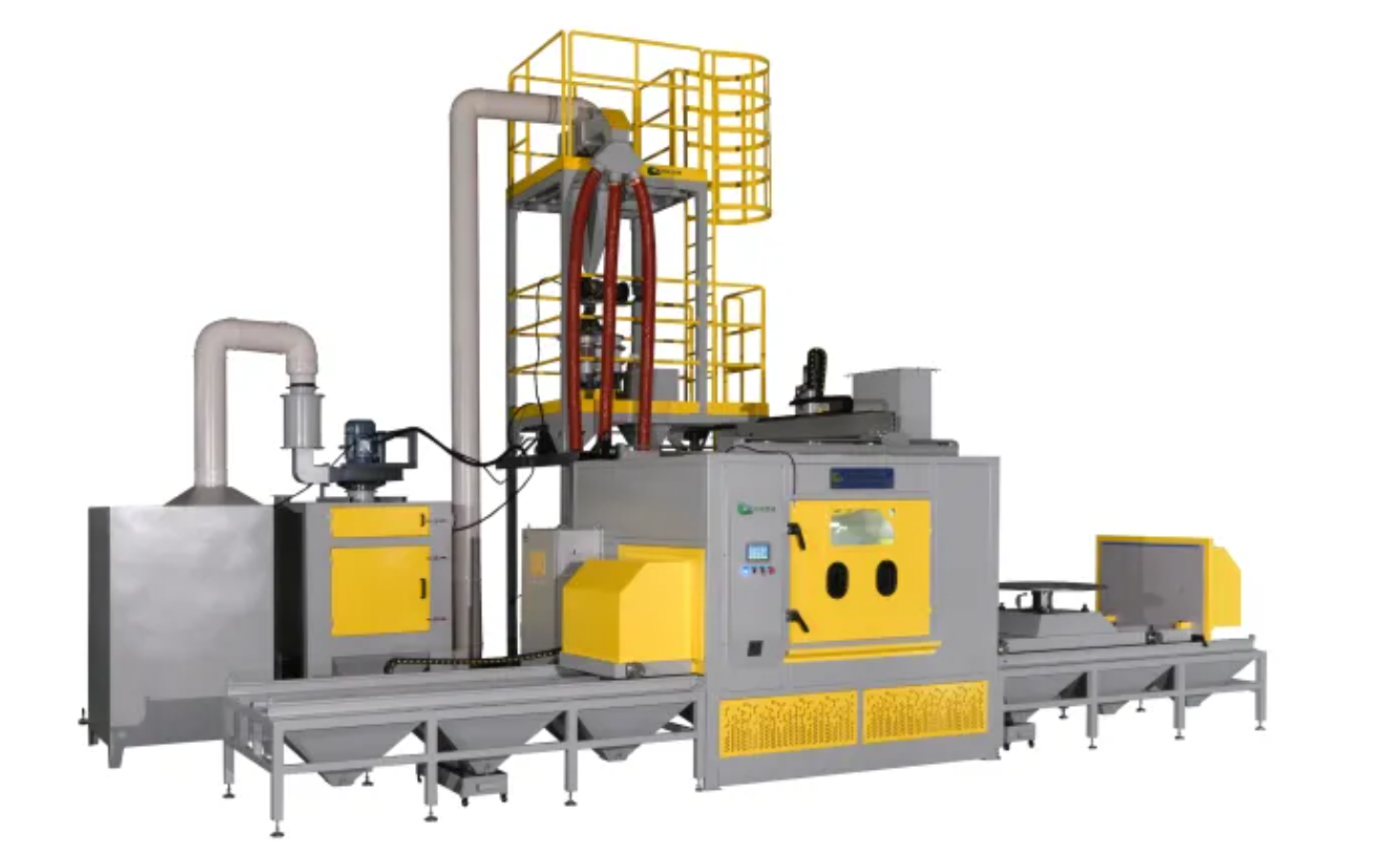
The differences in objective directly dictate the choices in media, equipment, and level of control. Shot peening strictly uses spherical media, such as cast steel shot, ceramic beads, or glass beads, to ensure a uniform impact that plastically deforms the surface without cutting it. The process is highly controlled, with key parameters like Almen intensity and coverage meticulously monitored and documented to meet aerospace and automotive standards (e.g., AMS 2430). HUACELIANGYI's equipment exemplifies this, featuring advanced controls for repeatability. Sandblasting, however, employs irregular, sharp-edged media like sand, slag, or garnet, which are designed to cut and abrade the surface. The equipment is generally simpler, focusing on power and efficiency rather than precise parameter control, as the goal is material removal, not inducing a specific stress state.
Outcome and Industry Applications: Performance Critical vs. Cosmetic/Adhesive
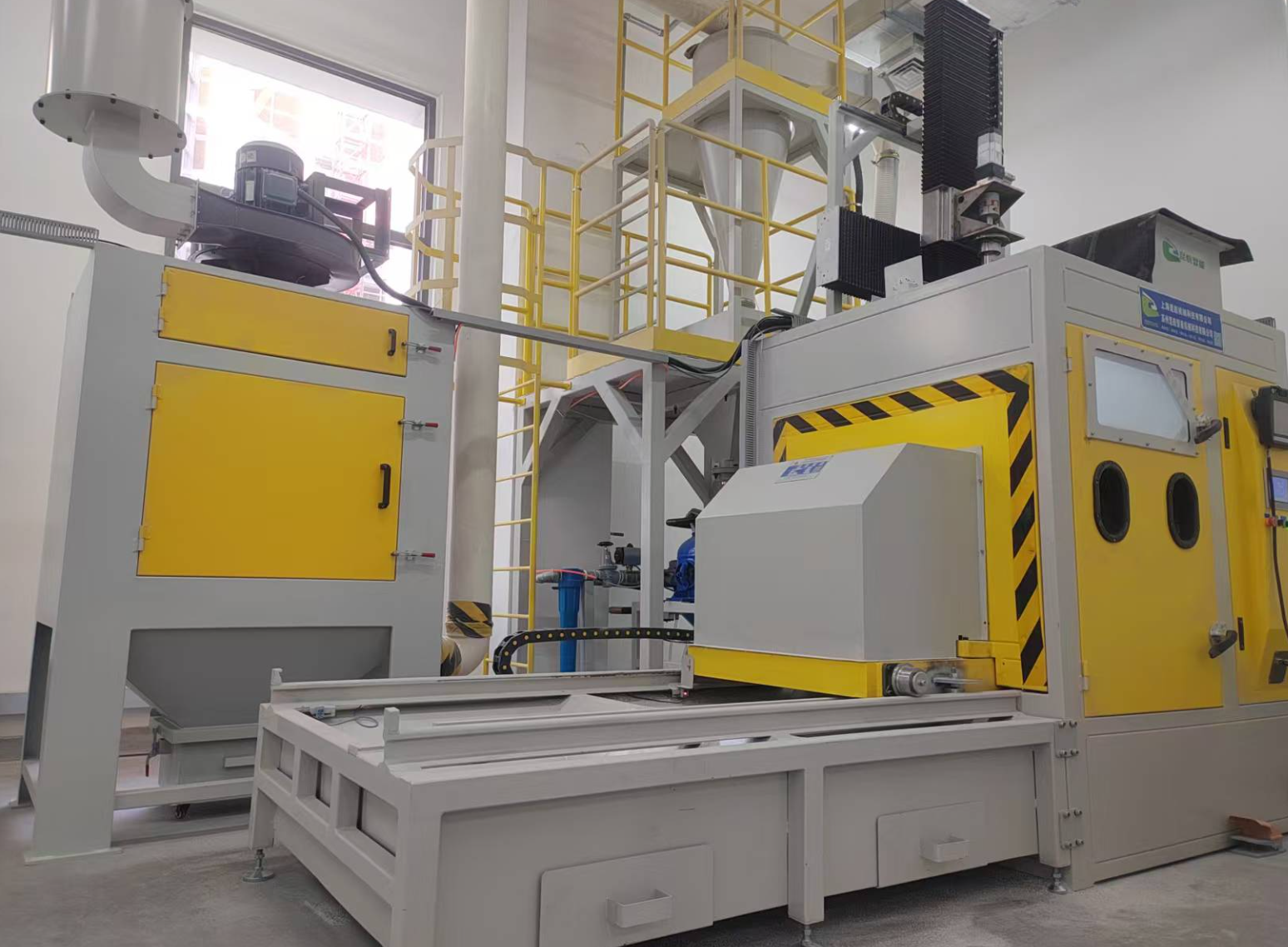
The end results and typical applications of these processes are worlds apart. The outcome of shot peening is a measurably improved component with increased fatigue strength and resistance to stress corrosion cracking. It is essential for safety-critical components like turbine blades, landing gear, and engine parts in aerospace and automotive industries. The surface finish is matte but consistent. Sandblasting results in a clean or textured surface, ideal for preparing a substrate for painting, coating, or bonding. Its applications are vast, from cleaning ship hulls to etching concrete. While vapor honing is a finer version of blasting for delicate parts, it still lacks the metallurgical intent of peening. Choosing the wrong process can be catastrophic; using sandblasting on a highly stressed aerospace component would damage it by introducing micro-cracks, completely negating its fatigue life.
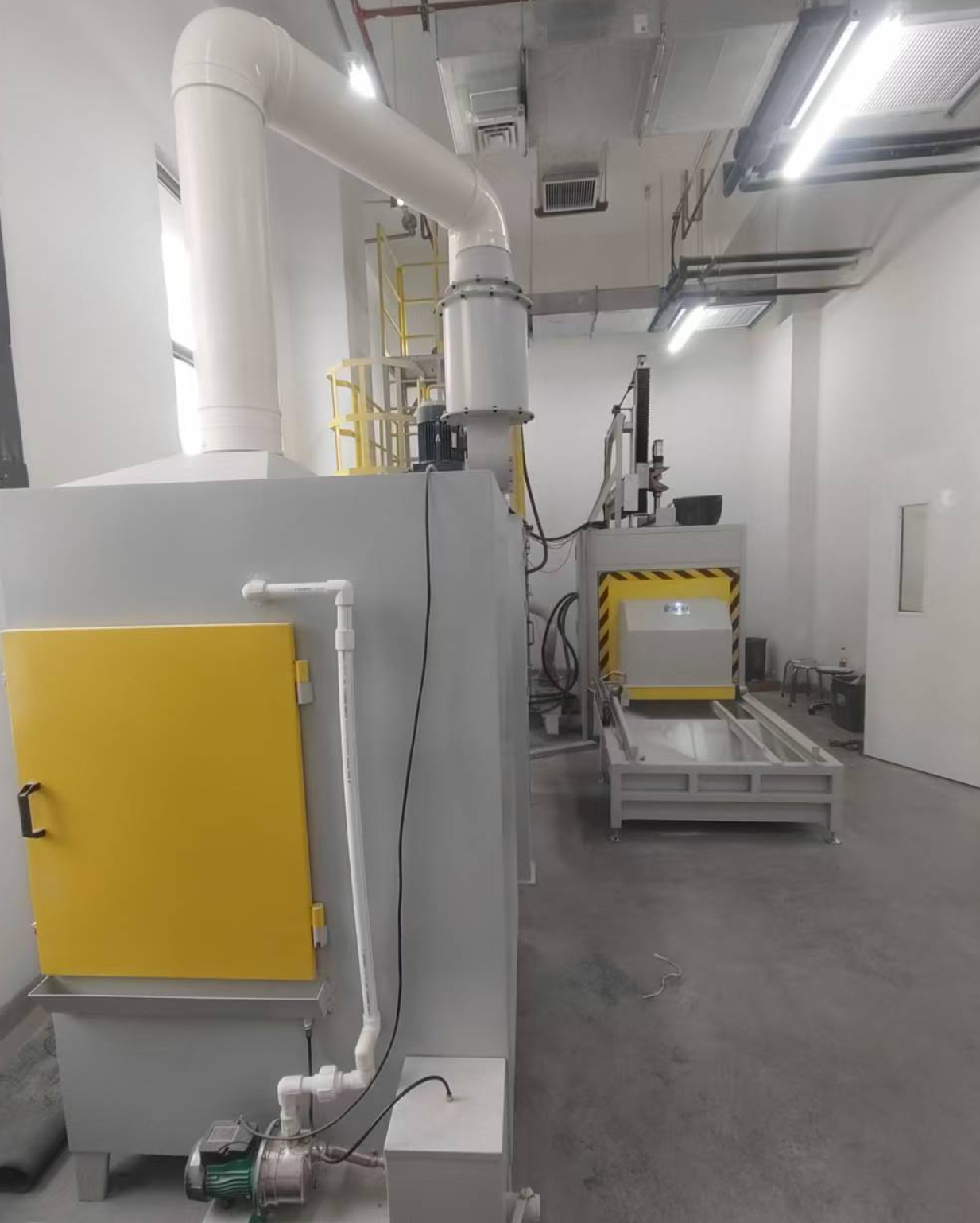
In summary, shot peening and sandblasting are fundamentally different processes. Shot peening is a precise, metallurgically-focused treatment that enhances the intrinsic properties and longevity of metal parts by creating beneficial compressive stresses. Sandblasting is a versatile surface preparation method for cleaning, stripping, or texturing. HUACELIANGYI's expertise lies in providing advanced CNC shot peening solutions for manufacturers who require guaranteed performance enhancements for their high-value components. Understanding this distinction is crucial for selecting the right technology to meet specific quality, reliability, and safety standards.