

In-Line Measurement Solutions for Automotive Body Shops
2026-02-11 12:33In-Line Measurement Solutions for Automotive Body Shops
The Paradigm Shift from Offline Audit to In-Line Process Control
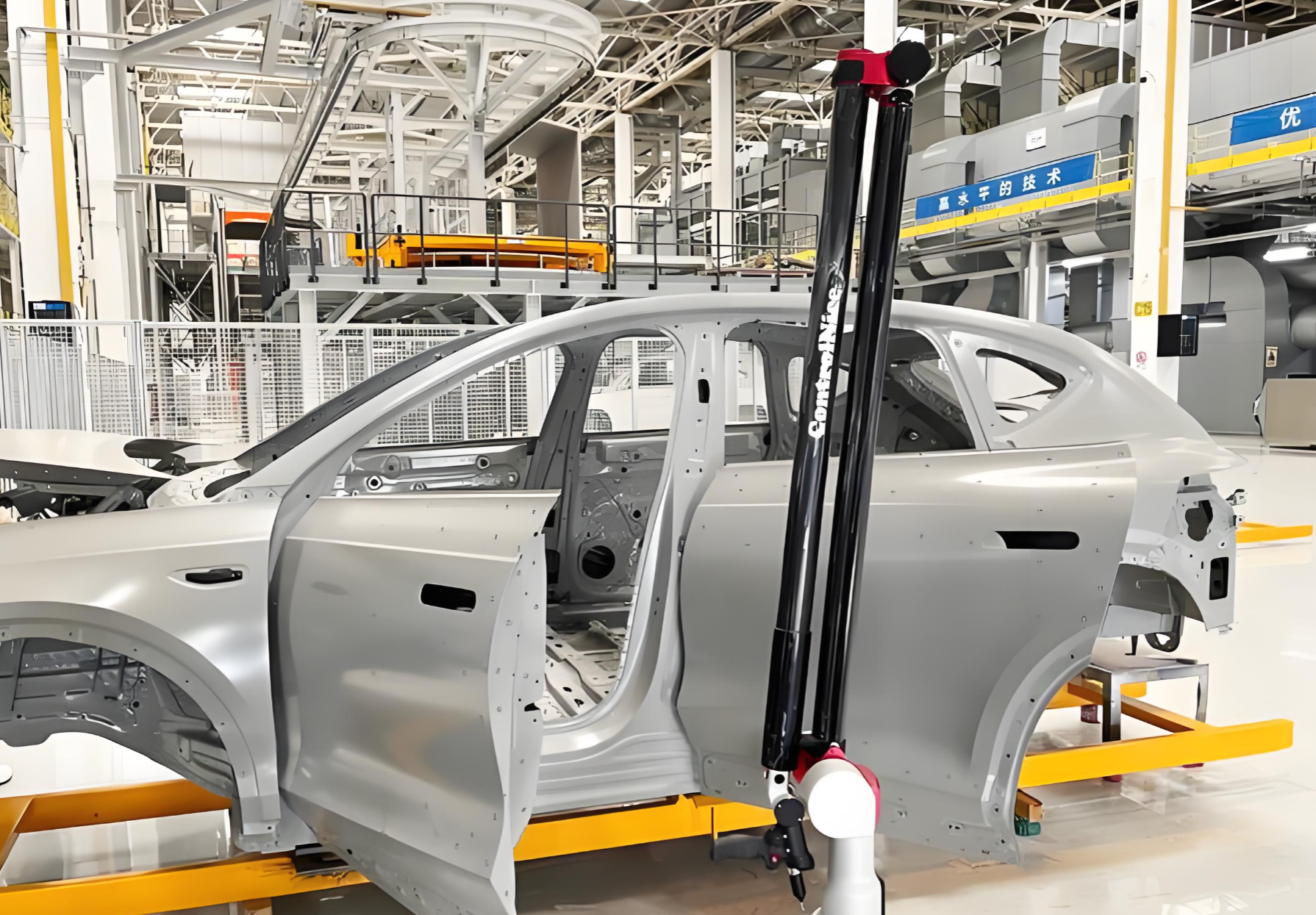
Traditional quality control in automotive body shops often relied on offline coordinate measuring machines (CMMs), where a few sample parts were periodically removed from the production line and taken to a temperature-controlled metrology lab for measurement. While accurate, this method introduces significant time delays, making it a form of historical data recording rather than real-time process control. Any deviation discovered hours or days later can lead to massive scrap costs and production downtime. In-line measurement solutions represent a fundamental shift. By integrating robotic 3D metrology systems directly into the production weld line, these systems perform 100% inspection of Body-in-White (BIW) assemblies in real-time, often within the cycle time of the production station. This allows for immediate feedback and corrective actions, transforming quality assurance from a reactive audit to a proactive, preventive control mechanism. HUACELIANGYI's in-line systems are designed to withstand the harsh environment of a production floor, providing continuous, high-frequency data that is essential for modern automotive manufacturing excellence.
Core Technologies: Robotic Automation, Advanced Sensors, and Real-Time Data Integration
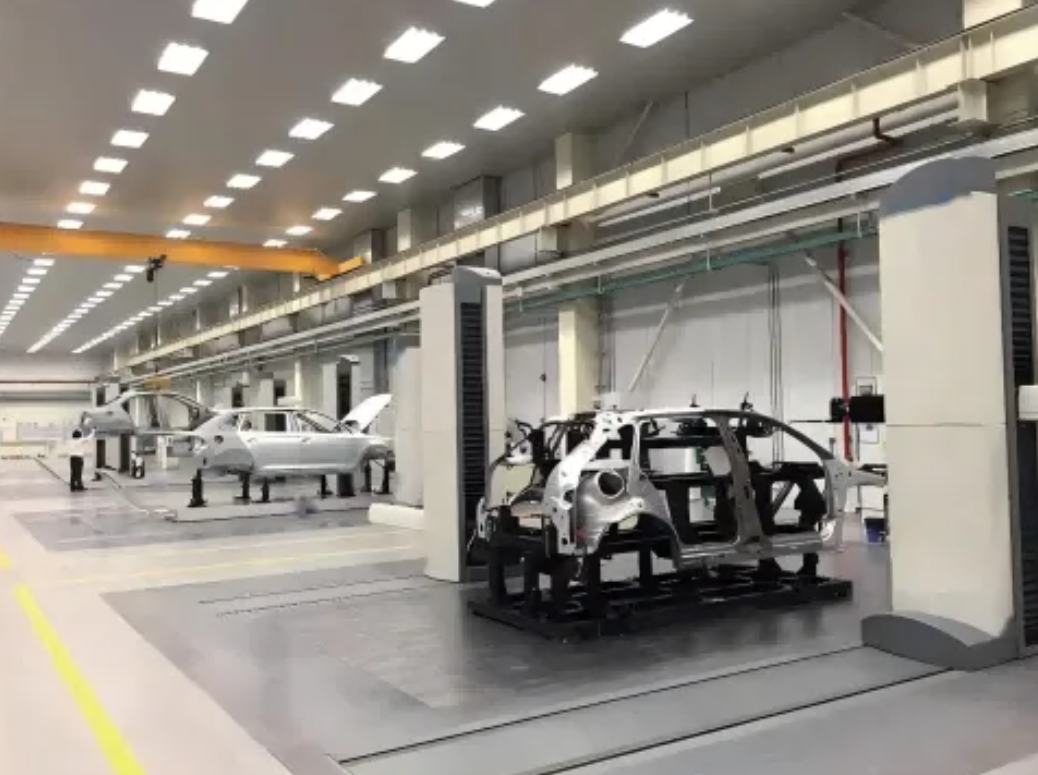
The effectiveness of an in-line measurement system hinges on the seamless integration of three core technological components: robust automation, precision sensors, and intelligent software. HUACELIANGYI utilizes high-precision robots as the mobile platform for carrying various optical measurement sensors, such as laser scanners and white light scanners, to predefined measurement points. These non-contact sensors capture millions of data points on the vehicle body structure within seconds, generating a comprehensive 3D point cloud. The true power, however, lies in the sophisticated measurement software that compares this captured data against the nominal CAD model in real-time. The system instantly calculates deviations and generates Statistical Process Control (SPC) charts. This real-time data is not isolated; it can be integrated into the factory's Manufacturing Execution System (MES), providing actionable insights to operators and engineers on the shop floor, enabling them to adjust welding robots or fixture settings immediately to correct drifts before they become defects.
Tangible Benefits: Zero Defects, Reduced Costs, and Enhanced Operational Efficiency
The implementation of a sophisticated in-line measurement system delivers direct and substantial returns on investment across the automotive production line. The most significant benefit is the move towards a "Zero-Defect" manufacturing philosophy. By identifying dimensional variations in real-time, manufacturers can prevent the production of out-of-specification bodies, drastically reducing scrap and rework costs. This proactive approach also minimizes unplanned production stoppages, leading to higher Overall Equipment Effectiveness (OEE). Furthermore, the vast amount of data collected enables predictive analytics, allowing for preventative maintenance of tooling and fixtures before they fail. For HUACELIANGYI's clients, this translates into stronger compliance with stringent automotive quality standards, improved product quality, and accelerated time-to-market for new vehicle models by streamlining the production validation process.
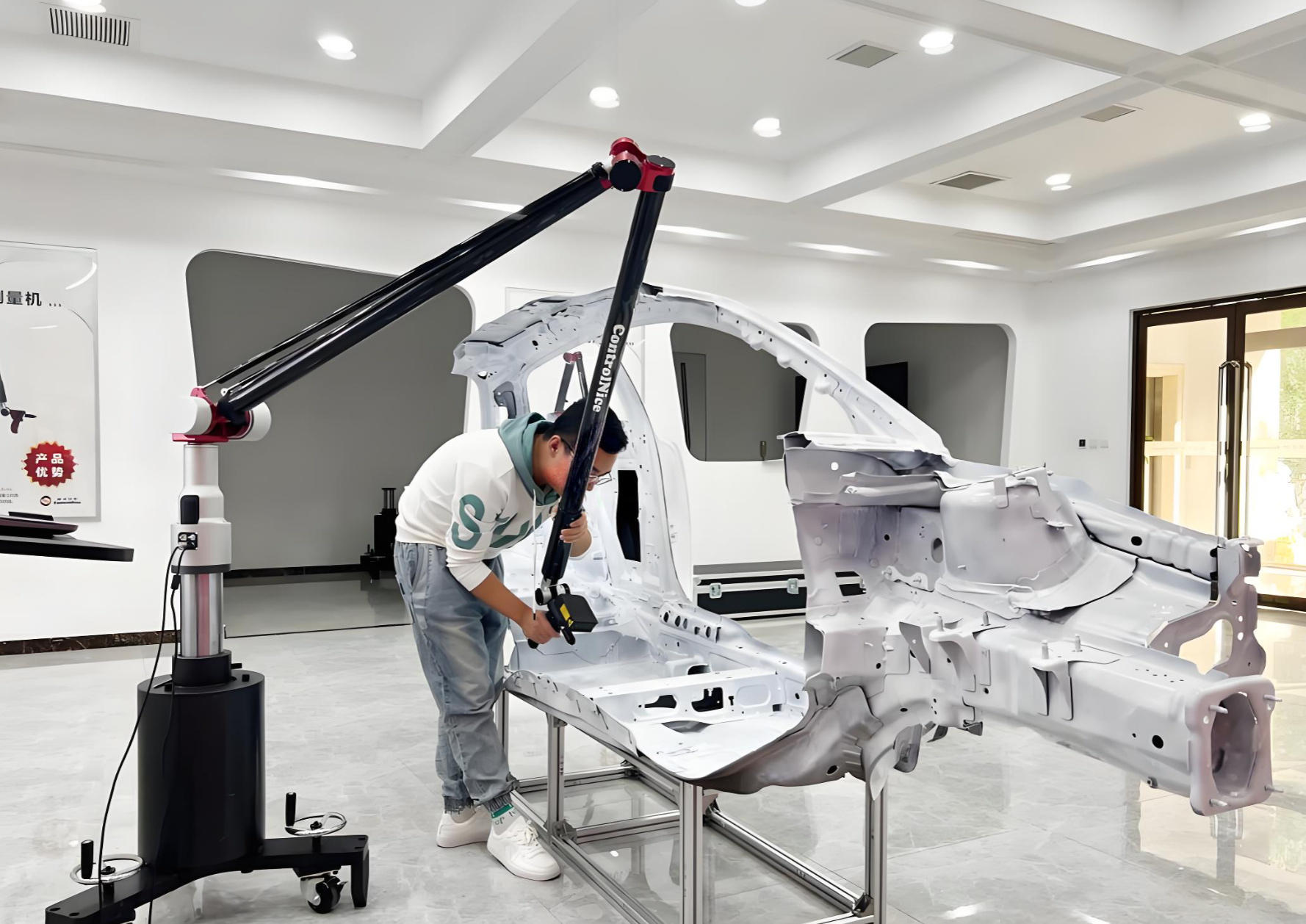
In conclusion, in-line measurement solutions are no longer a luxury but a necessity for competitive automotive body shops. They represent the convergence of precision metrology, robotic automation, and data analytics to create a responsive and intelligent manufacturing ecosystem. HUACELIANGYI's expertise in delivering tailored in-line systems empowers manufacturers to transition from detecting defects to preventing them entirely. This ensures the highest levels of dimensional integrity, operational efficiency, and cost-effectiveness, solidifying a manufacturer's position at the forefront of the automotive industry.