


CNC Shot Peening Systems: Enhancing Component Durability
2026-03-04 10:43CNC Shot Peening Systems: Enhancing Component Durability
The Science of Surface Strengthening
CNC Shot Peening is a cold working process that involves bombarding a component's surface with small spherical media (shot) at high velocity. This controlled impingement induces a layer of compressive residual stress on the surface, which is the key to enhancing fatigue life. Unlike simple cleaning, this process plastically deforms the surface, creating a work-hardened layer that resists crack initiation and propagation. The depth and magnitude of this compressive layer are critical parameters that determine the component's ability to withstand cyclic loading, making it essential for high-stress applications in aerospace, automotive, and energy sectors. The transformation of residual tensile stress into compressive stress is the fundamental mechanism that significantly extends the service life of critical parts.
Precision Control with CNC Technology
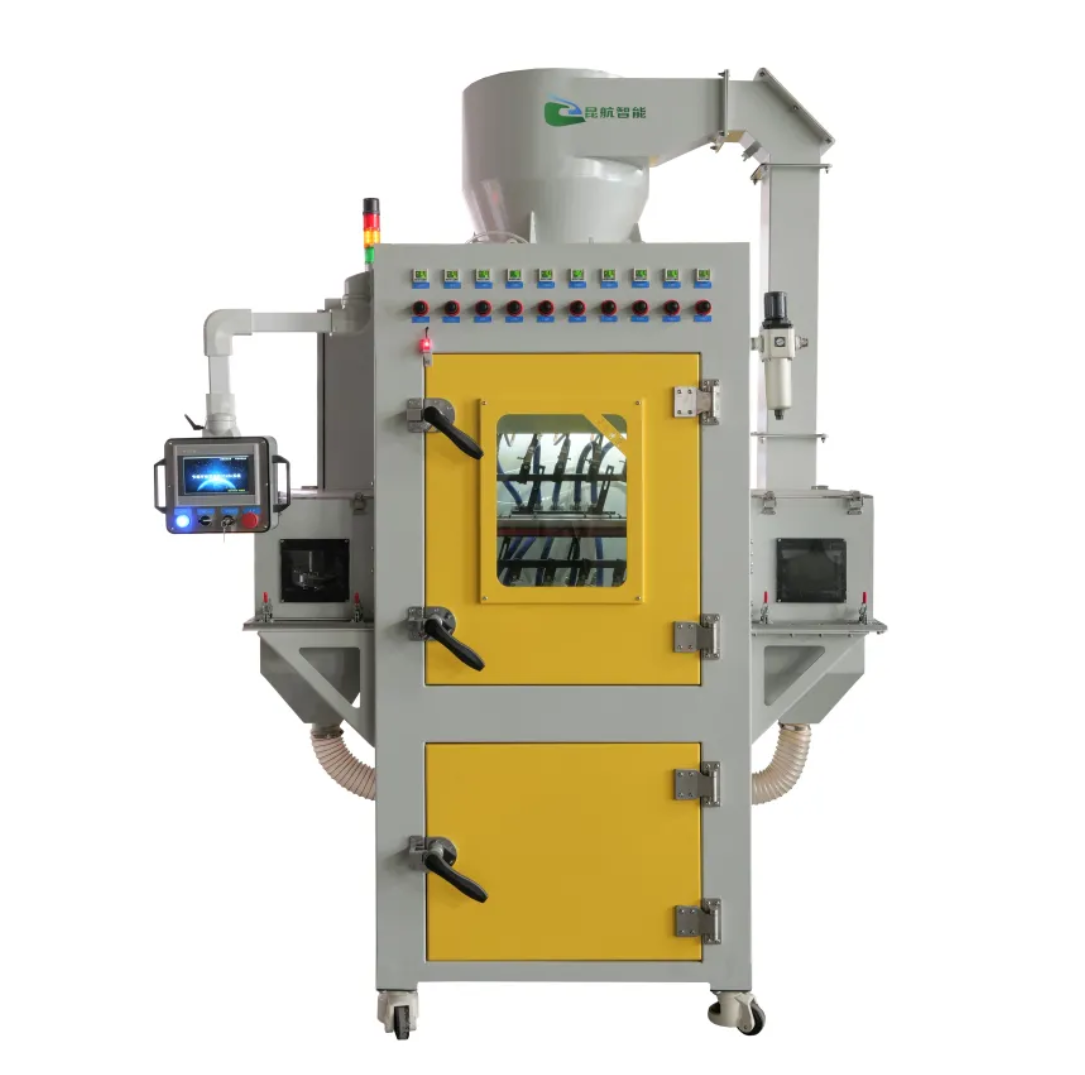
The integration of Computer Numerical Control (CNC) elevates shot peening from a manual art to a precise science. CNC systems allow for programmable control over nozzle movement, shot velocity, and exposure time, ensuring uniform coverage and consistent intensity across complex geometries. This level of automation eliminates human error and enables the treatment of intricate parts like turbine blades, gears, and medical implants with repeatable accuracy. By precisely mapping the toolpath, CNC systems can target specific stress concentration areas, such as fillets and notches, providing localized reinforcement where it is most needed. The ability to store and recall optimal parameters for different part numbers ensures that every batch meets the stringent quality standards required by modern manufacturing.
Real-World Applications and Performance Metrics
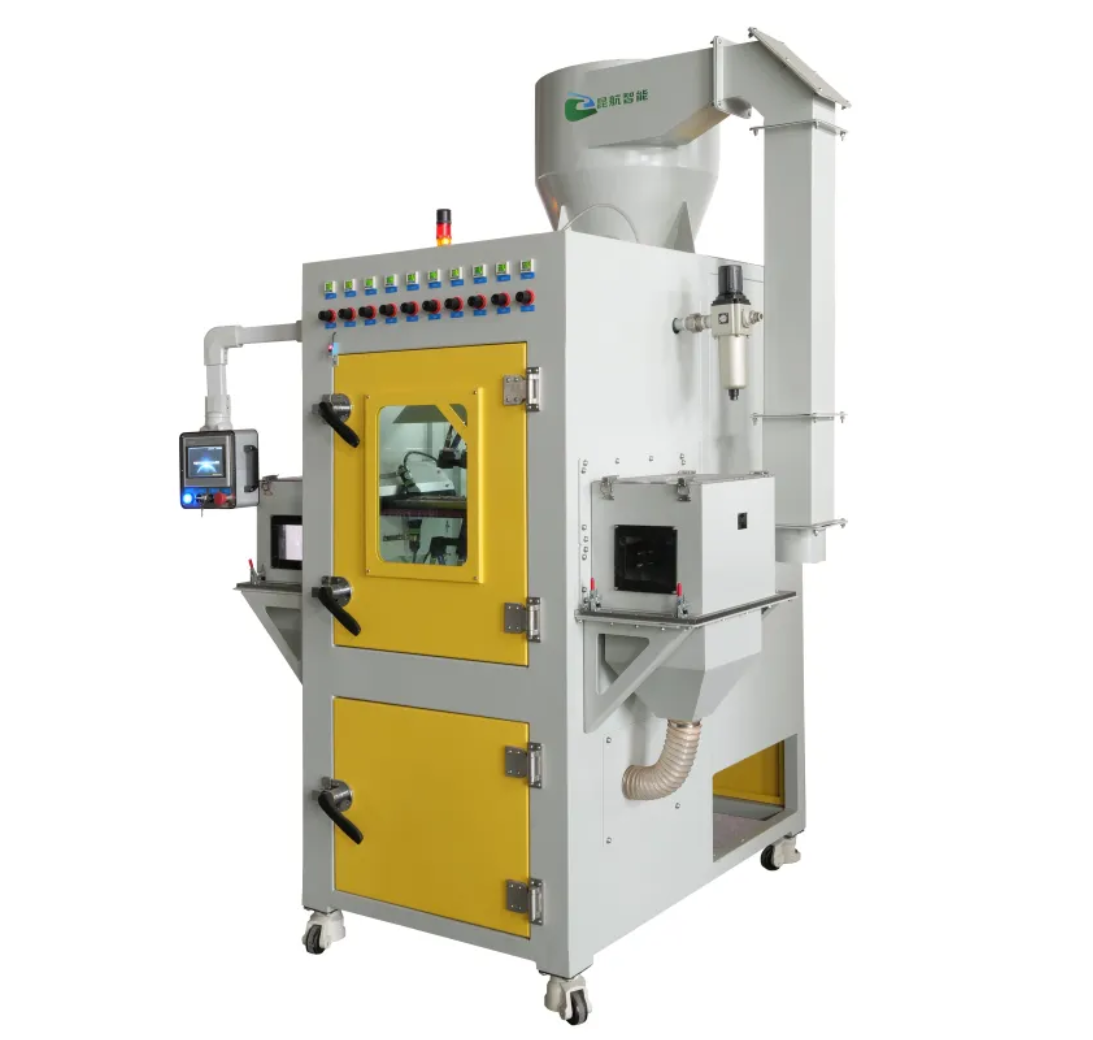
In practical terms, CNC Shot Peening Systems are indispensable for industries demanding high reliability. In the automotive sector, they are used to strengthen transmission gears and suspension springs, reducing failure rates under dynamic loads. In aerospace, they are critical for treating landing gear components and engine parts, where material failure is not an option. The performance is typically validated using Almen strips to measure arc height (intensity) and visual or automated inspection to verify coverage. The result is a demonstrable increase in fatigue strength—often by 200% or more—and improved resistance to stress corrosion cracking. This translates directly into longer maintenance intervals, reduced warranty claims, and enhanced safety for end-users.
Related product and article resources
For procurement comparison and technical evaluation, readers can continue with these related product pages and supporting articles.
- Products
- Product catalog
- Contact the sales team
- Contact us
- 100% Inline Automatic Inspection for Automotive Body-in-White: Technology Breakdown
- 5-Axis Machining Centers: Capabilities for Complex Geometry Manufacturing
- 5 Key Features of High-End CMMs
- A Look Inside a Fully Automated Chassis Arc Welding Production Line
In conclusion, CNC Shot Peening Systems are not merely surface treatment equipment; they are engineering tools that fundamentally alter a material's response to stress. By creating a protective layer of compressive stress, they fortify components against the primary cause of mechanical failure—fatigue. The precision of CNC technology ensures that this protection is applied consistently and effectively, making it a cornerstone of modern durability engineering. For manufacturers seeking to push the limits of performance and longevity, investing in advanced shot peening capabilities is a strategic imperative.