


CMM vs. Optical Scanners: Which is Better for Dimensional Inspection?
2026-02-13 13:12CMM vs. Optical Scanners: Which is Better for Dimensional Inspection?
Defining the Technologies: Tactile Precision vs. Optical Speed
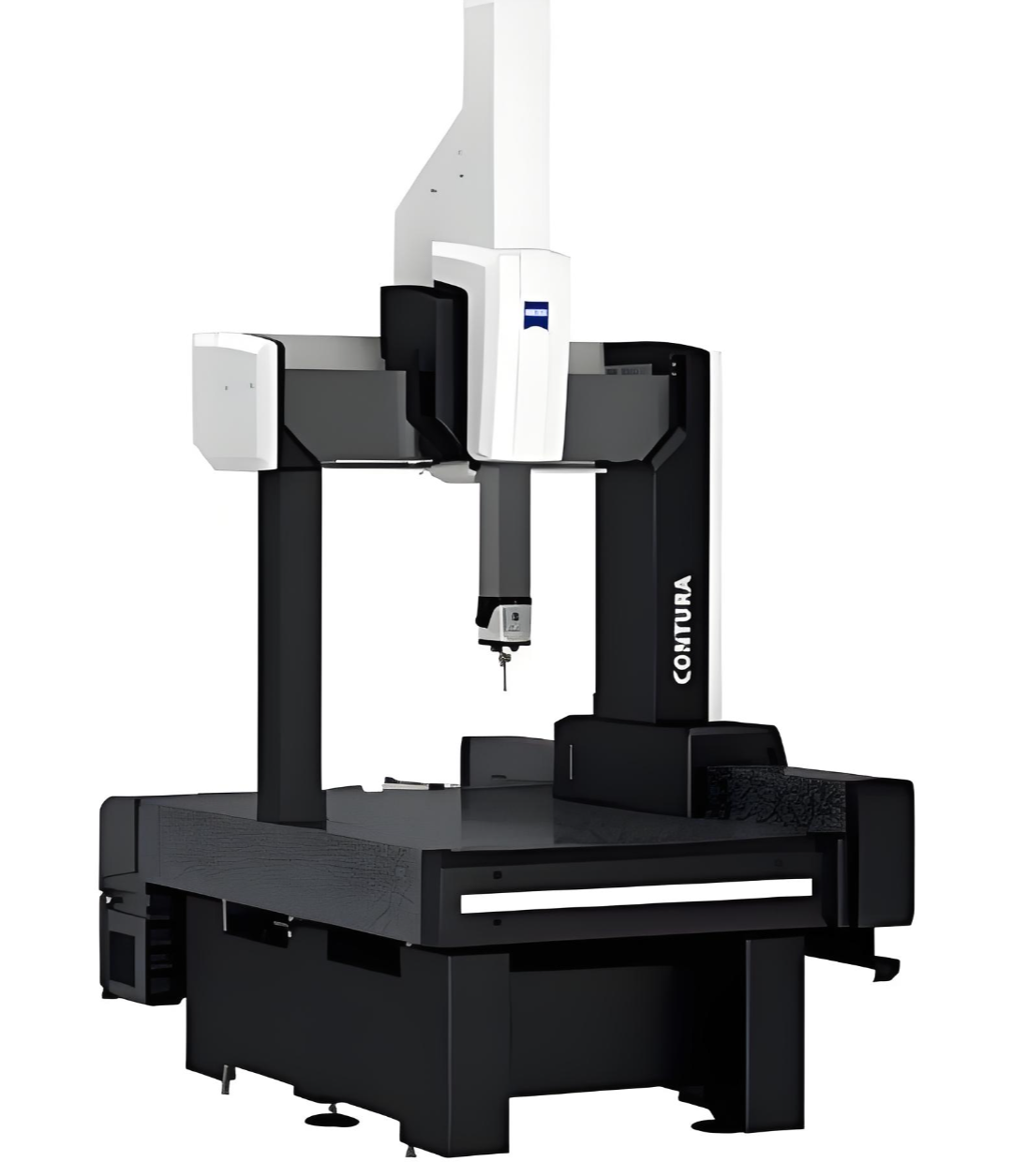
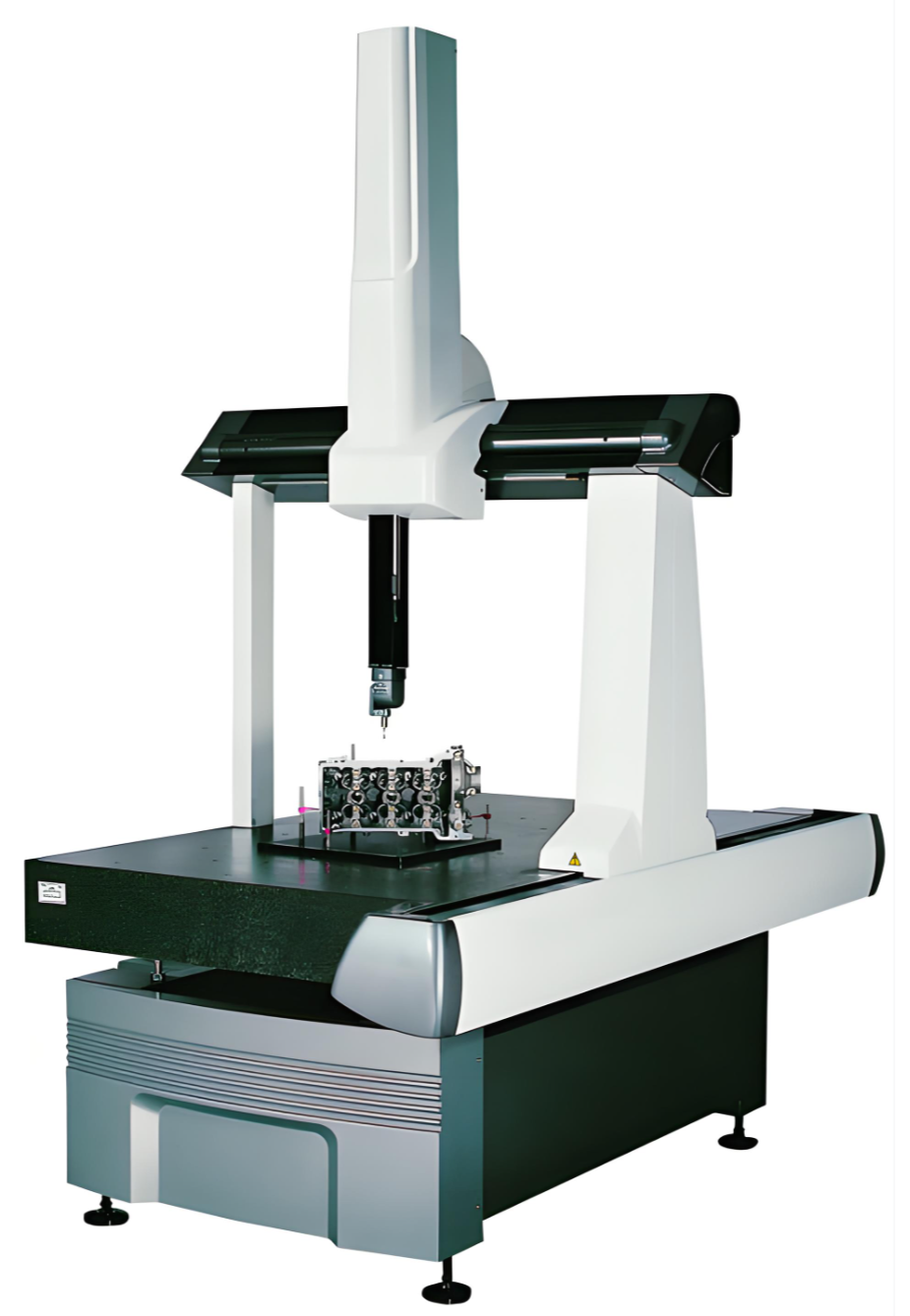
The choice between a Coordinate Measuring Machine (CMM) and an optical scanner is not about which technology is universally superior, but which is optimal for a specific application. A CMM, particularly a high-precision model from HUACELIANGYI, is a contact-based system that uses a physical touch-trigger probe or a scanning probe to measure discrete points on a part's surface with exceptional accuracy. This method is unparalleled for measuring critical geometric features like holes, slots, and planes, providing traceable and auditable data that is the gold standard in industries like aerospace and automotive for dimensional inspection. In contrast, optical 3D scanners (including laser scanners and white light scanners) are non-contact systems that project light onto an object and use cameras to capture its surface geometry. They excel at rapidly capturing millions of data points to create a dense point cloud, perfectly suited for capturing complex free-form surfaces, conducting reverse engineering, and performing comprehensive surface analysis.
Comparative Strengths and Limitations: A Guide to Application-Based Selection
Understanding the inherent strengths and limitations of each technology is key to making an informed decision. CMMs shine where micron-level accuracy and reliability are paramount. They are less susceptible to variations in surface finish, color, or transparency, making them robust for measuring a wide range of materials. However, their point-by-point measurement process can be slower for complex surfaces, and the physical contact requires careful consideration to avoid damaging delicate parts. Optical scanners offer immense speed and complete non-contact measurement, ideal for fragile, soft, or highly detailed objects. Their primary limitation lies in their sensitivity to surface conditions; shiny, transparent, or dark surfaces can pose challenges and may require a preparatory coating. Additionally, while excellent for surface mapping, they are generally less accurate than CMMs for measuring deep, hidden, or internal features that the line-of-sight cannot reach. This is where HUACELIANGYI's multi-sensor CMMs become invaluable, integrating both tactile and optical sensors to overcome the limitations of either technology used alone.
The Synergistic Solution: The Rise of Multi-Sensor CMMs
The question of "CMM vs. optical scanner" is becoming increasingly obsolete with the advancement of multi-sensor measurement technology. Instead of choosing one, manufacturers can now leverage the combined power of both within a single system. HUACELIANGYI's advanced CMMs can be equipped with both a touch probe and an optical scanner head. This allows an inspector to first use the tactile probe to measure critical internal features and datums with the highest precision, and then seamlessly switch to the optical scanner to rapidly capture the entire surface contour of the part. The data from both sensors is fused within the metrology software, creating a comprehensive and unambiguous digital record of the part. This hybrid approach eliminates the need for multiple setups on different machines, reduces overall inspection time, and provides a complete picture of part quality that neither technology could achieve alone. It is the ultimate solution for complex components common in automotive design, aerospace engineering, and medical device manufacturing.
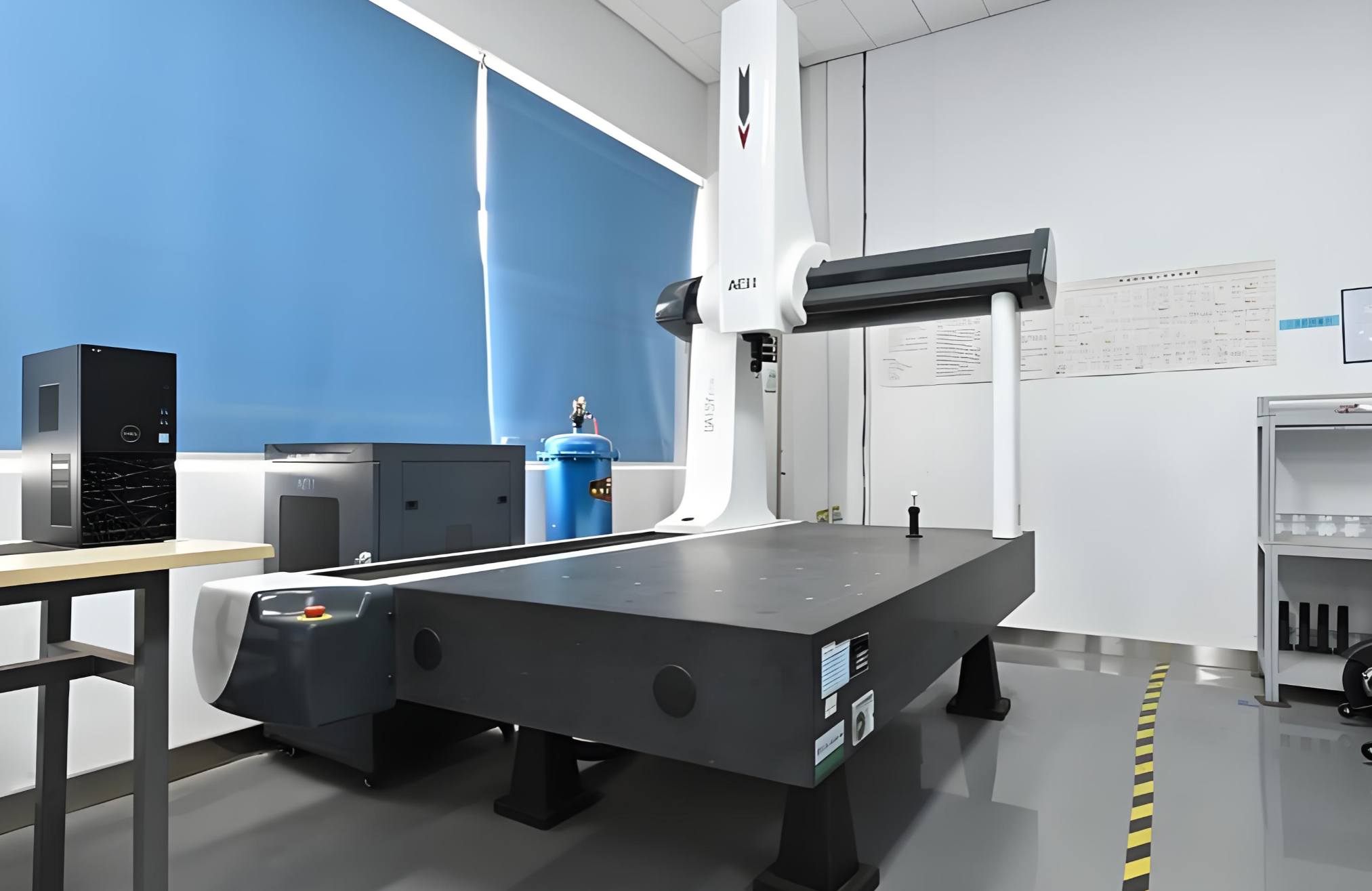
In conclusion, the debate between CMMs and optical scanners is not about finding a winner but about selecting the right tool for the task. For hard, well-defined geometric features requiring the utmost accuracy, a CMM is unmatched. For rapid, full-field inspection of complex surfaces, an optical scanner is superior. However, the most powerful and forward-looking approach is to integrate both technologies. HUACELIANGYI's commitment to multi-sensor CMM innovation provides manufacturers with this synergistic capability, ensuring that dimensional inspection is not constrained by technological limitations but is empowered by a combination of precision, speed, and comprehensive data analysis.